 listicle
Best Places to Stay on Skye: Luxury Accommodation Guide
Table of Contents
- Best Places to Stay on Skye: A Curated Selection
- Luxury Lodges and Exclusive Retreats
- Award-Winning Hotels and Boutique Properties
- Where to Stay in Skye by Location and Purpose
- How Many Days to Spend on the Isle of Skye
- Best Area to Stay in Skye for Tourists
- Practical Planning for Your Skye Stay
- Conclusion
- Frequently Asked Questions
Last Updated: August 25, 2026
Best Places to Stay on Skye: A Curated Selection
Finding the right accommodation on the Isle of Skye shapes everything that follows. The best places combine genuine hospitality with strategic location and authentic local knowledge. This guide from Skye Lodge examines premium accommodation options across the island, covering luxury lodges, award-winning hotels, and self-catering cottages, prioritizing properties that understand Skye's unique demands: unpredictable weather, variable restaurant availability, distances between attractions, and knowledgeable hosts who guide you toward both famous landmarks and quieter corners.
What Makes Premium Accommodation on Skye Stand Out
Luxury accommodation on Skye differs fundamentally from standard hotel experiences. The island's remote geography and limited infrastructure mean quality hospitality demands owners and staff who genuinely understand the landscape, seasonal rhythms, and practical realities of island travel.
The best properties share three defining characteristics. First, they're managed by people with deep local roots offering guidance no guidebook provides: which restaurants to book weeks in advance, which roads to avoid during poor weather, where sunrise and sunset views reward the drive. Second, they acknowledge that adding 20 minutes to every hour of estimated journey time is standard on Highland roads. Third, they curate amenities around what actually matters: reliable WiFi for digital nomads, gourmet breakfasts featuring local ingredients, proximity to both remote wilderness and accessible attractions.
Luxury Lodges and Exclusive Retreats
Skye Lodge Dunvegan: Personalized Hospitality on the Westerly Coast
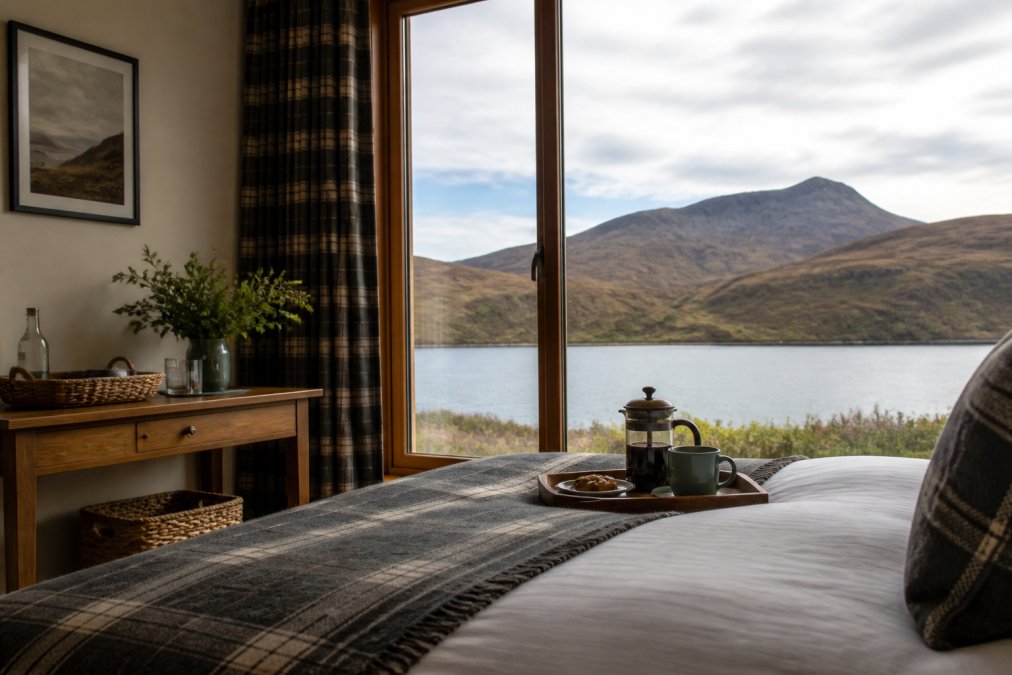
Skye Lodge is built around slow travel and personalized service from owners Claire and Douglas, who live on the property. The lodge accommodates 4-10 persons exclusively, meaning you're never competing with tour groups for attention.
The property delivers luxury without pretension: handmade beds in every room, ensuite bathrooms, and gourmet breakfasts using premium locally sourced ingredients. The real differentiator is location, the westerly coastline with loch views sits 15 minutes from The Stein Inn (the island's oldest pub), Edinbane Lodge, and The Three Chimneys, accessible without the hour-plus drives required from more remote locations.
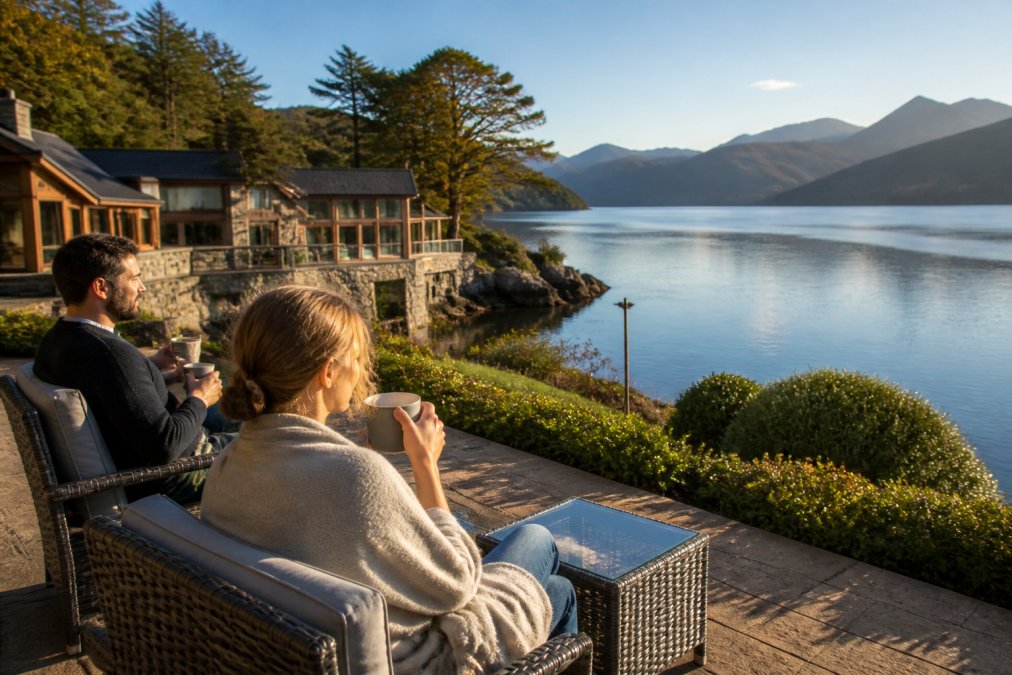
The lodge emphasizes itinerary planning. Rather than handing guests a booklet, the team actively guides visitors through the island's geography and logistics. They recommend booking restaurants in advance, critical advice, since dining availability on Skye is genuinely constrained during peak season. They advocate for a three-night, five-day minimum stay as genuine belief that the island deserves time to reveal itself properly. The lodge operates year-round, making it suitable for shoulder-season and off-season travel.
Kinloch Lodge Hotel and Restaurant: Historic Lochside Elegance
Kinloch Lodge is a family-run hotel featured in Condé Nast and The Sunday Times rankings of the world's best hotels. Situated on Loch Na Dal in the Sleat Peninsula, it combines historic character with contemporary luxury. The award-winning restaurant focuses on seasonal and local produce. The hotel includes a treatment room offering massages, facials, and reflexology. Rooms are individually designed with private bathrooms and L'Occitane toiletries.
Kinloch Lodge positions itself at the premium end. The Sleat Peninsula location is remote enough to feel like genuine escape, but accessing northern attractions requires substantial driving, making it ideal for 4-5 day stays centred on the southern island.
Mint Croft: Secluded Self-Catering Luxury
For couples or small groups seeking complete privacy, Mint Croft offers luxury self-catering cottages in remote Geary, on Loch Snizort's edge (visitscotland.com). Named one of Britain's Best Honeymoon Hideaways by British Vogue, the property consists of two exquisite restored historic buildings.
The self-catering model appeals to guests controlling their dining schedule and preparing meals using local ingredients. Located ten minutes' drive from Skye's only Michelin-starred restaurant, it allows flexibility between cooking in-house and fine dining. The remote village setting is both appeal and constraint, you're genuinely isolated, surrounded by wilderness and water views, but accessing attractions across the island requires planning and driving.
Award-Winning Hotels and Boutique Properties
Duisdale House Hotel: Fine Dining on the Sleat Peninsula
Duisdale House Hotel combines fine dining with intimate accommodation on the Sleat Peninsula. The property features 22 individually styled bedrooms, an award-winning restaurant with two AA Rosettes, and a stylish dog-friendly Chart Room bar stocked with local gins and whiskies.
The restaurant is the centrepiece, with two AA Rosettes representing significant culinary achievement. The kitchen emphasizes seasonal ingredients and technical skill. Duisdale positions itself as accessible luxury. The dog-friendly policy, Chart Room bar, and cosy lounge with log fire create a welcoming atmosphere.
Toravaig House Hotel: Intimate Hebridean Hideaway
Toravaig House Hotel operates at the intersection of intimacy and quality. Located on the Sleat Peninsula, the property features individually designed bedrooms with Harris Tweed furnishings, a cosy lounge with real log fire and fine malt whiskies, and award-winning innovative cuisine.
The design philosophy emphasises comfort over showiness. Spa-like bathrooms with high-pressure showers appear in many rooms. Toravaig offers boutique quality. Guest feedback consistently highlights exceptional breakfast and friendly staff, though some note that rooms can feel small, a trade-off for the intimate atmosphere.
Cuillin Hills Hotel: Mountain Views and Whisky Heritage
Cuillin Hills Hotel sits in 15 acres of private grounds with spectacular views over Portree Bay to the Cuillin Mountain range. The property features an award-winning restaurant and a Malt Embassy, a whisky bar and tasting room, with an extensive collection of Scottish whiskies.
Rooms offer warm, modern décor, fresh fruit, mineral water, and smart TVs. Free breakfast and self-parking are included. The proximity to Portree harbour (0.5 miles) allows easy access to boat trips and the island's main town without being directly in the bustle. Cuillin Hills appeals to guests seeking convenience, views, and whisky-focused hospitality.
Where to Stay in Skye by Location and Purpose
Portree: The Island's Vibrant Hub
Portree is the island's largest settlement and primary visitor hub. Staying here positions you within walking distance of restaurants, shops, galleries, and visitor services. For first-time visitors or guests with limited mobility, Portree offers practical advantages. Restaurant availability is highest here; you're not dependent on booking weeks in advance. Grocery shopping, petrol, and medical services are accessible.
The trade-off is that Portree feels like a town rather than a retreat. You're surrounded by other visitors, and the romantic isolation that attracts many to Skye diminishes. Properties like Cuillin Hills Hotel balance this, offering proximity to services without being directly in the town centre. Staying in Portree works well for 2-3 night stays prioritizing convenience and minimizing driving.
Sleat Peninsula: Remote Coastal Tranquility
The Sleat Peninsula, in the south, offers remote coastal settings with minimal crowds. Properties like Kinloch Lodge, Duisdale House, and Toravaig House cluster here. The peninsula is genuinely isolated, driving to Portree takes 45 minutes; reaching the Trotternish Peninsula or Dunvegan takes over an hour. This isolation is the appeal for some guests and a significant constraint for others.
The Sleat Peninsula itself is beautiful, with Armadale Castle, the Clan Donald Centre, and various walking routes providing activities without requiring long drives. For 4-5 day stays centred on the southern island, this location works exceptionally well.
Trotternish Peninsula: Dramatic Landscapes and Solitude
The Trotternish Peninsula, in the north, includes some of the island's most dramatic landscapes: the Old Man of Storr, the Quiraing, Staffin Bay. These attractions draw photographers and landscape enthusiasts. Accommodation options in the Trotternish itself are limited, requiring either committing to remote villages or accepting 30-45 minute drives from Portree. For guests whose primary motivation is landscape photography or hiking, basing yourself here and accepting isolation makes sense.
Northern Skye: Gateway and Getaway
Northern Skye, including Dunvegan and the northwestern coast, offers a middle ground. Dunvegan Castle is the island's primary historic attraction. Neist Point lighthouse offers dramatic coastal views. Skye Lodge Dunvegan positions itself here specifically because the location balances access to Dunvegan Castle and Neist Point with proximity to restaurants and services, working well for guests seeking genuine escape without total isolation.
How Many Days to Spend on the Isle of Skye
The Case for Slow Travel: Three Nights and Five Days
Skye Lodge owners advocate consistently for a three-night, five-day minimum stay. In five days, you can explore multiple regions without rushing, experience the island's rhythm, and discover quieter corners that day-trippers miss.
A typical five-day itinerary includes: one day in the Trotternish (Old Man of Storr, Quiraing, Staffin), one day exploring Dunvegan Castle and the northwestern coast, one day in the Sleat Peninsula (Armadale, walking routes, coastal scenery), one day focused on Portree and central attractions, and one day for flexibility. This pace allows time for sunrise and sunset viewing and accommodates the Highland travel reality.
Two-Night Stays: Making the Most of Limited Time
For guests with two nights, choose a single region and explore it thoroughly rather than attempting to see the entire island. A two-night stay centred on the Trotternish allows a full day for the Old Man of Storr and Quiraing. The key is accepting that you won't see everything.
Extended Stays: A Week or More
Guests with seven or more days can afford to move between regions or settle into a single location and explore it exhaustively. A week allows visiting multiple regions without rushing and experiencing different weather conditions and light qualities.
Best Area to Stay in Skye for Tourists
Accessibility and Travel Logistics
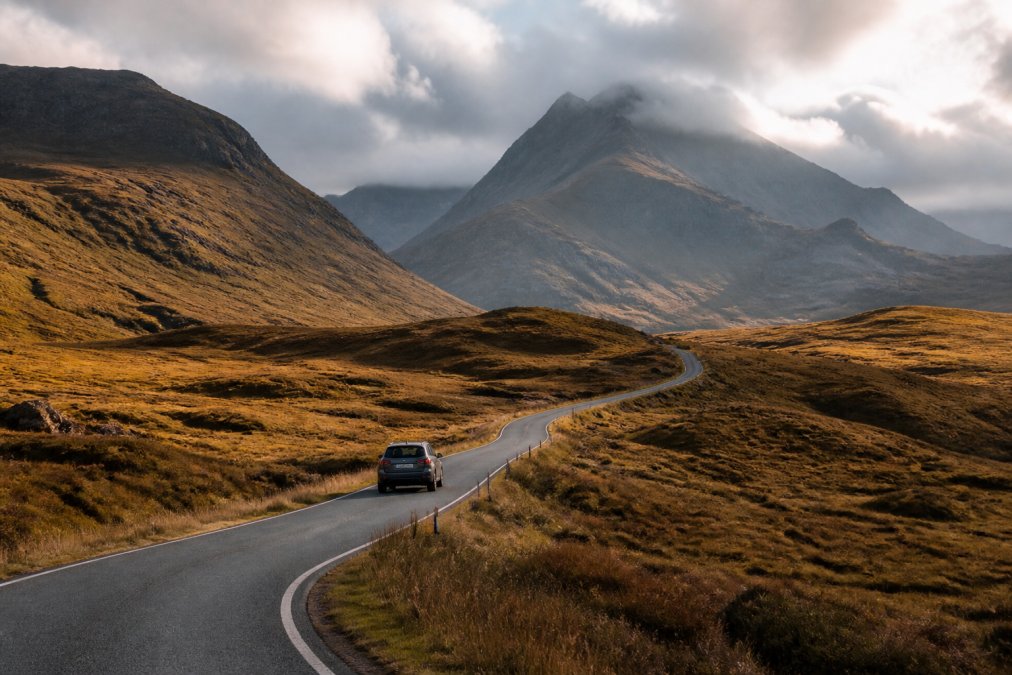
The best area depends on your priorities, but accessibility and travel logistics are foundational. Portree offers maximum accessibility: restaurants, shops, petrol, and public transport originate here. If you're uncomfortable driving on Highland roads, staying in or near Portree minimizes driving stress.
However, accessibility comes with trade-offs. Portree is busier, more tourist-oriented, and further from the island's most dramatic landscapes. For guests with mobility limitations, Portree-area accommodation is most practical.
Seasonal Booking Windows and Availability
Skye's accommodation fills rapidly during peak season (July-August) (visitscotland.com). Booking 8-12 weeks in advance is standard. Shoulder season (May-June and September-October) offers a sweet spot: better weather than winter, fewer crowds than peak summer, and more availability. Winter brings availability and lower prices but also weather challenges and shorter daylight.
Peace and Quiet Versus Convenience
This represents the fundamental choice on Skye. Portree and nearby areas offer convenience but less peace. The Sleat Peninsula, Trotternish, and remote northern areas offer peace but require accepting isolation and longer drives. Skye Lodge Dunvegan occupies a middle ground: genuinely remote enough to feel like escape, but positioned close enough to Dunvegan Castle, Neist Point, and quality restaurants.
Practical Planning for Your Skye Stay
Booking Direct and Securing Dining Reservations
Booking accommodation directly with the property often yields better service and more accurate information. Owners who manage their own properties can provide detailed guidance on dining, weather, and itinerary planning that third-party booking sites cannot.
Dining reservations require advance planning. The Three Chimneys, Kinloch Lodge's restaurant, and other quality establishments book weeks in advance during peak season. When you book accommodation, immediately secure dining reservations at your preferred restaurants.
Travel Time on Highland Roads
Adding 20 minutes to every hour of estimated driving time is practical reality on Highland roads. Plan your days around realistic travel times. If you're visiting the Trotternish in the morning, plan to return to your accommodation for a late lunch rather than attempting another region in the afternoon.
WiFi and Digital Nomad Considerations
If you require reliable internet for work, confirm WiFi availability and quality before booking. Most quality accommodation now offers free WiFi, but speeds and reliability vary significantly. Skye Lodge Dunvegan explicitly includes free WiFi, making it suitable for digital nomads or guests who need to maintain work connections.
Accessibility for Guests with Mobility Needs
The island's landscape is inherently challenging for guests with mobility limitations. Many attractions involve walking on uneven terrain, steep paths, or significant elevation changes. However, some experiences are accessible. Dunvegan Castle offers accessible areas. Some walking routes are relatively flat and manageable.
When booking accommodation, confirm that the property itself is accessible: ground-floor rooms, accessible bathrooms, parking near entrances. Ask your accommodation hosts about accessible attractions and activities.
Conclusion
The best places to stay on Skye depend on whether you prioritise convenience, solitude, culinary excellence, or landscape access. However, the common thread across quality accommodation is genuine hospitality from owners who understand the island's unique demands.
If you're seeking personalised service, locally informed guidance, and a base that balances access to iconic attractions with genuine escape, Skye Lodge Dunvegan offers handmade beds in every room, gourmet breakfasts featuring premium locally sourced ingredients, and personalized hospitality from owners Claire and Douglas. The property accommodates 4-10 persons, making it ideal for couples, small families, or friend groups seeking exclusive use. Make a reservation at Skye Lodge and experience the island the way it deserves to be experienced, with time, thoughtful guidance, and a comfortable home base from which to explore.
=== FAQ ANSWERS (audit these too, same rules) ===
[1] Q: Which town on Skye is the best to stay in? A: The best place to stay depends on your priorities. Portree offers vibrant hospitality and easy access to restaurants and shops, making it ideal for first-time visitors. For peace and quiet, the Sleat Peninsula provides remote coastal tranquility. Dunvegan suits those wanting proximity to iconic landmarks like Dunvegan Castle and Neist Point. Consider your itinerary and whether you prefer a hub-based approach or a secluded retreat when choosing your base.
[2] Q: How many days should I spend on the Isle of Skye? A: Three nights and five days allows you to experience both famous landmarks and quieter corners without rushing. Two nights is feasible but means prioritising specific attractions. A week or longer lets you explore thoroughly, enjoy multiple sunrises and sunsets, and absorb the island's pace. Most visitors underestimate travel times on Highland roads, so adding extra days reduces stress and enhances your experience of the wilderness and heritage.
[3] Q: What should I look for when booking high-end accommodation on Skye? A: Prioritise properties with locally sourced dining, personalized hospitality, and proximity to attractions like the Cuillin mountains and Dunvegan Castle. Check whether rooms are individually designed and feature quality amenities. Verify WiFi reliability if you need to stay connected. Book direct with lodges when possible for access to local knowledge and dining recommendations. Confirm cancellation policies well in advance, especially during peak season when restaurants fill quickly.
[4] Q: Are there secluded luxury lodges for private group bookings on Skye? A: Yes. Skye Lodge Dunvegan accommodates exclusive group bookings of 4-10 persons and offers bespoke hospitality from owners Claire and Douglas. Mint Croft provides luxury self-catering cottages for couples or small groups in a remote village setting. Kinloch Lodge and Toravaig House also welcome groups seeking tranquil, refined settings. Contact lodges directly to discuss exclusive use options and customised itineraries for your party.
[5] Q: How far in advance should I book my stay on Skye? A: Book three to six months ahead during peak season (May to September) to secure your preferred accommodation and dining reservations. Shoulder seasons (April and October) offer more availability but still benefit from early booking. Winter (November to March) has fewer restrictions but limited daylight for exploring. Always reserve restaurants in advance, particularly those within 15 minutes of your lodge, as popular venues fill quickly even outside peak times.
Frequently Asked Questions
Q: Which town on Skye is the best to stay in?
A: The best place to stay depends on your priorities. Portree offers vibrant hospitality and easy access to restaurants and shops, making it ideal for first-time visitors. For peace and quiet, the Sleat Peninsula provides remote coastal tranquility. Dunvegan suits those wanting proximity to iconic landmarks like Dunvegan Castle and Neist Point. Consider your itinerary and whether you prefer a hub-based approach or a secluded retreat when choosing your base.
Q: How many days should I spend on the Isle of Skye?
A: Three nights and five days allows you to experience both famous landmarks and quieter corners without rushing. Two nights is feasible but means prioritising specific attractions. A week or longer lets you explore thoroughly, enjoy multiple sunrises and sunsets, and absorb the island's pace. Most visitors underestimate travel times on Highland roads, so adding extra days reduces stress and enhances your experience of the wilderness and heritage.
Q: What should I look for when booking high-end accommodation on Skye?
A: Prioritise properties with locally sourced dining, personalized hospitality, and proximity to attractions like the Cuillin mountains and Dunvegan Castle. Check whether rooms are individually designed and feature quality amenities. Verify WiFi reliability if you need to stay connected. Book direct with lodges when possible for access to local knowledge and dining recommendations. Confirm cancellation policies well in advance, especially during peak season when restaurants fill quickly.
Q: Are there secluded luxury lodges for private group bookings on Skye?
A: Yes. Skye Lodge Dunvegan accommodates exclusive group bookings of 4-10 persons and offers bespoke hospitality from owners Claire and Douglas. Mint Croft provides luxury self-catering cottages for couples or small groups in a remote village setting. Kinloch Lodge and Toravaig House also welcome groups seeking tranquil, refined settings. Contact lodges directly to discuss exclusive use options and customised itineraries for your party.
Q: How far in advance should I book my stay on Skye?
A: Book three to six months ahead during peak season (May to September) to secure your preferred accommodation and dining reservations. Shoulder seasons (April and October) offer more availability but still benefit from early booking. Winter (November to March) has fewer restrictions but limited daylight for exploring. Always reserve restaurants in advance, particularly those within 15 minutes of your lodge, as popular venues fill quickly even outside peak times.