 Listicle
Cultural Experiences for Visitors to the Isle of Skye
Last Updated: November 9, 2026
Quick Summary
Cultural experiences for visitors to the Isle of Skye centre on Dunvegan Castle and the MacLeod story, the Skye Museum of Island Life at Kilmuir, Talisker Distillery tours, live Gaelic music in small halls, and the Skye Art Trail of independent studios. Slow down, talk to makers, and check the seasonal calendar before booking.
- Allow two to three hours at Dunvegan Castle and go early before tour coaches arrive.
- Give the Skye Museum of Island Life at Kilmuir an hour to understand crofting life.
- Book Talisker Distillery tours ahead and designate a driver for the single-track road back.
- Pick three or four Skye Art Trail studios rather than racing the whole route.
- Add 20 minutes to every hour of driving, as Highland roads take longer than maps suggest.
Table of Contents
- Why Skye Rewards the Culturally Curious Visitor
- Dunvegan Castle and the Living History of Clan MacLeod
- Step Inside the Skye Museum of Island Life
- Whisky, Music and the Gaelic Heart of the Island
- Following the Skye Art Trail with Local Makers
- Isle of Skye Cultural Tours and Guided Storytelling
- Making the Most of Your Cultural Stay from Dunvegan
- Frequently Asked Questions
Why Skye Rewards the Culturally Curious Visitor
Cultural experiences for visitors to the Isle of Skye begin with a simple truth: this island rewards people who slow down. Skye is not a checklist to be raced through between ferry times.
Guests who arrive exhausted from trying to "do" the island in two days often find that the island rewards a slower pace, with time to talk to makers, listen to music, and eat well.
Below, we will show you exactly where to find that living culture, from castle stories to craft studios, and how to plan a stay that feels unhurried. For official visitor guidance on the island's heritage sites, VisitScotland's Skye destination guide is a useful starting point.
Dunvegan Castle and the Living History of Clan MacLeod
Dunvegan Castle is the ancestral home of Clan MacLeod and a rich source of island history. The formal gardens and woodland walks are well worth time on your visit.
What most guides miss is that the castle is not a museum piece. The MacLeods still hold it, and that continuity shapes how the stories are told. Allow two to three hours, and go early in the day before tour coaches arrive.
The Fairy Flag and the Stories Behind the Walls
The Fairy Flag is one of the castle's best-known relics, tied to legends told by its guides. Ask a guide about it rather than rushing past the display case. The story changes depending on who tells it, and that is half the pleasure.
Step Inside the Skye Museum of Island Life
The Skye Museum of Island Life at Kilmuir shows how crofting families lived and worked. It is small, honest and quietly moving, and it gives context to every ruined wall you will pass on the island afterwards.
Give it an hour. The blackhouse interiors, old tools and peat smoke atmosphere explain more about island life than any information board. This is also the stop that makes the rest of your trip legible: after Kilmuir, the landscape starts reading like a story rather than scenery.
Whisky, Music and the Gaelic Heart of the Island
Whisky and Gaelic song are the two clearest expressions of island culture, and both are best experienced in person rather than read about. But the deeper story is that Gaelic is a living language here, not a heritage exhibit, and the cultural calendar that carries it is seasonal, so timing your visit matters as much as choosing your activities.
Talisker Distillery and the Craft of Island Whisky
Talisker Distillery on Skye offers guided tours, which you can check for current tasting options when you plan (Visit Talisker | Whisky Distillery Tours). Booking ahead is sensible, as popular slots can fill quickly. Designate a driver or book a taxi; the single-track road back demands full attention.
Live Traditional Music and the Gaelic Language
Gaelic is still spoken on the island, and you will hear it in place names, in songs at sessions, and in everyday conversation in some communities. Visitors can engage respectfully by learning a few words, slàinte mhath (good health) and tapadh leat (thank you) go a long way, and by treating the language as living rather than as a performance.
The SEALL Festival of Small Halls brings traditional Scottish musicians into community venues, with ticket prices varying by event. These are date-specific, so check the programme before you book travel. Nothing on the island feels less touristy or more genuine than a fiddle and guitar in a small hall.
A Seasonal Cultural Calendar
Cultural experiences on the island cluster around the warmer months, and knowing what happens when helps you plan around real events rather than hoping to stumble on them:
- Spring (March-May): Studios and galleries begin reopening; walking tours restart; quieter roads make this a good window for craft visits.
- Summer (June-August): Peak season for festivals, ceilidhs, live music and guided tours. Book music events and distillery tours well ahead.
- Autumn (September-October): Many cultural events wind down, but maker studios often remain open and the pace is calmer, good for conversations with artists.
- Winter (November-February): Cultural programming can be limited, and some attractions run reduced hours. Check opening seasons before travelling specifically for culture.
Hands-On Cultural Activities
Beyond watching and listening, participatory experiences are where island culture becomes memorable. Craft demonstrations, music sessions, storytelling evenings and community-led workshops appear across the island, often advertised locally rather than online. Ask at your accommodation, check village hall noticeboards, and book directly with makers where possible, this is also the most direct way to support the people whose culture you are enjoying.
Watch out: some small cultural events are advertised at short notice, so confirm details locally rather than relying solely on a printed guide.
Following the Skye Art Trail with Local Makers
The Skye Art Trail is a self-guided route linking independent galleries and craft studios across the island. This is where cultural experiences become hands-on: you meet the weaver, the potter and the printmaker, and you see the work in the place that shaped it.
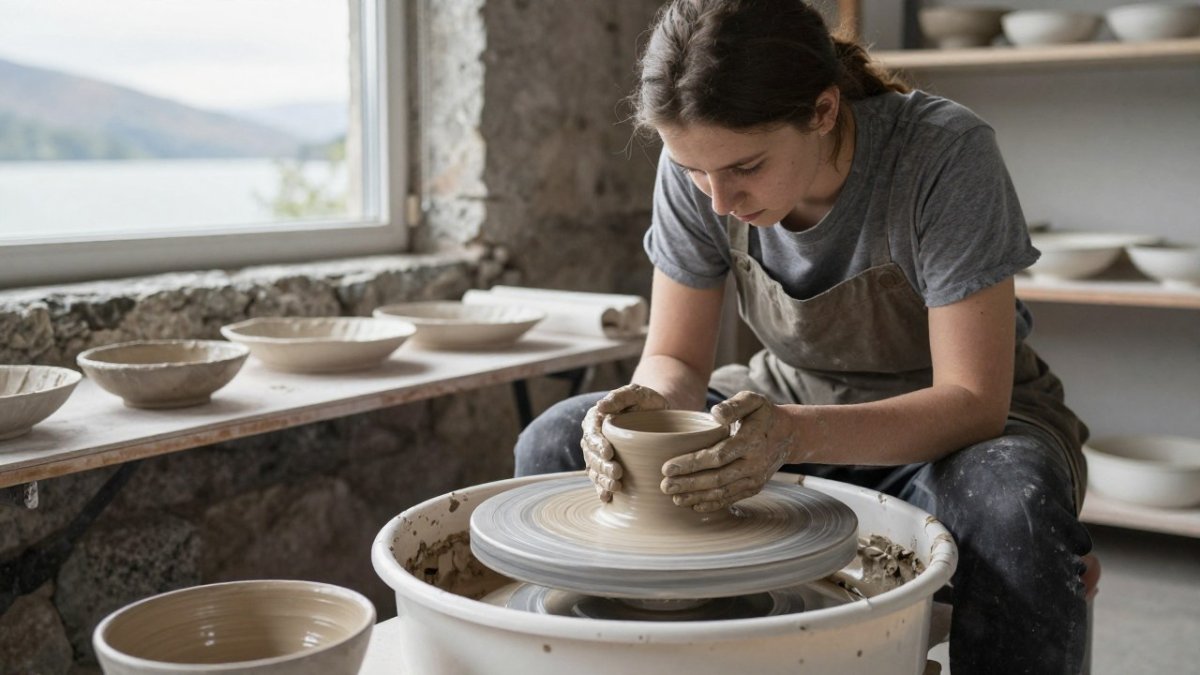
Our advice is to pick three or four studios rather than racing the whole trail. Makers give you more time when you show real interest, and the conversations are the point. If you want a shortlist of the quieter studios, we have gathered hidden craft studios off the beaten path on Skye so you can plan a route that avoids the busiest stops.
Isle of Skye Cultural Tours and Guided Storytelling
Guided cultural tours are the fastest way to hear the folklore, clan history and local stories that self-guided travel misses, but the quality varies enormously. The difference between a forgettable outing and a memorable one is almost always the guide's roots in the place, not the vehicle or the route.
What Good Guided Storytelling Actually Looks Like
A strong guide will tie a story to a specific rock, ruin or shoreline you can point to later. Ask before you book whether the tour includes Gaelic place-name explanations, the meaning of names like Dunvegan, Kilmuir and Talisker often unlocks the landscape in a way that scenery alone cannot. Small groups often make for better conversation than coach-sized parties, so check group size when you enquire.
Ask at your accommodation before you arrive about local guides who can help you plan.
Walking Tours, Castle Outings and Boat Trips
Cultural tours on the island generally fall into three shapes:
- Village and heritage walks, usually 90 minutes to two hours, focused on local history, church sites and clan stories. These suit visitors who want to stay on foot and ask questions.
- Castle-focused outings, built around Dunvegan Castle and the MacLeod story, often combined with the gardens. Allow half a day including travel.
- Boat trips with storytelling, coastal scenery and wildlife watching paired with local history. These are weather-dependent, so build in a backup day.
Practical Booking Details Worth Knowing
- Advance booking: Essential in summer for castle-linked and boat tours; walking tours can sometimes be joined at short notice.
- Season: Many small operators run seasonally, so options can narrow outside the main visitor period.
- Accessibility: Ask directly about step-free routes and rough ground, castle gardens and coastal paths vary widely, and not all operators state accessibility clearly online.
- Transport: If you are not driving, confirm whether pickup from Dunvegan is possible; public transport on the island is limited and timetables are sparse.
- Duration and cost: Confirm the duration, cost and cancellation policy when you book, as weather can affect outdoor plans.
Watch out: boat trips and outdoor walks are frequently cancelled for wind and rain at short notice, keep one flexible day in your plan so a cancellation does not cost you the experience entirely.
Engaging Respectfully with Living Communities
Guided tours are also where visitors most often get cultural etiquette wrong. A few practical habits go a long way:
- Ask before photographing people, working crofts or private graveyards.
- Treat Gaelic as a living language, not a curiosity, if a guide offers a pronunciation, take it seriously.
- Buy something from local makers and shops rather than treating villages as backdrops.
- Keep to paths at heritage sites; many are fragile and actively conserved.
These small choices are what separate cultural tourism from sightseeing, and they are the reason a well-chosen guide is worth the investment.
Making the Most of Your Cultural Stay from Dunvegan
Basing yourself in Dunvegan puts castle, coast and craft studios within easy reach, which matters more than most itineraries admit. Highland roads take longer than the map suggests, so add 20 minutes to every hour of driving.
A practical shape for a cultural stay looks like this:
| Day | Focus | Time Needed | Book Ahead? |
|---|---|---|---|
| Day 1 | Dunvegan Castle and gardens | 2-3 hours | Yes, in season |
| Day 2 | Skye Art Trail studios | Half day | No |
| Day 3 | Museum of Island Life and Kilmuir | 2 hours | No |
| Evening | Live music or distillery tour | 1-2 hours | Yes for Talisker |
For a fuller picture of what the village offers, explore Dunvegan before you arrive. Walkers should look at the Macleod's Tables route, which starts and finishes in the village. And after a day of culture, our guide to the best local restaurants near Dunvegan will save you a wasted evening.
When you are ready to settle in, Skye Lodge offers handmade beds, en-suite rooms and a gourmet breakfast made with premium, locally sourced ingredients, ideally situated near Dunvegan Castle.
The difference between a good Skye trip and an unforgettable one usually comes down to time and local knowledge. We built Skye Lodge around both: handmade beds in every room, en-suite comfort, and breakfasts prepared with locally sourced ingredients by owners who will happily help you plan each day.
Frequently Asked Questions
What cultural experiences can visitors enjoy on Skye?
Skye pairs heritage with hands-on culture. You can tour Dunvegan Castle, the ancestral seat of Clan MacLeod, and hear the story of the Fairy Flag. The Skye Museum of Island Life at Kilmuir recreates crofting life in thatched cottages. Talisker Distillery runs guided tours and tastings, and the Skye art trail connects independent studios and galleries where makers sell their work. Traditional music nights and community festivals add Gaelic song and storytelling to the mix.
Where can visitors learn about the history of Skye?
Start with the Skye Museum of Island Life, where preserved thatched cottages show how crofting families lived and worked. Dunvegan Castle covers clan history. For broader context, guided cultural tours can help tie together island history and Gaelic heritage. Allow time at each site rather than rushing, and check seasonal opening hours before you travel, as several attractions close outside the main visitor season.
How can visitors experience Gaelic culture on Skye?
Gaelic culture on Skye is a living tradition rather than a museum piece. Look for traditional music sessions in village halls, community festivals that programme Gaelic song, and local storytellers who share folklore and clan legends. The Skye art trail often includes makers working in traditional craft techniques. Attending a small local event gives a far more authentic experience than a staged performance, so ask your hosts what is on during your stay.
What can visitors do near Dunvegan on a rainy day?
Dunvegan Castle and its gardens make a good wet-weather base, with interior tours and exhibition rooms. The Skye Museum of Island Life and Talisker Distillery both offer indoor interest, and the Skye art trail includes studios and galleries where you can browse at leisure. This is also the moment to book a long lunch at one of the area's restaurants, though tables fill quickly, so reserve ahead rather than relying on turning up.