 listicle
Exclusive Highland Retreats for Group Bookings
Table of Contents
- What Makes an Exclusive Highland Retreat Right for Group Bookings
- Luxury Group Accommodation Scotland: Understanding Your Options
- Exclusive Use Venues Highlands: What You're Actually Booking
- Corporate Retreat Venues Scotland: From Strategy Days to Team Celebrations
- Planning Your Group Retreat: Logistics, Catering, and Itineraries
- Sustainable and Eco-Conscious Group Travel in the Highlands
- Frequently Asked Questions
Last Updated: August 31, 2026
What Makes an Exclusive Highland Retreat Right for Group Bookings
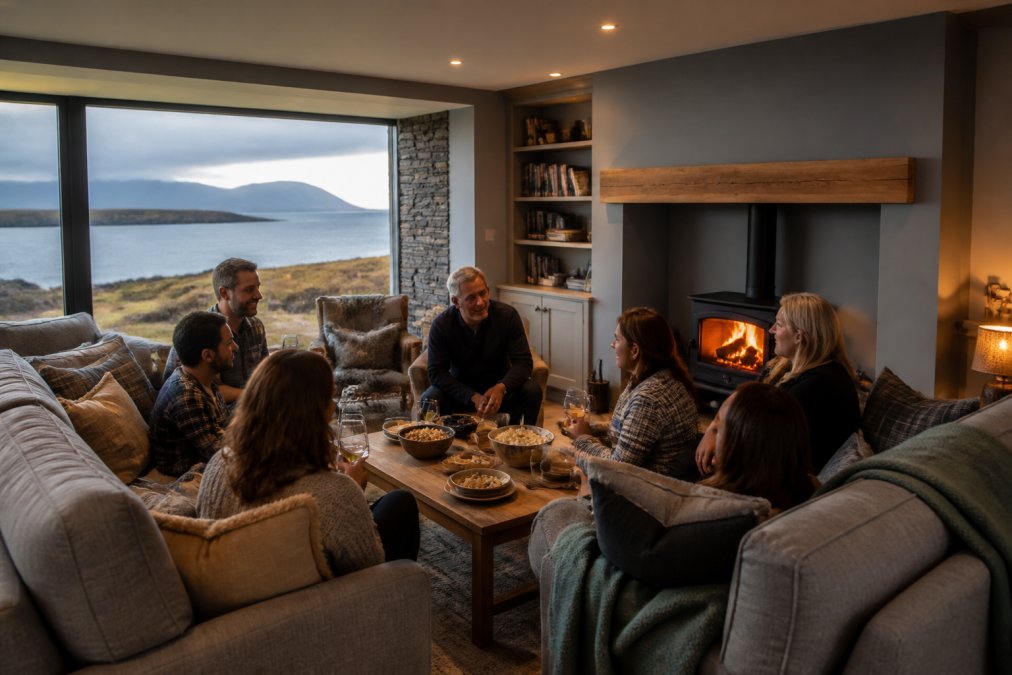
An exclusive Highland retreat for group bookings is more than a building with enough bedrooms. It's a curated environment designed to facilitate genuine connection, whether your gathering is a corporate strategy session, a family milestone, or a celebration with close friends.
The best exclusive Highland retreats offer complete privacy, luxury accommodation combined with flexible event spaces, and professional infrastructure: catering coordination, activity planning, and logistical support that transforms a house rental into a fully managed experience.
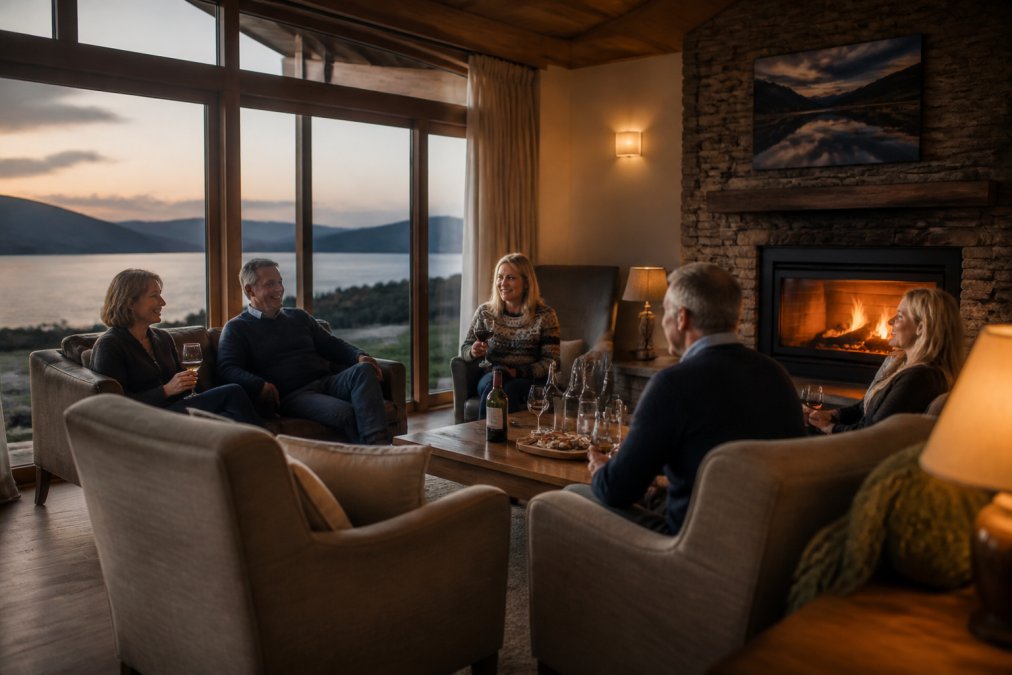
What separates exceptional retreats from mediocre ones is attention to detail. The best venues anticipate what groups need before they ask: dedicated event coordination, catering that accommodates dietary requirements, and activity suggestions tailored to your group's interests.
Location matters profoundly. Properties within the Cairngorms National Park or on the Isle of Skye offer genuine remoteness that encourages groups to stay engaged with one another. Views of mountains, lochs, and glens create a sense of occasion that transforms even routine meetings into memorable moments.
Luxury Group Accommodation Scotland: Understanding Your Options
Luxury group accommodation in Scotland falls into two distinct categories, each suited to different group dynamics and budgets.
Self-Catering Lodges and Private Estates
Self-catering properties give your group maximum autonomy. You control meal timing, activity rhythm, and how you spend your time. This model works well for groups of friends or families wanting flexibility, or corporate teams bringing their own catering.
The appeal is cost predictability and independence. You're not paying for staffing or prepared meals you might not fully utilise. Many self-catering properties now rival hotel-standard amenities, with professional-grade kitchens, multiple living areas, and outdoor entertaining spaces.
The trade-off is operational responsibility. Someone in your group must manage meal planning, shopping, and preparation. For groups larger than ten people, this becomes a genuine logistical challenge. You'll also coordinate additional services, cleaning, activity booking, and transport directly with external providers rather than through a single point of contact.
Skye Lodge exemplifies the refined self-catering approach. Accommodation for 4-10 persons features handmade beds in every room and ensuite bathrooms, with gourmet breakfasts prepared fresh from locally sourced ingredients. The property's location on the Isle of Skye's westerly coastline with loch views provides the scenic backdrop that transforms a gathering into a retreat.
Fully Catered and Staffed Properties
Fully catered properties handle operational complexity. Your group arrives, and a dedicated team manages meals, housekeeping, activity coordination, and logistics. This model suits corporate retreats, milestone celebrations, and groups where convenience outweighs cost considerations.
A corporate offsite runs smoothly because the venue's team coordinates breakout spaces, manages catering logistics, and handles details that derail poorly-supported events. Family celebrations become genuinely relaxing because no one is managing the kitchen.
Aldourie Castle Estate on Loch Ness exemplifies this model. Accommodation for up to 24 guests across 12 ensuite bedrooms includes a private chef, butler service, and activity coordination. Catering covers breakfast, lunch, afternoon tea, and dinner, all tailored to your group's preferences. The 500-acre private estate provides space for outdoor pursuits from archery to falconry.
The cost differential is substantial, but often proves lower than managing catering separately, particularly for groups larger than fifteen people.
Exclusive Use Venues Highlands: What You're Actually Booking
When a property advertises "exclusive use," your group has the entire venue to itself. No shared facilities. No other guests. Complete privacy. This distinction fundamentally changes the experience.
True exclusive use means you control the entire property's calendar for your dates. You're not booking individual rooms within a larger hotel; you're booking the entire building, grounds, and staff allocation. This eliminates friction with other guests, noise considerations, shared dining times, or competition for common spaces.
Exclusive use also enables bespoke programming. A venue's team can design your retreat around your specific objectives. A corporate offsite can include dedicated breakout spaces and activity schedules built around strategy sessions. A family celebration can incorporate multi-generational activities and flexible meal timing.
The pricing model for exclusive use typically reflects the entire property's value. The Torridon in the Scottish Highlands offers exclusive hire starting from £48,400 for a two-night package including dinner and activities (visitscotland.com). For a group of 20-30 people, that translates to roughly £800-1,200 per person for two nights with full catering, competitive with mid-range hotel group rates when you factor in the quality differential and private event space.
Exclusive use venues typically include event spaces designed for meetings, celebrations, or formal dinners. Candacraig, a 17th-century Highland mansion within the Cairngorms National Park, provides flexible principal rooms for meetings and informal gatherings within its exclusive-hire package. This flexibility means your group isn't confined to a single event space; you can move between intimate breakout areas and larger gathering spaces as your agenda requires.
Corporate Retreat Venues Scotland: From Strategy Days to Team Celebrations
Corporate retreats demand something residential hotels struggle to provide: an environment where work and genuine connection coexist. The best corporate retreat venues in Scotland bridge this gap by combining professional event infrastructure with the intimacy of a private estate.
What separates a successful corporate retreat from an exhausting off-site is environment. A strategy session in a Highland mansion with loch views, followed by team activities and informal evening gatherings, feels transformative. The setting itself becomes part of your messaging, signalling that you value your team enough to invest in a genuinely special experience.
The practical requirements for corporate retreats are specific. You need reliable high-speed internet for hybrid participants or ongoing business operations. You need flexible meeting spaces that can accommodate both large group sessions and breakout discussions. You need catering that supports long days without becoming the focus of the event. You need activity options that genuinely appeal to diverse interests.
Candacraig exemplifies the corporate retreat model. Located within the Cairngorms National Park, the 17th-century Highland mansion accommodates up to 24 guests across 12 ensuite bedrooms. The property includes flexible principal rooms for meetings and breakout sessions, with fast Starlink internet connectivity ensuring business continuity. Outdoor activities, fly fishing, hiking, 4x4 excursions, clay shooting, can be arranged to suit your group's preferences.
The distinction between a corporate retreat and a luxury hotel event is fundamentally about control. In a corporate retreat venue, your group controls the entire property's schedule and programming. Your team's needs shape the property's operations, not the reverse.
Pricing for corporate retreat venues typically bundles accommodation, catering, event space, and activity coordination. This transparency makes budgeting simpler and often reduces total cost compared to coordinating multiple vendors.
Planning Your Group Retreat: Logistics, Catering, and Itineraries
The difference between a well-executed group retreat and a chaotic one emerges in three elements: transport coordination, dietary management, and itinerary design.
Managing Transport for Large Groups
Transport logistics often derail group retreats before they begin. Highland properties often sit 45 minutes to two hours from the nearest major airport or railway station. That distance requires planning that many groups underestimate.
For groups larger than 12 people, coach hire is the most common approach. A coach eliminates individual driving logistics, ensures everyone arrives together, and provides a social element to the journey. Costs typically range from £600-1,200 for a full-day hire, depending on distance and group size (gov.uk).
For smaller groups or those with participants driving separately, the venue should provide clear arrival logistics. Skye Lodge provides detailed travel guidance, including the precise advice: add 20 minutes to every hour of travel on Highland roads. This isn't casual suggestion; it's the difference between arriving relaxed and arriving frustrated.
Consider also the return journey. A coach departure in the afternoon, rather than morning, allows a final breakfast together and reduces the sense of rushing. This small detail significantly improves how participants remember the retreat.
Dietary Requirements and Catering Coordination
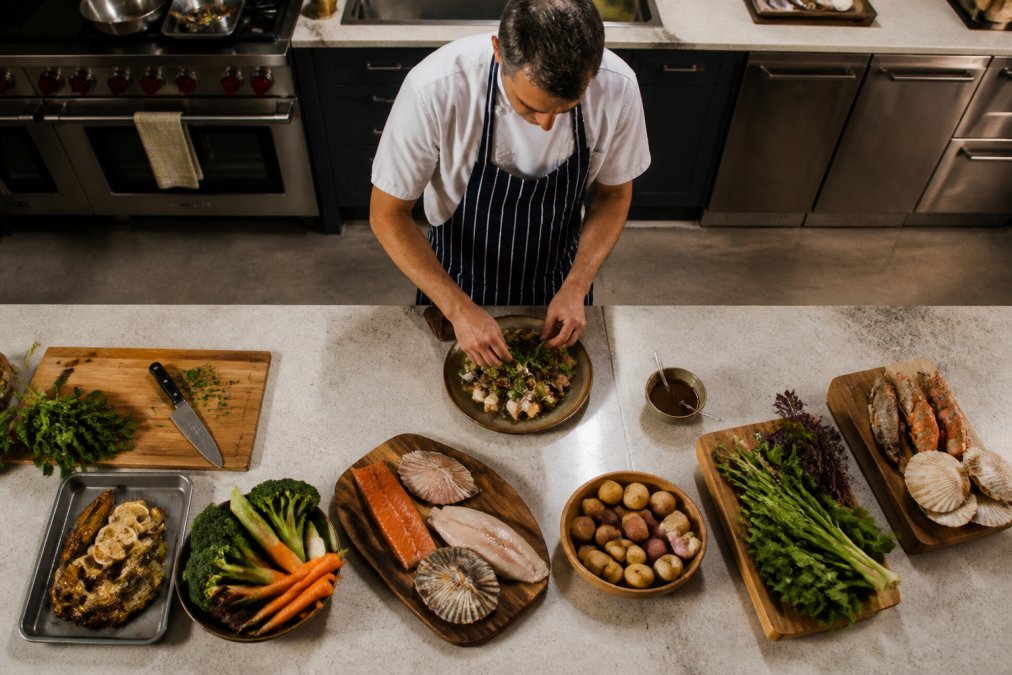
Dietary requirements have become genuinely complex. Vegetarian, vegan, gluten-free, allergen-conscious, and religious dietary needs require careful coordination.
Collect detailed dietary information from all participants at least four weeks before arrival. Create a simple spreadsheet: participant name, dietary requirements, specific allergies, and preferences. Share this with your venue's catering team. Professional catering operations build menus around these constraints, ensuring everyone eats well.
For self-catering properties like Skye Lodge, the morning gourmet breakfast is handled professionally. Evening meals become your group's responsibility. Many groups appoint a volunteer coordinator to plan dinners, manage shopping, and oversee kitchen operations. Alternatively, arrange external catering for specific meals.
The restaurant culture in Highland areas is strong but requires advance planning. Local establishments like The Three Chimneys (within 15 minutes of Skye Lodge) book weeks in advance. Book restaurants before arrival, ensuring confirmed reservations rather than hoping for availability.
For larger groups, mix dining approaches. One or two formal dinners at local restaurants create memorable experiences. Casual lunches and breakfasts at your property provide flexibility and cost control.
Creating an Itinerary for Mixed-Interest Groups
The most common retreat failure is a poorly designed itinerary. By day two, fractious groups emerge: some want constant activity, others want contemplative time, corporate groups need structured work sessions, celebration groups want flexibility.
Design an itinerary that accommodates multiple interests simultaneously. Structure the core of your day, perhaps a morning strategy session or communal lunch, then offer parallel activity options in the afternoon. This approach keeps the group connected during key moments while allowing individual choice during secondary periods.
For corporate retreats, the standard model is: morning strategy session (9am-12:30pm), lunch, afternoon activity options (2pm-5pm), informal evening gathering (6pm onwards). This rhythm allows focused work without exhaustion.
For celebration groups, structure is lighter but still important. A communal dinner on arrival night establishes connection. Day two might include a guided activity that everyone participates in. Remaining time is unstructured, allowing subgroups to pursue their own interests.
Weather contingency is essential. Highland weather changes rapidly. Your itinerary should include indoor alternatives for outdoor activities. A planned hillwalk becomes a local museum visit if weather deteriorates.
Sustainable and Eco-Conscious Group Travel in the Highlands
An increasing number of groups prioritise environmental responsibility when selecting retreat venues. The Highlands' natural beauty is what attracts groups in the first place. Protecting that environment matters.
Sustainable group travel begins with venue selection. Properties with genuine environmental commitments, renewable energy, water conservation, waste reduction, demonstrate values alignment. Ask potential venues about their sustainability practices. Specific practices indicate serious investment.
Transport represents the largest environmental impact. Coach transport is substantially more efficient than individual cars. A 30-person group in a coach produces roughly one-tenth the emissions per person compared to six cars.
Catering choices also matter. Properties sourcing from local suppliers reduce transport emissions and support regional economies. Skye Lodge's emphasis on locally sourced ingredients reflects this principle. Seasonal menus reduce environmental impact compared to menus requiring year-round imports.
Food waste management is often overlooked but significant. Properties with composting programmes and portion planning that minimises plate waste demonstrate genuine commitment.
Encourage group participation in environmental practices. Simple actions, reusing towels, minimising single-use plastics, turning off lights in unoccupied spaces, aggregate meaningfully across a group stay.
The Cairngorms National Park and Isle of Skye represent Scotland's most treasured natural environments. Groups visiting these areas have responsibility to minimise impact. The best group retreats integrate environmental awareness into their experience, allowing participants to enjoy extraordinary landscapes whilst respecting the ecosystems that make those landscapes possible.
Planning an exclusive Highland retreat for group bookings requires balancing luxury with practicality, privacy with connection, and ambition with realistic logistics. The venues and approaches outlined above represent different models suited to different group needs. What unites them is recognition that the physical environment shapes human experience profoundly.
Skye Lodge demonstrates this principle through meticulous attention to detail. Handmade beds, locally sourced gourmet breakfasts, and personalised hospitality from owners Claire and Douglas create the foundation for genuine retreat. The property's location on the Isle of Skye's westerly coastline, with views of lochs and proximity to iconic landmarks like Dunvegan Castle and the Cuillin mountains, provides the setting that transforms a group gathering into something memorable.
Whether your group is a corporate team requiring strategy space, a family celebrating a milestone, or friends seeking genuine connection, the right venue becomes your ally rather than a logistical constraint. Get started planning your exclusive Highland retreat with Visit Scotland's official accommodation guide for comprehensive venue options, or contact Skye Lodge directly to explore how their bespoke hospitality and sophisticated accommodation can serve your group's specific needs.
Frequently Asked Questions
Q: What should I look for when booking an exclusive Highland retreat for group bookings?
A: Prioritise properties offering exclusive use, which means your group has sole access to the entire venue. Check accommodation capacity (typically 8-24 guests), catering options (self-catering versus fully staffed), and whether owners provide local knowledge. Verify amenities like en-suite rooms, quality dining facilities, and proximity to attractions such as Cairngorms National Park or Dunvegan Castle. Confirm cancellation policies and whether the venue can accommodate your group's specific needs, from dietary requirements to activity planning.
Q: How far in advance should I book a luxury Highland retreat for a group?
A: Book 3-6 months ahead for peak season (July-September) and special occasions like milestone birthdays or corporate retreats. For winter stays or quieter periods, 4-8 weeks may suffice. Popular exclusive-use venues fill quickly, especially for weekends and holiday periods. Early booking also allows time to coordinate logistics such as group transport, restaurant reservations (many Highland restaurants require advance booking), and bespoke activity arrangements like guided hikes or whisky tastings.
Q: What amenities are essential for an exclusive group retreat in the Highlands?
A: Essential amenities include en-suite bedrooms (privacy and comfort), a fully equipped kitchen or catering service, comfortable communal spaces (lounge, dining room), reliable Wi-Fi for those needing connectivity, and outdoor access for walking or activities. Luxury additions that enhance group experiences include hot tubs, saunas, libraries, and event spaces. Proximity to local restaurants, artisan shops, and natural landmarks like the Cuillin mountains or lochs adds significant value. Ask whether the property provides activity coordination and local guidance.
Q: What makes a Highland retreat 'exclusive' for group bookings?
A: Exclusive use means your group books the entire property, ensuring complete privacy and no shared facilities with other guests. This allows you to set your own schedule, organise group activities without interruption, and create a bespoke experience tailored to your celebration or corporate objectives. Exclusive-use venues typically include dedicated staffing (chef, housekeeping), fully catered meals, and personalised itinerary planning. This contrasts with standard hotel bookings where groups occupy individual rooms in shared facilities.