 listicle
Is a Luxury Lodge Stay Worth It? A Honest 2026 Guide
Table of Contents
- What Makes a Luxury Lodge Stay Different
- Pros and Cons of Holiday Lodges: What You're Really Paying For
- Luxury Lodges with Hot Tubs: Premium Amenity or Marketing Tool?
- Hidden Costs Nobody Mentions
- Location, Accessibility and What You Actually Get
- Self-Catering Versus Managed Hospitality: Which Offers Better Value
- Is It Worth the Investment? A Verdict for Different Travellers
- Frequently Asked Questions
Last Updated: August 5, 2026
What Makes a Luxury Lodge Stay Different
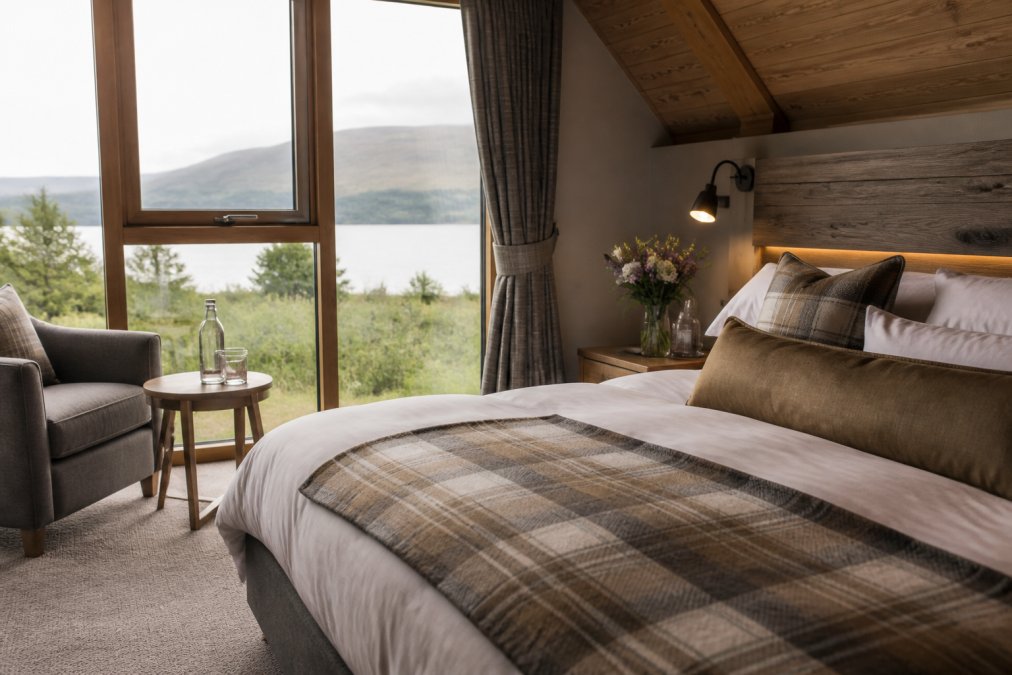
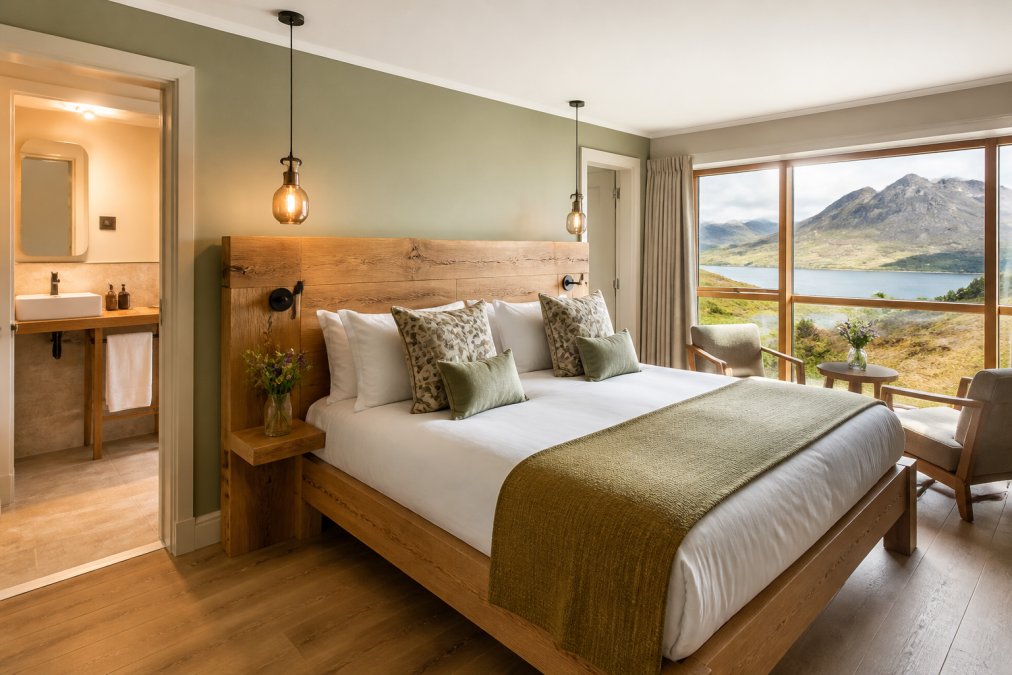
A luxury lodge offers something fundamentally different from standard hotels: space, privacy, and a sense of ownership over your surroundings. Unlike hotels, luxury lodges typically provide self-catering facilities, full kitchens, high-end furnishings, private outdoor spaces, and amenities like hot tubs or saunas. Many feature handmade beds, ensuite bathrooms, and carefully curated interiors designed for relaxation rather than turnover efficiency.
What sets properties like Skye Lodge apart is the personal touch. Rather than interacting with rotating hospitality staff, you receive bespoke hospitality from owners who know the area intimately. This translates into actionable local knowledge: which restaurants to book weeks in advance, how to time journeys on Highland roads, where to catch sunrise and sunset. That insider information alone changes how you experience a destination.
The trade-off is clear: you gain privacy and independence but lose daily housekeeping and on-demand room service. For some travellers, that's precisely the point.
Pros and Cons of Holiday Lodges: What You're Really Paying For
The genuine advantages
Self-catering flexibility is the first real win. You're not locked into restaurant hours or meal packages. If you want a full Scottish breakfast at 11 a.m., you make it. If you'd rather have a simple lunch and save dinner out for somewhere special, you control that decision.
Privacy and exclusivity deliver genuine value. A holiday lodge isn't a shared corridor with other guests. You have your own entrance, outdoor space, and no one else's noise to contend with. For couples seeking romance or families wanting to relax without disturbing neighbours, this is transformative.
Space itself matters more than marketing suggests. A well-designed lodge with separate living areas, multiple bedrooms, and outdoor decking feels fundamentally different from a hotel suite. You're not living out of a suitcase in a 20-square-metre room.
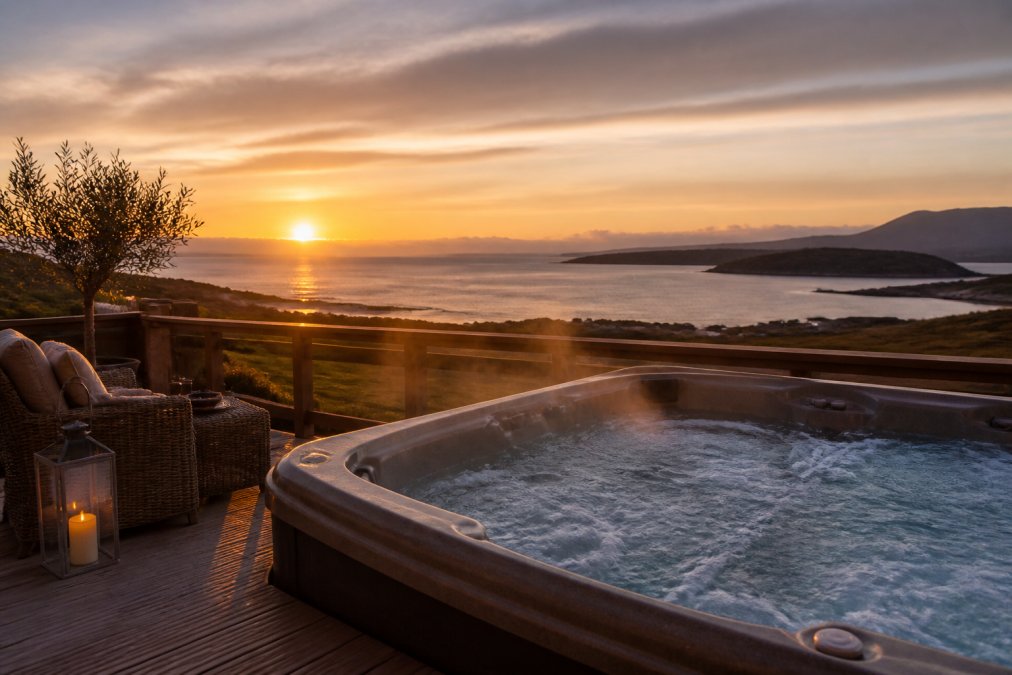
Amenities like hot tubs, saunas, and quality furnishings create memorable experiences. A private hot tub overlooking Scottish mountains at dusk, steam rising as light fades, justifies the booking.
Location matters significantly. A luxury lodge near Dunvegan Castle, the Cuillin mountains, or coastal walks puts you minutes from experiences, not hours commuting.
The real drawbacks
Self-catering requires effort. You're responsible for shopping, cooking, and cleaning. That's not a holiday for everyone.
Maintenance falls on you during your stay. A leaking tap, temperamental heating, or malfunctioning appliance becomes your problem. Hotels handle these issues invisibly; lodges don't.
Shorter stays feel inefficient. Time spent arriving, settling in, understanding the kitchen layout, and departing means a two-night break loses significant hours to logistics. Three nights is genuinely the minimum for a lodge to feel worthwhile.
Limited services mean limited flexibility. You can't request extra towels in five minutes or have a concierge book last-minute restaurant tables. You're doing that legwork yourself, which requires advance planning and local knowledge.
Weather dependency is real. A rainy Scottish week in a lodge means you're somewhat confined indoors. Hotels offer restaurants, bars, and activities within the building. A lodge doesn't.
Luxury Lodges with Hot Tubs: Premium Amenity or Marketing Tool?
Hot tubs have become the signature amenity for luxury lodges across the UK. The honest answer is both: they're genuinely transformative in the right setting and clever marketing that inflates prices.
A private hot tub overlooking mountains, positioned for stargazing, or nestled into a secluded garden creates moments that justify the premium. Sitting in warm water as Scottish light fades is objectively different from sitting in a hotel room. That experience has real value, particularly for couples seeking relaxation.
The marketing angle is equally real. Properties advertise hot tubs prominently because they command higher booking rates and justify higher nightly rates. A standard lodge might rent at £200 per night; add a hot tub and suddenly it's £280.
What matters is context. A hot tub in a remote Highland location with views is genuinely special. A hot tub in a suburban holiday park surrounded by other lodges feels less exclusive. Maintenance considerations matter too. Hot tubs require regular chemical balancing, heating, and cleaning. Some properties manage this impeccably; others cut corners.
Hidden Costs Nobody Mentions
The nightly rate is transparent. What isn't always obvious are secondary costs that accumulate.
Cleaning fees are standard but variable. Some properties include end-of-stay cleaning; others charge £50-150 for it. If you're responsible for leaving the lodge clean, you're either doing labour yourself or paying for it.
Heating and utilities can surprise you. A luxury lodge in winter with multiple bedrooms, a hot tub, and underfloor heating runs expensive. A week-long stay with frequent hot tub use might incur unexpected charges of £40-80 additional.
Damage deposits are common but often unclear. You might need to pay £200-500 upfront, refundable if nothing breaks. The terms around what constitutes "damage" versus "normal wear" are frequently vague.
Booking platform fees add 10-15% on top of advertised rates. If a lodge shows £200 per night, you're often paying £220-230 after commission and processing fees.
Cancellation policies vary wildly. Some lodges offer flexible cancellation; others require payment in full 60 days before arrival. A £2,000 booking with strict cancellation terms represents genuine financial risk.
Minimum stay requirements are sometimes enforced seasonally. Peak season might require a full week; shoulder season might allow three nights.
Location, Accessibility and What You Actually Get
Where a luxury lodge sits determines whether you're getting value or paying for scenery you won't have time to enjoy.
A lodge positioned near major attractions saves hours of driving. You're not spending your holiday in a car. Instead, you're 15 minutes from iconic locations and walking trails. That proximity has concrete value, particularly on shorter stays.
Accessibility to restaurants and amenities matters more than marketing suggests. A remote lodge with stunning views but a 45-minute drive to the nearest decent restaurant becomes isolating. Skye Lodge's position near The Three Chimneys, The Stein Inn, and other quality dining means you have genuine options without extensive travel time.
Road conditions are worth understanding before booking. Highland roads require patience. A lodge marketed as "close to attractions" might be 30 minutes away by distance but 50 minutes by actual driving time.
Seasonal variation affects accessibility significantly. Winter brings reduced daylight, weather challenges, and sometimes road closures. A lodge that's perfectly positioned in summer might feel isolated in January.
Parking and vehicle access are practical considerations often overlooked. Can you park near the lodge entrance, or is it a 200-metre walk from your car? In Scottish weather, that matters.
Internet connectivity is increasingly important. If you're working remotely or want to stay connected, confirm the lodge has reliable broadband. Rural properties sometimes offer patchy coverage.
Self-Catering Versus Managed Hospitality: Which Offers Better Value
The fundamental choice is between independence and service. Each has genuine trade-offs.
Self-catering means you control your experience entirely. You eat what you want, when you want. For some travellers, that autonomy is precisely why they're paying a premium. If you're on holiday to escape responsibility, self-catering is counterintuitive. If you're on holiday to relax without social obligation, it's perfect.
Managed hospitality, where staff prepare meals, handle cleaning, and provide concierge services, offers convenience at higher cost. You arrive to a prepared space, eat meals prepared for you, and depart to a cleaned lodge.
Skye Lodge occupies a middle ground. The gourmet breakfast with locally sourced ingredients is prepared for you. The bespoke hospitality from owners Claire and Douglas means you have genuine local knowledge available without formal concierge structure. You get some service benefits without full hotel-style management.
| Accommodation Type | Meal Prep | Cleaning | Local Knowledge | Cost | Best For |
|---|---|---|---|---|---|
| Pure self-catering lodge | You | You | Limited | Lower | Independent travellers, families |
| Hybrid (breakfast included) | Provided | You | Owner-led | Mid | Couples, small groups |
| Fully managed lodge | Provided | Provided | Concierge | Higher | Luxury seekers, older travellers |
| Hotel | Provided | Provided | Front desk | Mid-High | Convenience-focused travellers |
Is It Worth the Investment? A Verdict for Different Travellers
Whether a luxury lodge stay is worth it depends entirely on who you are and what you value.
For couples seeking romance and relaxation: Yes, absolutely. A private lodge with a hot tub, quality furnishings, and intimate setting delivers value that hotels cannot. A three-night minimum stay is ideal.
For families with young children: Possibly. The space and self-catering flexibility are genuine advantages. However, the responsibility for cleaning and maintenance can feel like work rather than holiday. A lodge that includes end-of-stay cleaning removes friction significantly.
For groups of friends: Yes, with caveats. A lodge accommodating 8-10 people offers better value per person than individual hotel rooms. However, ensure the lodge has genuinely separate areas, bedrooms, bathrooms, and living space, or group dynamics suffer.
For solo travellers or pairs on a tight budget: No. You're paying premium rates for space and amenities you won't fully use.
For international visitors planning a multi-day Scottish tour: Yes. A luxury lodge serves as a sophisticated base of operations. You're not packing and unpacking daily. The owner's local knowledge becomes genuinely valuable for planning efficient itineraries.
For retirees with time flexibility: Yes. Older travellers often value comfort, quality furnishings, and accessibility. A luxury lodge with ensuite bathrooms, quality beds, and heating systems removes physical stress.
The honest verdict: a luxury lodge stay is worth it if you're staying at least three nights, if you value privacy and space over convenience, and if the location genuinely interests you.
Choosing between a luxury lodge and other accommodation options requires honest assessment of what you actually want from a break. Skye Lodge's position on the Isle of Skye, with handmade beds, gourmet locally sourced breakfasts, and personalized hospitality from owners Claire and Douglas, delivers exceptional value for discerning travellers seeking a sophisticated base for exploring the Scottish Highlands. The lodge accommodates individuals or exclusive groups of 4-10 persons, making it ideal for couples, small groups, and families who prioritize quality over convenience. Visit Skye Lodge to explore availability and make a reservation.
Frequently Asked Questions
What is actually included in a luxury lodge stay?
A luxury lodge stay typically includes self-catering accommodation with fully equipped kitchens, well-appointed bedrooms with quality furnishings, private bathrooms, and often amenities like hot tubs or decking areas. Some lodges, like Skye Lodge, include gourmet breakfasts with locally sourced ingredients and personalized hospitality. What's included varies significantly by property, always check the specific listing before booking to understand whether meals, activities, or spa facilities are part of the package.
Are luxury lodges worth the cost compared to standard holiday cottages?
Luxury lodges justify their higher price through superior furnishings, modern amenities, privacy, and often exclusive locations. Standard cottages may lack hot tubs, premium bedding, or personalized service. The value depends on your priorities: if you prioritize comfort, privacy, and curated experiences, a luxury lodge delivers measurable value. If you're budget-conscious and comfortable with basic facilities, a standard cottage offers savings. Consider the total experience, not just the nightly rate.
How much should I realistically budget for a luxury lodge stay in the UK?
Pricing varies widely by location, season, and amenities. Research from UK operators shows luxury lodges range from approximately £200 to £525+ per week, with hot tub options commanding premium rates. Peak season (summer, holidays) costs significantly more than shoulder seasons. Budget for additional expenses: restaurant dining (book in advance), activities, travel time, and potential service charges. Always request current pricing directly from the lodge rather than estimating.
Will a short 2-night stay at a luxury lodge feel rushed, or can I get real value?
A 2-night stay works well for couples seeking a romantic escape or those with limited time, though you'll spend the first day settling in and the last day packing. Longer stays (3-5 nights minimum) allow time to explore surrounding attractions without feeling pressured. If you book a lodge specifically for its location, such as near Dunvegan Castle or the Cuillin mountains on Skye, even 2 nights can deliver genuine value if you plan activities efficiently.