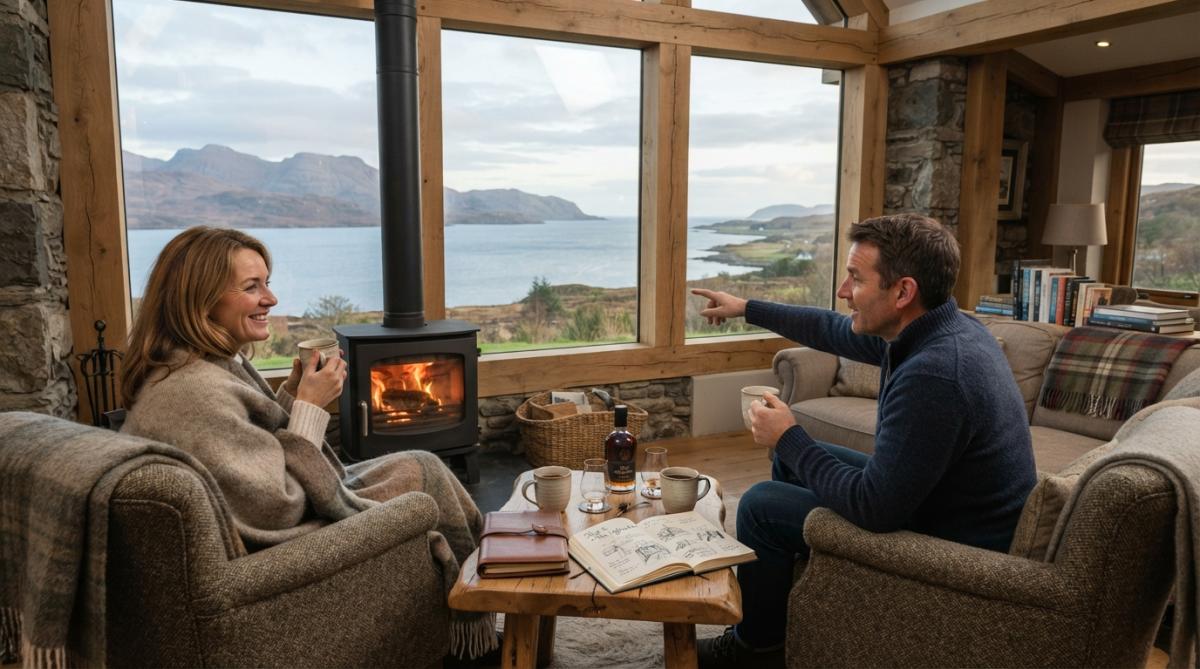
 listicle
Luxury lodges for weekend breaks: A 2026 guide
Table of Contents
- What defines a luxury lodge experience for a weekend break
- Luxury weekend breaks for couples: creating the perfect romantic retreat
- How to plan a luxury weekend getaway: a practical approach
- Essential amenities and features in top-rated luxury lodges
- Choosing between exclusive group bookings and intimate stays
- Why personalised hospitality matters more than standard luxury
- Making the most of a short stay: maximising value in two or three nights
- Frequently Asked Questions
Last Updated: September 24, 2026
What defines a luxury lodge experience for a weekend break
Luxury lodges weekend breaks are self-catering holiday homes combining high-end amenities with personalised hospitality and direct access to natural attractions without traditional hotel formality.
What separates a memorable getaway from a forgettable one is the deliberate absence of friction: reliable heating, and genuinely comfortable beds. That's the foundation.
The real difference lies in bespoke hospitality. When owners greet you personally and offer local knowledge, which restaurants to book, which sunrise spots reward an early start, how to navigate highland roads, the lodge becomes a base for discovery rather than just a place to sleep.
Luxury weekend breaks for couples: creating the perfect romantic retreat
For couples, a luxury lodge weekend break offers privacy without isolation: removed from crowds yet close enough to restaurants, castles, and coastal walks to feel purposeful.
The romantic appeal is about control: you decide when to eat, where to go, and whether to explore or rest. This autonomy, paired with genuine comfort, creates more connection than a busy hotel.
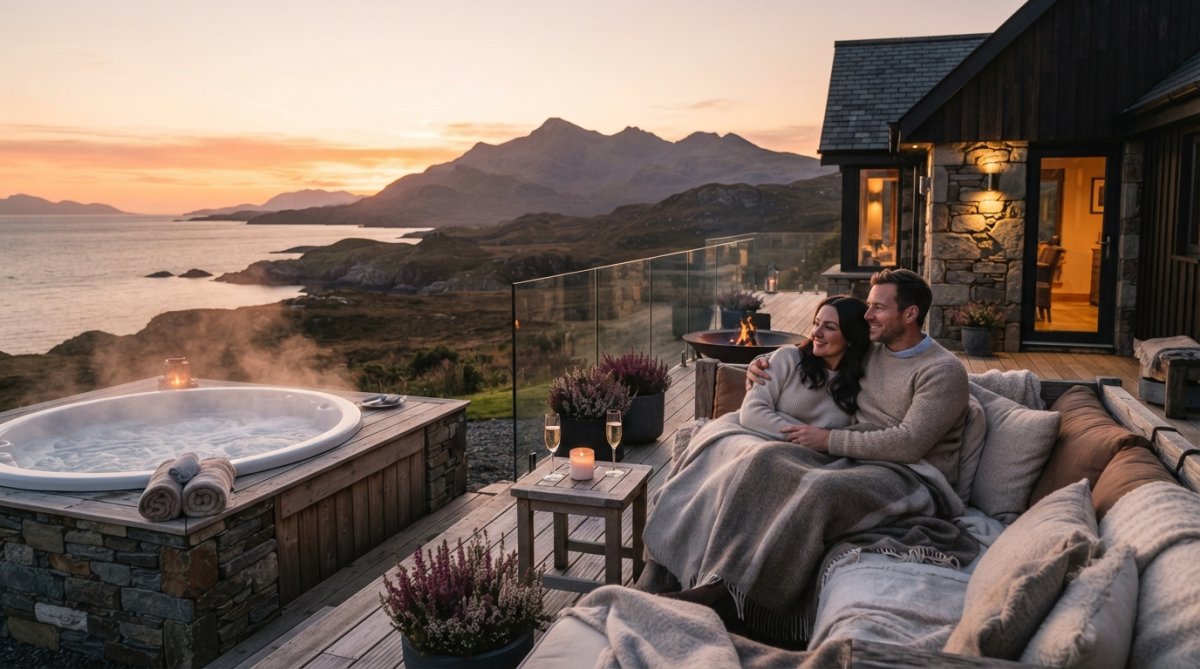
Location matters enormously. Skye Lodge sits on the westerly coastline with loch views, placing couples within 15 minutes of The Three Chimneys restaurant, The Stein Inn, and Dunvegan Castle. That proximity transforms a weekend: you're not choosing between exploring and relaxing, you're doing both.
Book restaurants well in advance, this is the difference between a planned evening and disappointment. Ask the lodge owners for recommendations; they know which places have tables available and which suit couples seeking quiet conversation.
How to plan a luxury weekend getaway: a practical approach
Planning luxury lodges weekend breaks requires working backwards from your lodge location to balance exploration with genuine rest, not cramming attractions into two nights.
Timing and booking strategy
Book your accommodation first, then work backwards. Once you've secured the lodge, reserve restaurants immediately. Fine dining venues on popular weekends fill weeks or months in advance. Don't assume you'll find something spontaneously; that's how weekends disappear into takeaways and ready meals.
Identify 2-3 primary activities. Don't try to see everything; tight planning makes weekends exhausting rather than restorative.
Add 20 minutes to every hour of travel on highland roads; single-track roads, weather, and scenic stops are part of the experience.
Building your itinerary around the lodge location: a concrete example
Once you know where you're staying, design your itinerary around that base rather than treating the lodge as just a sleeping spot. Here's how a three-night luxury lodge weekend actually works in practice:
Friday evening (arrival day)
Arrive by 4 p.m. if possible. Spend the first evening settling in, unpack, familiarise yourself with the lodge, and have a quiet dinner either at the lodge or at a nearby casual restaurant. This isn't wasted time; it sets the pace for the weekend and prevents arrival-day exhaustion from bleeding into your first full day. Ask the lodge owners for local recommendations and confirm any restaurant bookings you've made.
Saturday (full exploration day)
Start with a substantial breakfast at the lodge (7:30-8:30 a.m.). This fuels your day and takes advantage of the owners' local knowledge and quality ingredients.
Plan one primary activity for the morning. If you're staying near a castle or historic site, visit between 9 a.m. and noon, when crowds are lighter. Allow 2-3 hours including travel time. For example, if you're at Skye Lodge, Dunvegan Castle is 15 minutes away; visiting in the morning leaves your afternoon free.
Return to the lodge by 1 p.m. for lunch (either prepared at the lodge or a casual local spot). This break prevents afternoon fatigue and gives you time to rest or read.
Spend the afternoon on a secondary activity: a coastal walk, a visit to a local artisan studio, or simply exploring the lodge's immediate surroundings. This should be low-key and flexible, if the weather is poor or you're tired, it's easy to adjust.
Return by 5 p.m. to prepare for dinner. If you've booked a restaurant, leave by 6:30 p.m. to allow for travel and a relaxed arrival.
Sunday (flexible day)
This is your buffer day. Wake naturally, enjoy breakfast without rushing, and decide based on mood and weather. Options include:
- A sunrise or sunset walk to a scenic viewpoint (ask the lodge owners for their favourite spot; they'll know the best time and route).
- A second visit to an attraction you partially explored on Saturday.
- A slow morning at the lodge: reading, journaling, or simply enjoying the view.
- A cooking class or food experience if available locally.
The goal is to avoid the Sunday scramble. By keeping this day unscheduled, you're protecting the restorative quality of the weekend.
Monday (departure)
Enjoy a final breakfast, pack without rushing, and depart by 11 a.m. or noon depending on your journey home.
Key principles for a successful itinerary
Book restaurants well in advance. For a Saturday dinner at a popular restaurant, book 3-4 weeks ahead during peak season. Ask the lodge owners for recommendations; they know which places have tables available and which suit quiet conversation.
Essential amenities and features in top-rated luxury lodges
You don't need a spa or gym in a lodge designed for two or three nights. You need the fundamentals done exceptionally well, plus transparency about what's included and what costs extra.
Core comfort features
Start with the bed. A handmade bed with quality linens and proper support is worth more than a dozen gimmicks; poor sleep ruins a getaway.
En-suite bathrooms in every room prevent awkwardness.
Hidden costs and booking transparency
Cleaning fees: Ask whether charges (typically £50-£150) are per stay or per night, and whether they cover basic tidying or deep cleaning.
Accessibility and inclusive design
Mobility access: Is the lodge single-storey or are bedrooms accessible without stairs? Are doorways wide enough for wheelchairs (minimum 775mm)? Is there a wet room or accessible shower with grab rails? Are pathways to the lodge and around the grounds level and well-lit?
Sustainability and eco-credentials
Energy: Are heating systems efficient (modern boilers, insulation, heat recovery)? Do they use renewable energy (solar panels, heat pumps)? What's the carbon footprint per guest night?
Choosing between exclusive group bookings and intimate stays
Exclusive bookings offer privacy and control: you set the pace, choose shared meals, and avoid meeting strangers. Skye Lodge accommodates 4-10 persons for exclusive use, suitable for small groups, families, or multi-generational trips.
Why personalised hospitality matters more than standard luxury
This is where most guides get it wrong. They focus on thread counts and amenities. But the difference between a forgettable luxury lodge and a transformative one is the people running it.
Making the most of a short stay: maximising value in two or three nights
Arrive with a clear priority: choose one or two things that genuinely matter to you.
| Planning Element | Priority Level | Timing |
|---|---|---|
| Choose lodge location | Critical | 4-6 weeks before |
| Reserve restaurants | Critical | 3-4 weeks before |
| Plan 2-3 main activities | High | 2-3 weeks before |
| Confirm travel logistics | High | 1-2 weeks before |
| Arrange transfers or car hire | Medium | 1 week before |
| Brief lodge owners on interests | Medium | 3-5 days before |
Frequently Asked Questions
What amenities should I look for in a top-rated luxury lodge?
The best luxury lodges combine thoughtful design with practical comfort. Look for handmade or bespoke furnishings, ensuite bathrooms, and high-quality bedding. Premium lodges also offer gourmet breakfast options using locally sourced ingredients and scenic views. Personalized hospitality from owners or staff who know local attractions, restaurants, and hidden gems is what separates exceptional lodges from standard holiday accommodation. Verify that the lodge can accommodate your group size without compromising intimacy or service quality.
How far in advance should I book a luxury weekend lodge break?
For peak seasons and popular locations, book well in advance to secure your preferred dates and ensure restaurants you wish to visit have availability. Last-minute bookings are possible but may limit your choice of dining and activities. Always confirm restaurant reservations separately before arrival, as many fine dining establishments fill quickly. If you're planning a luxury weekend getaway during school holidays or major events, earlier booking provides better options and peace of mind.
Is a two-night stay long enough to experience a luxury lodge properly?
Two nights can work if you arrive with a clear plan and realistic expectations. You'll have time to settle in, enjoy one full day of local exploration, and depart refreshed. However, a three-night stay allows you to move at a slower pace, experience sunrise and sunset from your chosen viewpoints, and visit multiple attractions without rushing. The true value of luxury lodges lies in the quality of rest and the depth of local experience, both of which benefit from an extra night. If you can only manage two nights, focus on one or two key locations rather than attempting to see everything.
What makes a luxury lodge different from standard holiday accommodation?
Luxury lodges prioritise bespoke design, personalized service, and curated local knowledge. Standard holiday parks offer convenience; luxury lodges offer retreat. You'll find handmade beds rather than standard frames, gourmet breakfasts with locally sourced ingredients, and owners or managers who provide insider advice on restaurants, artisans, and hidden corners of the region. Luxury lodges typically accommodate smaller groups (4-10 persons) for exclusivity, whereas holiday parks serve hundreds. The difference is felt in every detail: the quality of linens, the thoughtfulness of the location, and the genuine hospitality of people who know and love the area.