 listicle
Private Self-Catering Retreats in the Scottish Highlands
Table of Contents
- What Defines a Premium Self-Catering Retreat in the Highlands
- Luxury Self-Catering Lodges with Hot Tubs and Spa Amenities
- Romantic Retreats for Couples and Intimate Getaways
- Family-Friendly and Group Accommodation Options
- Benefits of Booking Direct with Lodge Owners
- What to Pack for a Self-Catering Break in the Highlands
- Planning Your Itinerary: From Dunvegan Castle to the Cuillin Mountains
- Why Slow Travel Unlocks the True Highland Experience
- Frequently Asked Questions
Last Updated: August 21, 2026
What Defines a Premium Self-Catering Retreat in the Highlands
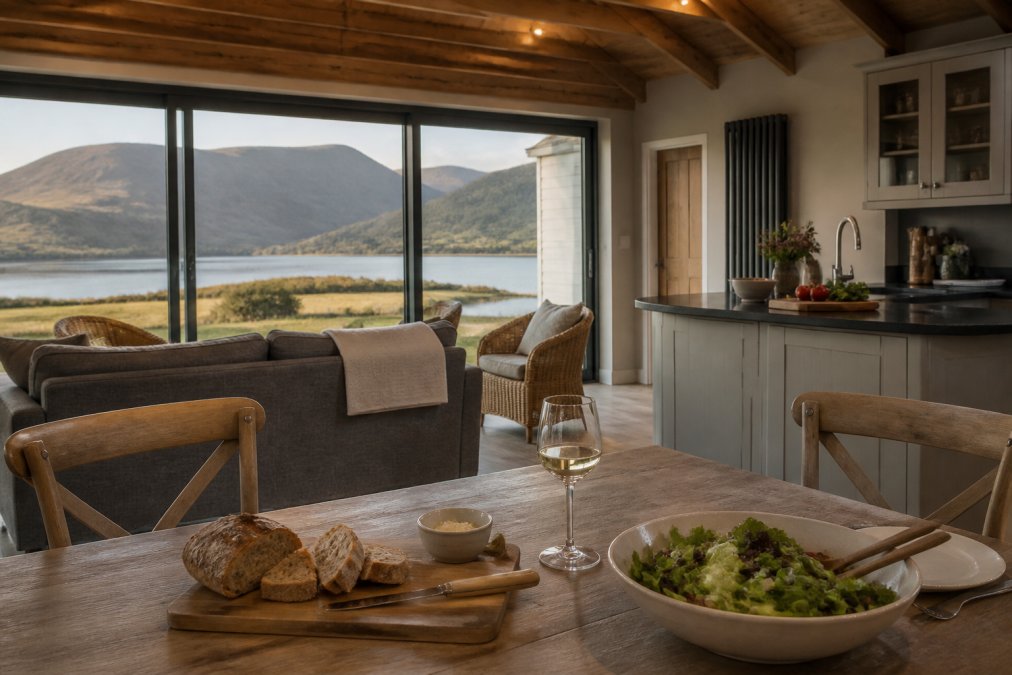
A private self-catering retreat in the Scottish Highlands combines luxury accommodation with independence and flexibility. Unlike hotels, these properties hand you the keys to a fully equipped home with premium furnishings, modern kitchens, and amenities like hot tubs, log fires, and spa facilities. You cook when you want, eat what you choose, and set your own rhythm.
What separates premium from standard is meticulous attention. Handmade beds instead of mass-produced frames. Gourmet breakfast provisions and locally sourced ingredients stocked before arrival. Owners like Claire and Douglas at Skye Lodge understand that luxury self-catering removes friction, you arrive to a property that anticipates your needs with curated local knowledge and genuine hospitality.
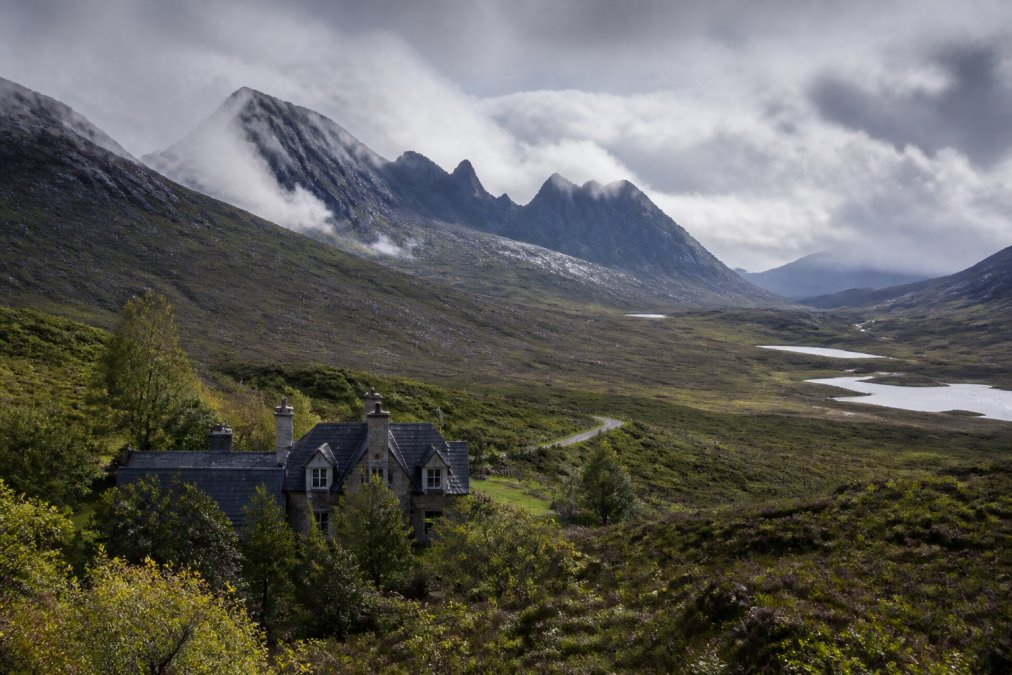
The Highlands offer isolation paired with access. You're minutes from Dunvegan Castle, the Cuillin mountains, and dramatic landscapes, yet your retreat feels like a private hideaway where the world stops at the gate.
Luxury Self-Catering Lodges with Hot Tubs and Spa Amenities
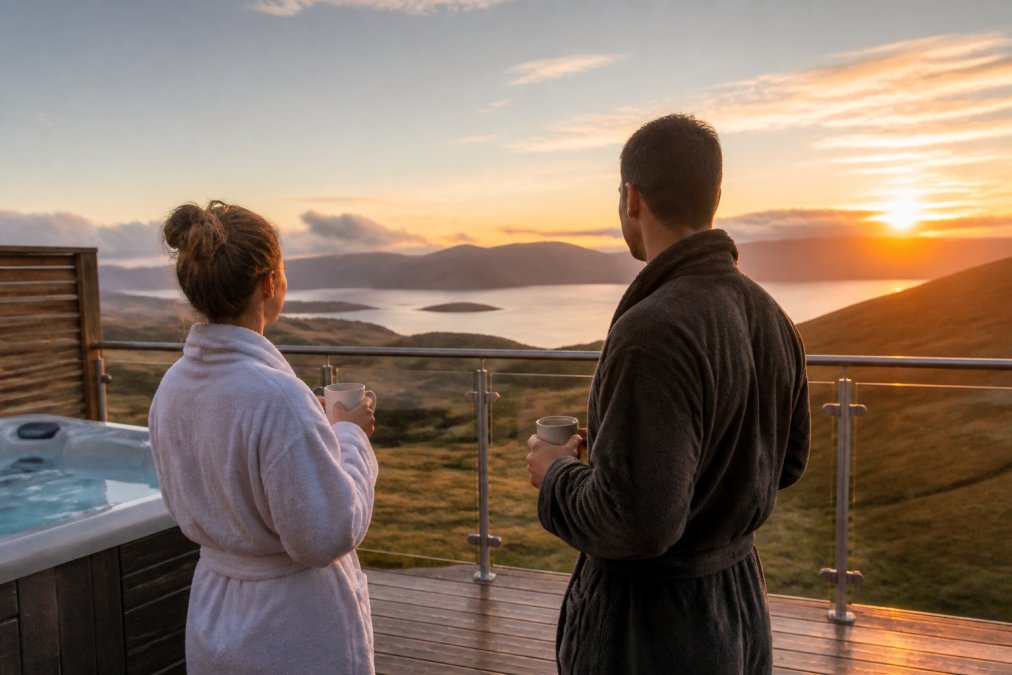
Hot tubs and spa facilities have become central to luxury self-catering in the Highlands. After a full day hiking or exploring remote lochs, sinking into a heated outdoor tub under the stars transforms a good break into an unforgettable one.
The best lodges position hot tubs for views, you soak whilst watching the landscape rather than staring at a fence. Some include saunas or steam rooms, creating a mini spa experience without leaving the property. High-end lodges typically feature wood-fired hot tubs or modern jet-tub systems with temperature control, heated towel rails, and premium toiletries.
The practical advantage is significant: a hot tub eliminates the need for spa days in town. The amenity comes to you, on your schedule, which is precisely what luxury self-catering promises.
Romantic Retreats for Couples and Intimate Getaways
Romance in the Highlands emerges from isolation, dramatic scenery, and freedom to move at your own pace. You're genuinely alone with your partner in one of the most beautiful landscapes in the British Isles.
The best romantic properties understand this. Thoughtful details matter: a wood-burning stove, quality linens on a handmade bed, a kitchen stocked with local ingredients so you can cook together if you choose.
Access to restaurants like The Three Chimneys or The Stein Inn, both within 15 minutes of Skye Lodge, means you can book a table and return to your private space afterwards. The itinerary shapes the experience: sunrise from a mountain ridge, sunset from a private terrace, a walk along a deserted beach. Self-catering gives you freedom to create these moments without syncing with tour times or group schedules.
Family-Friendly and Group Accommodation Options
Family-friendly means space for children to move safely, kitchens equipped for cooking family meals, and proximity to activities that work for mixed ages.
Group accommodation requires different thinking. You need multiple ensuite bedrooms, a large communal kitchen, and outdoor space where people can split into smaller groups. Skye Lodge explicitly offers exclusive group bookings for 4-10 persons, with bespoke hospitality from the owners. This isn't a shared property; it's a private hire where the entire lodge is yours.
What separates excellent group accommodation from mediocre is anticipation. A property that stocks the kitchen for a family of six, provides high chairs and travel cots without asking, and offers a detailed booklet of child-friendly walks removes friction at arrival.
Benefits of Booking Direct with Lodge Owners
Booking direct with lodge owners changes the equation. You're speaking directly to someone who lives there, knows the area intimately, and has a reputation to protect.
Direct owners answer questions with specificity. Ask Skye Lodge about the best restaurant for a dietary requirement, and you get a personal recommendation from Claire and Douglas, not a generic list. Ask about timing for sunrise viewing or current mountain trail conditions, and you're getting real-time local knowledge.
Flexibility increases when you book direct. Property management companies operate within strict cancellation policies and check-in windows. An owner often has room to negotiate late arrival, special occasions, or other requests. These acts of genuine hospitality aren't contractual obligations.
Pricing often improves. Booking platforms take commission, typically 15-25% of the nightly rate. When you book direct, that margin stays with the owner, who can reduce your cost or reinvest it into the property.
What to Pack for a Self-Catering Break in the Highlands
Self-catering packing differs from hotel travel because you're responsible for your own comfort. Start with clothing that layers. Highland weather is unpredictable, you'll experience sun, rain, and wind in the same day. Thermal base layers, a waterproof jacket, and sturdy walking boots are essential ([EXTERNAL_LINK: advice on walking in the Scottish Highlands | visitscotland.com]). Bring more socks than you think you'll need.
Kitchen items depend on your cooking plans. Most premium properties stock basics like oil, salt, and condiments, but bring specialty ingredients you can't source locally. Toiletries and medications are your responsibility. Remote locations mean pharmacies aren't nearby. Bring adequate supplies for the entire stay, plus extras.
For entertainment, if you're planning quiet evenings, bring books or download films. WiFi exists in most properties, but rural broadband can be unreliable. Board games or a good novel are backup entertainment. For outdoor activities, bring binoculars for wildlife watching, a good camera, a small daypack for walks, and insect repellent.
| Item Category | Essentials | Why It Matters |
|---|---|---|
| Clothing | Layered pieces, waterproof jacket, walking boots | Weather changes rapidly; proper footwear prevents injury |
| Kitchen | Specialty ingredients, cooking basics | Remote locations limit shopping options |
| Health | Medications, first aid, toiletries | Pharmacies aren't nearby; self-reliance is essential |
| Outdoor | Binoculars, daypack, camera, insect repellent | Enhances hiking and wildlife experiences |
| Entertainment | Books, downloaded content, games | Rural WiFi is unreliable; offline options matter |
Contact the property owner before packing. Ask what's provided in the kitchen, WiFi reliability, and whether laundry facilities exist. This conversation eliminates packing mistakes and ensures you arrive prepared.
Planning Your Itinerary: From Dunvegan Castle to the Cuillin Mountains
The mistake most visitors make is treating the Highlands as a checklist. That approach misses what makes the landscape remarkable: the quieter moments and the landscape's scale.
Skye Lodge recommends a 3-night, 5-day itinerary for good reason. It's enough time to see major landmarks without rushing. The first night is for arrival and settling. The second day can be dedicated to Dunvegan Castle and surrounding area; the castle itself takes 2-3 hours ([EXTERNAL_LINK: Dunvegan Castle visitor information | dunvegancastle.com]). The third day works for the Cuillin mountains via hiking or scenic driving. Final days allow slower exploration: coastal walks, villages, local crafts.
Key locations within 15 minutes of Skye Lodge: Dunvegan Castle, Neist Point (the most westerly point of the Isle of Skye, with dramatic cliffs), and access to trails toward the Cuillin mountains. Plan 20 minutes extra for every hour of driving on Highland roads. Mountain roads are narrow and winding but demand respect.
Sunrise and sunset planning separates good trips from memorable ones. Identify locations where you want to experience these moments, a mountain ridge, a beach, a loch shore, and plan your day around reaching them. The light in the Highlands during these hours is extraordinary.
Restaurant bookings are essential. The Three Chimneys, The Stein Inn, and Edinbane Lodge are excellent but popular. Book weeks in advance. Skye Lodge can advise on alternatives if your preferred dates are full. Build flexibility into your itinerary. Weather changes, energy levels fluctuate, and unexpected discoveries happen. A rigid schedule defeats the purpose of self-catering.
Why Slow Travel Unlocks the True Highland Experience
The Highlands reward slowness, deliberate, intentional slowness. Fast travel captures photographs but misses understanding. You see Dunvegan Castle but don't absorb its history. You glimpse the Cuillin mountains but don't feel their scale.
Slow travel changes this. Three nights in a single retreat means you stop moving. You wake in the same place. You take the same walk twice and notice different details. You sit in a café and talk to locals. You learn why the landscape looks the way it does.
Self-catering enables slow travel because it removes the hotel rhythm. You're not checking out at 11 AM or syncing with housekeeping schedules. You move at your own pace. Cook breakfast when you want. Spend four hours on a walk if weather is perfect. Return to the lodge and read by the fire if energy dips.
The Highlands themselves demand slowness. They're vast, the weather is variable, and roads are narrow. Rushing creates stress. Accepting the pace, adding 20 minutes to every hour of travel, planning fewer activities, and building rest days transforms the experience from tourism into genuine exploration.
Skye Lodge's philosophy reflects this. The owners believe the island deserves time. They recommend five days for a proper visit because they understand what makes the experience valuable. When you slow down, you discover the island's quieter corners alongside its famous landmarks.
The Scottish Highlands offer a retreat unlike anywhere else in the British Isles: dramatic landscapes, genuine solitude, and the freedom that self-catering provides. Skye Lodge Dunvegan stands apart because it combines luxury accommodation with bespoke hospitality rooted in deep local knowledge. Handmade beds, gourmet breakfasts prepared with locally sourced ingredients, and personalized guidance from owners Claire and Douglas ensure every detail serves your experience. Whether you're planning a romantic escape, a family gathering, or a solo journey of discovery, Skye Lodge provides the sophisticated base you need to explore the island properly. Make A Reservation and discover why slow travel through the Highlands transforms a holiday into a genuine connection with one of the world's most beautiful landscapes.
Frequently Asked Questions
Q: What makes a self-catering retreat different from a traditional hotel stay in the Highlands?
A: A self-catering retreat offers privacy, flexibility, and the comfort of your own space whilst retaining luxury amenities. You control meal times, dining preferences, and daily schedules without housekeeping disruptions. Many retreats feature handmade furnishings, fully equipped kitchens, and personalised hospitality from owner-operators who provide local knowledge and bespoke recommendations, something a standard hotel cannot replicate. This independence combined with premium design creates an intimate, restorative experience.
Q: Why is booking direct with lodge owners beneficial for a private self-catering retreat?
A: Booking directly with lodge owners gives you access to genuine local expertise, flexibility on arrival times, and authentic hospitality. Owners like Claire and Douglas at Skye Lodge can tailor your stay with personalised restaurant recommendations, insider tips on quieter scenic spots, and advice on timing travel to avoid peak hours. Direct bookings often mean no intermediary fees, clearer communication, and the ability to discuss special requirements or group dynamics before arrival. You're building a relationship with people who know every corner of their region.
Q: What should I pack for a self-catering break in the Scottish Highlands?
A: Pack layers: Highland weather changes rapidly, so bring waterproof jackets, thermal base layers, and comfortable walking boots alongside casual knitwear. Include toiletries (lodges may not stock all preferences), medications, and any dietary staples you require. Bring a good camera or smartphone for capturing mountain scenery and wildlife. Pack board games or books for cosy evenings by a wood-burning stove. If you plan outdoor activities like hiking near the Cuillin mountains, include sun cream, insect repellent, and a daypack. Comfortable indoor clothing for relaxing after outdoor adventures is equally important.
Q: How much time should I plan for a self-catering retreat to fully experience the Highlands?
A: Three to five nights allows you to explore beyond famous landmarks and discover quieter corners. A rushed two-night visit means spending half your time travelling and settling in. With three nights minimum, you can visit Dunvegan Castle one day, explore Neist Point and coastal routes another, and venture into the Cuillin mountains or nature trails on the third. This pace aligns with the philosophy that slow travel reveals authentic Highland character, sunrise and sunset viewing points, local artisan workshops, and undiscovered walking routes all require unhurried exploration.