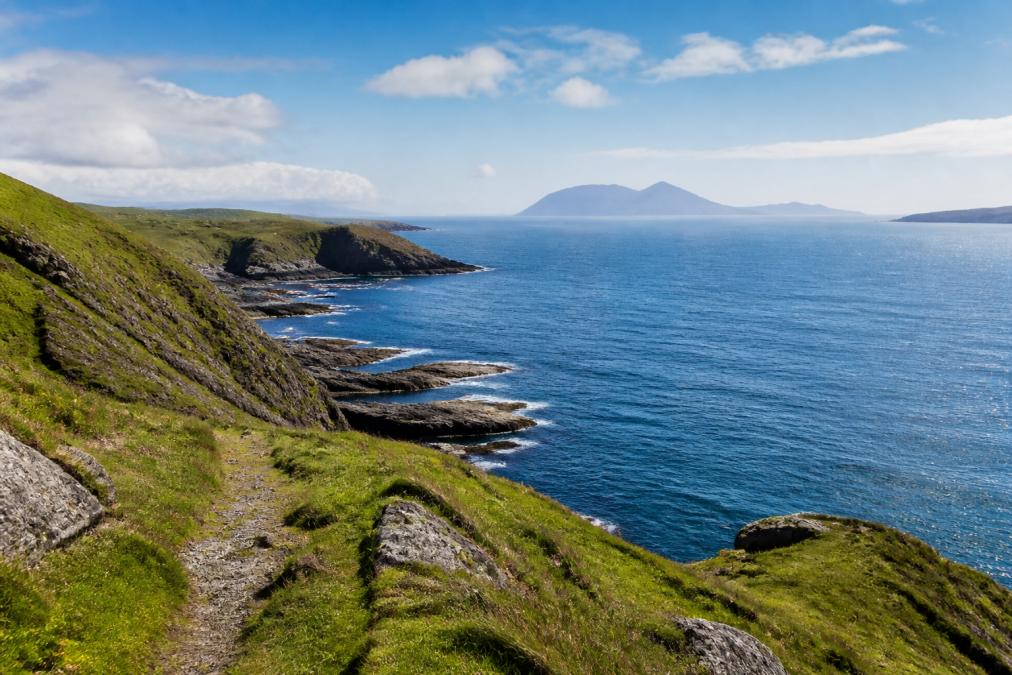
 listicle
Quiet Corners of the Isle: Hidden Gems Away From Crowds
Table of Contents
- Why Quiet Corners Matter on the Isle
- Coral Beach, Claigan: Turquoise Waters Without the Crowds
- Loch Coruisk: A Wilderness Experience in the Cuillin Mountains
- Rubha Hunish: The Remote Clifftop Lookout at Skye's Northern Tip
- Brother's Point and Elgol: Secluded Coastal Peninsulas
- Hidden Gems Isle of Skye: Oronsay Island and Scorrybreac Circuit
- Avoiding Crowds Isle of Skye: Timing and Strategic Planning
- Best Time to Visit for Solitude: Seasonal Calendar and Off-Peak Advantages
- Frequently Asked Questions
Last Updated: August 14, 2026
Why Quiet Corners Matter on the Isle
Most visitors rush between Instagram hotspots like Old Man of Storr and Fairy Pools, shoulder-to-shoulder with hundreds of others. The real beauty of the Isle lies in its quiet corners, where you can stand alone with wind, water, and stone. Finding these hidden gems Isle of Skye transforms a rushed holiday into something genuinely restorative.
The island's popularity has surged in recent years, yet the Isle remains vast, over 600 square miles of moorland, mountain, and coastline. Most tourists never venture beyond main roads. The difference between a crowded attraction and a peaceful discovery often comes down to timing, terrain difficulty, and willingness to walk an extra twenty minutes.
Coral Beach, Claigan: Turquoise Waters Without the Crowds
Coral Beach deserves to be famous. The sand is crushed white coralline seaweed called maerl, which gives the beach its distinctive appearance and the water an almost tropical turquoise hue. Yet it remains far quieter than the island's main attractions, particularly if you visit outside July and August or time your visit for late afternoon.
The beach sits near Dunvegan on the west coast, accessible via a twenty-minute walk from the car park. This modest walk filters out casual visitors looking for quick photo opportunities. The beach stretches roughly half a mile, backed by low cliffs and offering unobstructed views towards the Outer Hebrides. On clear days, the visibility is remarkable.
Timing matters here. Visit between 4 and 6 p.m. in summer, and you'll likely have the beach largely to yourself while others queue for sunset at more famous viewpoints. Winter months see far fewer visitors overall, though weather becomes unpredictable. Spring and autumn offer the best balance of decent weather and minimal crowds.
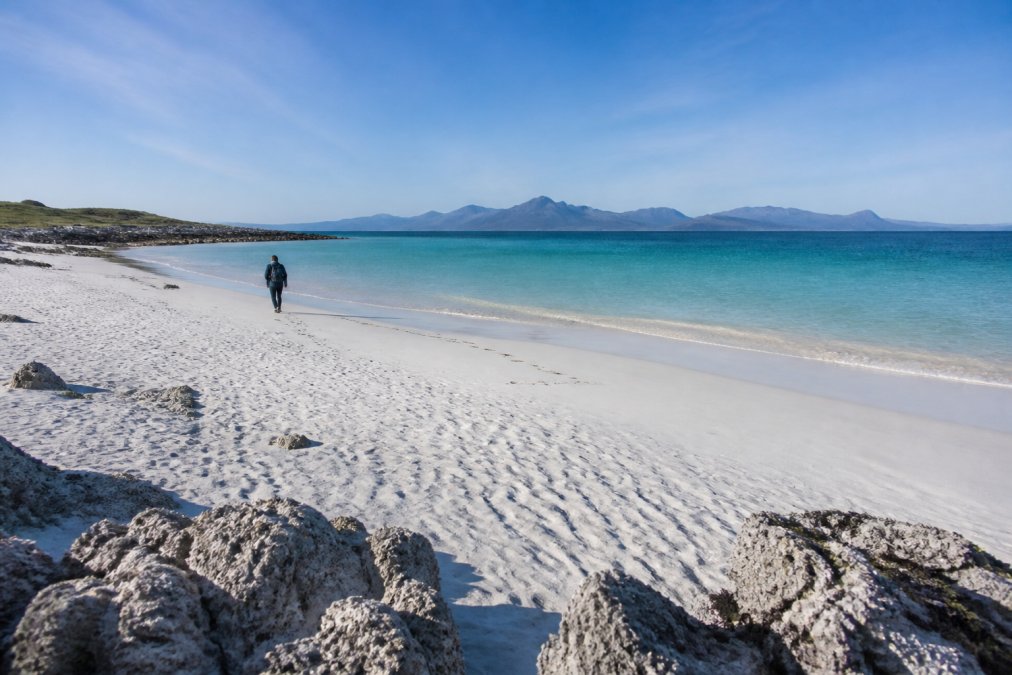
Skye Lodge, situated on the westerly coastline near Dunvegan, sits perfectly positioned for accessing Coral Beach. The owners can provide current tide information and suggest the quietest times to visit based on the season.
Loch Coruisk: A Wilderness Experience in the Cuillin Mountains
Loch Coruisk is a genuine wilderness experience, a freshwater loch cradled by the dramatic peaks of the Cuillin Mountains, accessible only by boat or an eight-mile walk from Sligachan.
Most visitors reach it via boat from Elgol, a forty-minute journey that offers wildlife spotting opportunities: seals, sea eagles, and occasionally dolphins. The alternative is the eight-mile trek from Sligachan, a four to five-hour walk crossing moorland and climbing gradually into the mountains. This route means you arrive with far fewer people.
Once there, the experience justifies the effort. The water is crystalline, mountains rise steeply on three sides, and the sense of remoteness is absolute. There are no facilities, no crowds, and no noise except wind and water. Weather changes rapidly in the mountains, what starts as clear skies can turn to cloud and rain within minutes.
Rubha Hunish: The Remote Clifftop Lookout at Skye's Northern Tip
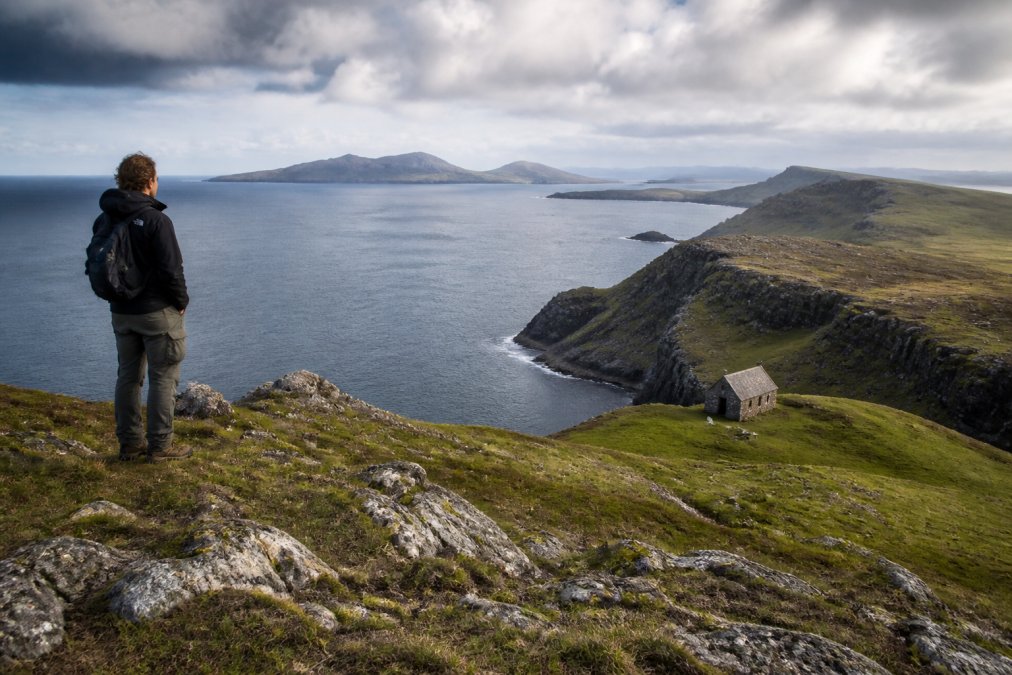
Rubha Hunish marks the northernmost tip of the Isle, a dramatic headland where cliffs rise steeply from the sea. The walk to reach it is roughly thirty minutes from the car park, but the terrain is rougher than Coral Beach, and exposure to wind is greater. This combination means relatively few visitors make the journey.
The headland features a small stone lookout bothy, a simple shelter built into the landscape. Standing inside it on a windy day, looking out across the sea towards the Outer Hebrides and the Scottish mainland beyond, you feel simultaneously isolated and connected to something vast.
The clifftop walk offers exceptional opportunities for wildlife spotting. Puffins nest here during breeding season (roughly April to August), and you may see them diving for fish or perched on the cliff edge. Sea eagles are increasingly common, and on clear days, you might spot dolphins or whales in the waters below.
The exposed nature of the headland means weather dominates the experience. On calm days, it's peaceful and magnificent. On windy days, which are common, it becomes genuinely challenging to stand upright. Despite these challenges, Rubha Hunish remains genuinely quiet, a landscape that feels untouched by tourism.
Brother's Point and Elgol: Secluded Coastal Peninsulas
Brother's Point, known locally as Rubha nam Brathairean, sits on the southern coast near Elgol. The walk takes roughly ninety minutes to two hours, following a coastal path through moorland and descending to a dramatic peninsula. The peninsula terminates in a rocky beach, accessible at low tide, with views encompassing the Cuillin Mountains and, on clear days, the Scottish mainland.
What makes Brother's Point special is the combination of moderate difficulty and exceptional scenery. It's challenging enough to deter casual visitors but not so difficult that it requires serious mountaineering skills. Most people who make the effort find themselves largely alone, particularly outside peak summer months.
Elgol itself is worth exploring separately. The village sits at the southern tip of the Isle, accessible via a single-track road through moorland. The beach at Elgol is rocky, backed by steep cliffs and offering unobstructed views across Loch Scavaig to the Cuillin Mountains. Sunset here is genuinely spectacular, yet Elgol remains far quieter than famous viewpoints, partly because the single-track road deters coach tours and partly because it requires a deliberate detour from the main tourist circuit.
Hidden Gems Isle of Skye: Oronsay Island and Scorrybreac Circuit
Oronsay Island sits off the coast near Ullinish on the western side of the Isle. It's accessible only via a tidal causeway that appears and disappears with the tide, a feature that limits visitor numbers. You can only reach Oronsay during a window of roughly four to five hours around low tide, and you must leave before the tide returns.
This tidal nature creates a natural crowd-control mechanism. Only visitors willing to plan around tide times can access it. Those who do find themselves on a genuinely remote island with minimal infrastructure and few other people. The walk around the island takes roughly an hour through wild moorland and rocky terrain. The experience of walking to a tidal island carries psychological weight, you're on an island accessible only through a narrow window of opportunity.
The Scorrybreac Circuit offers a different kind of quiet gem. This walk follows the shoreline of Portree Bay, roughly forty-five minutes to an hour. It's accessible directly from Portree, the largest settlement on the Isle, yet remains far quieter than most island attractions. The path offers views across the water towards the Isle of Raasay and Ben Tianavaig.
What makes Scorrybreac special is accessibility combined with solitude. It requires no special equipment, no tide timing, no significant fitness level. Yet it remains largely overlooked by tourists, probably because it lacks the dramatic scenery of more famous locations.
Avoiding Crowds Isle of Skye: Timing and Strategic Planning
The single most effective strategy for finding quiet corners Isle of Skye is strategic timing. Crowds follow predictable patterns.
Peak season runs from late June through August, with July and August representing the absolute busiest months. If you must visit during peak season, plan to visit major attractions either before 9 a.m. or after 4 p.m.
Shoulder seasons, May to early June and September to early October, offer the best balance of decent weather and manageable crowds. Days are reasonably long, temperatures remain mild, and most attractions are accessible without the summer crush. Many visitors overlook these periods, assuming poor weather. In reality, weather is often excellent, and dramatic skies create their own appeal.
Winter months (November through February) see minimal tourism. Weather becomes genuinely challenging, but for visitors willing to embrace these conditions, winter offers unparalleled solitude. Many locations that are crowded in summer become completely empty.
Beyond seasonal timing, specific planning strategies amplify your chances of solitude. Most tourists visit popular viewpoints between 10 a.m. and 3 p.m. By visiting outside these hours, you'll encounter far fewer people. Similarly, by deliberately seeking lesser-known locations requiring slightly more effort, you'll consistently find yourself alone.
Having access to a car and planning multi-day stays that allow you to explore at your own pace makes an enormous difference.
Best Time to Visit for Solitude: Seasonal Calendar and Off-Peak Advantages
Spring (March to May): Days lengthen rapidly, temperatures gradually warm, and vegetation begins to green. Tourist numbers are minimal until mid-May. Late May offers excellent weather and still-manageable crowds.
Summer (June to August): Long days, warmest temperatures, and most reliable weather. Unfortunately, this is peak tourist season. June sees moderate crowds; July and August are overwhelmingly busy.
Autumn (September to October): Days shorten gradually, temperatures cool, and tourist numbers drop significantly after summer holidays end. The light becomes dramatic, with lower angles creating longer shadows and richer colours. September offers summer-like conditions with autumn's reduced crowds.
Winter (November to February): Days are short, temperatures hover around freezing, and snow is possible at higher elevations. Tourist numbers are minimal. For visitors prepared for challenging conditions, winter offers unparalleled solitude and dramatic landscapes.
For most visitors seeking quiet corners Isle of Skye, late May and September to early October represent optimal windows, good weather, manageable crowds, and sufficient daylight for full days of exploration.
| Season | Crowds | Weather | Best For | Challenges |
|---|---|---|---|---|
| Spring (Mar-May) | Very low to low | Improving, variable | Photographers, solitude seekers | Short days early season |
| Summer (Jun-Aug) | High to overwhelming | Best, most reliable | Families, casual visitors | Peak crowds Jul-Aug |
| Autumn (Sep-Oct) | Low to moderate | Variable, dramatic light | Solitude with decent conditions | Shorter days, rain |
| Winter (Nov-Feb) | Very low | Challenging, unpredictable | Serious hikers, adventurers | Cold, snow, short days |
The advantage of visiting during off-peak periods extends beyond crowd avoidance. Accommodation is more available and often discounted. Restaurants have tables without advance booking. Local businesses operate at a more relaxed pace, and staff have time for genuine conversation.
Skye Lodge, situated on the westerly coastline, offers the ideal base for exploring the island's quieter locations. The owners can provide specific guidance on timing visits to avoid crowds, recommend locations based on current weather conditions, and suggest itineraries that prioritize solitude.
Finding quiet corners Isle of Skye requires planning, but the rewards justify the effort. The island's most spectacular locations remain accessible to visitors willing to venture slightly beyond the main tourist circuit, to time their visits strategically, and to embrace the slower pace that genuine exploration demands. Make a reservation at Skye Lodge, and let their expertise guide your discovery of the island's most peaceful corners.
Frequently Asked Questions
What are some hidden gems on the Isle of Skye that most tourists miss?
Oronsay Island near Ullinish is one of the most secluded spots, accessible only at low tide via a causeway, offering a true off-the-beaten-path experience. Rubha Hunish, the northernmost tip, rewards hikers with dramatic clifftop views and wildlife spotting with minimal foot traffic. Scorrybreac Circuit near Portree provides a quiet coastal walk ideal for those seeking peace without lengthy travel. Each location requires a walk or specific timing to reach, which naturally deters large coach groups and casual visitors.
How can I avoid the crowds during peak season on the Isle?
Visit locations requiring a walk to access, Coral Beach needs a 20-minute walk, Rubha Hunish requires 30 minutes, and Brother's Point takes 1.5-2 hours. Single-track roads (like the route to Elgol) deter tour coaches. Plan visits for early morning or late afternoon when day-trippers have left. Book accommodation with local knowledge; owners at places like Skye Lodge can guide you to quieter spots and advise on real-time crowd patterns. Avoid midday arrivals at famous sites like Portree and the Old Man of Storr.
What is the best time to visit the Isle for solitude and tranquility?
Late September through early November offers autumn colours with significantly fewer visitors after the school holidays end. April and May bring spring wildflowers and milder weather with lighter crowds than summer. Winter (December-February) is quietest but expect short daylight hours and challenging weather. Avoid July and August entirely, peak season brings coach tours and congestion. Mid-week visits (Tuesday-Thursday) are quieter than weekends year-round. Add 20 minutes to every hour of travel time on highland roads, and plan sunrise or sunset viewing spots in advance to make the most of limited daylight.
Are there any lesser-known walking routes for a peaceful experience?
Scorrybreac Circuit offers a gentle shoreline walk near Portree Harbour with sea eagle sightings and views towards Raasay, far quieter than main tourist trails. Oronsay Island's tidal loop walk provides a unique, remote experience dependent on tide times. Brother's Point delivers dramatic coastal scenery on a 1.5-2 hour walk with fewer crowds than famous hikes. Loch Coruisk requires either an eight-mile challenging walk from Sligachan or a boat trip from Elgol, ensuring only dedicated hikers reach this wilderness loch surrounded by the Cuillin mountains.
What should I pack for exploring quiet corners safely?
Weather changes rapidly on the island, bring waterproof jackets, sturdy walking boots with ankle support, and extra layers even in summer. A detailed map and compass are essential for remote areas; mobile signal is unreliable in wilderness zones. Pack high-energy snacks, water, and a headtorch if visiting during shoulder seasons with limited daylight. For tidal locations like Oronsay, check tide times in advance and allow extra time. Respect Leave No Trace principles: take all rubbish with you, stay on marked paths where they exist, and avoid disturbing wildlife habitats, particularly nesting areas for puffins and sea eagles.