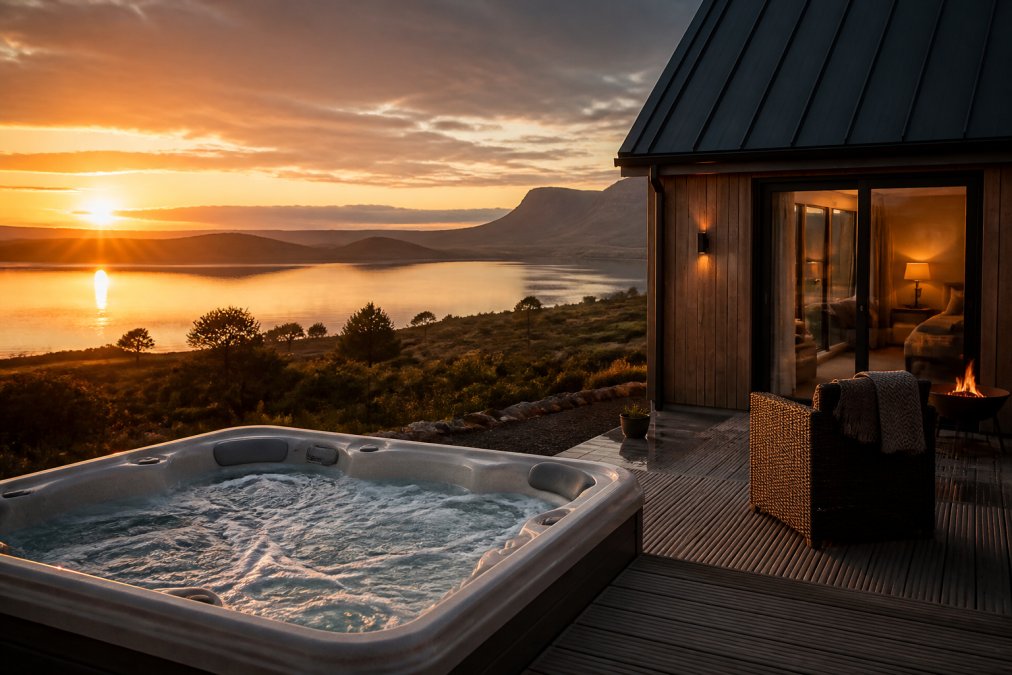
 listicle
Secluded Holiday Cottages With Private Hot Tubs
Table of Contents
- Why Secluded Holiday Cottages With Private Hot Tubs Offer the Ultimate Escape
- What to Pack for a Hot Tub Cottage Break
- Romantic Secluded Getaways With Hot Tubs: Finding Your Perfect Match
- Best Time to Book a Hot Tub Holiday for Peak Tranquillity
- Types of Secluded Retreats: Countryside, Coastal and Off-Grid
- Hot Tub Maintenance and Safety Etiquette for Your Stay
- Planning Your Secluded Escape: What Matters Most
- Frequently Asked Questions
Last Updated: August 26, 2026
Why Secluded Holiday Cottages With Private Hot Tubs Offer the Ultimate Escape
When you're soaking in warm water beneath open skies, far from everyday noise and demands, something shifts. Your nervous system settles. Conversation deepens. Time moves differently.
Secluded holiday cottages with private hot tubs combine tranquillity with the freedom to relax entirely on your own terms. Unlike hotel spas where you share facilities and schedules, a private hot tub is yours alone. No waiting. No strangers. No compromises on temperature, timing, or atmosphere.
According to the UK Tourism Board's 2026 wellness travel report, bookings for secluded self-catering cottages with outdoor amenities have grown steadily, with couples and small groups prioritising properties offering both isolation and hydrotherapy benefits. The trend reflects a broader shift toward experiences combining rest with genuine privacy.
At Skye Lodge, we've observed firsthand how the right retreat transforms a break. Guests arrive stressed and leave restored. The difference isn't just location, it's having a space where you can unwind completely, without performing for anyone else. A private hot tub becomes the centrepiece of that transformation.
This guide explores what makes secluded holiday cottages with private hot tubs genuinely worth booking, how to choose the right one for your needs, and the practical details that separate a mediocre stay from one you'll remember for years.
What to Pack for a Hot Tub Cottage Break
Most people overpack for hot tub holidays. The reality is simpler: you need far less than you think.
Start with essentials: a quality bathing costume, lightweight cover-up, and a thick, absorbent towel that dries quickly. Many cottages provide towels, but bringing your own ensures you have exactly what you want.
Thermal layers matter more than expected. Even in summer, evenings cool down once you step out of hot water. A simple fleece or wool jumper prevents that jarring temperature shock. Thermal socks are worth their weight, your feet cool fastest after leaving a hot tub.
For skincare, bring moisturiser. Hot water dries skin, and minerals in many hot tubs compound this. Apply moisturiser immediately after soaking, while your skin is still slightly damp. This locks in hydration far more effectively than applying it to completely dry skin.
Consider packing a waterproof speaker if the cottage doesn't provide one. Ambient music transforms the hot tub experience. Soft background sound deepens the sense of escape. Keep volume low enough for conversation.
Bring minimal makeup and skincare products. Hot water and steam compromise most makeup within minutes. A simple cleanser, toner, and moisturiser are all you need.
Pack one or two books, but don't expect to read much. Most people arrive planning to read and end up spending their time talking, soaking, and simply being still.
One item most people forget: a waterproof bag or container for phones and keys. You'll want these nearby but dry.
Romantic Secluded Getaways With Hot Tubs: Finding Your Perfect Match
The best romantic retreats eliminate distractions. A private hot tub creates a natural focal point for your evening, a reason to slow down and be fully present with another person.
When choosing a romantic getaway, prioritise location over size. A smaller cottage in a genuinely isolated spot delivers more romance than a sprawling lodge surrounded by other properties. Look for descriptions mentioning "secluded," "woodland," or "off the beaten path."
Water temperature and tub design matter significantly. The best romantic hot tubs maintain 38-40°C, warm enough for deep relaxation but not so hot that you can only stay in for short periods. Check whether the tub comfortably fits two people and whether it's positioned to face a view.
Timing your stay affects the experience dramatically. Late spring and early autumn offer ideal balance: warm enough that stepping out isn't uncomfortable, but cool enough that the contrast feels luxurious.
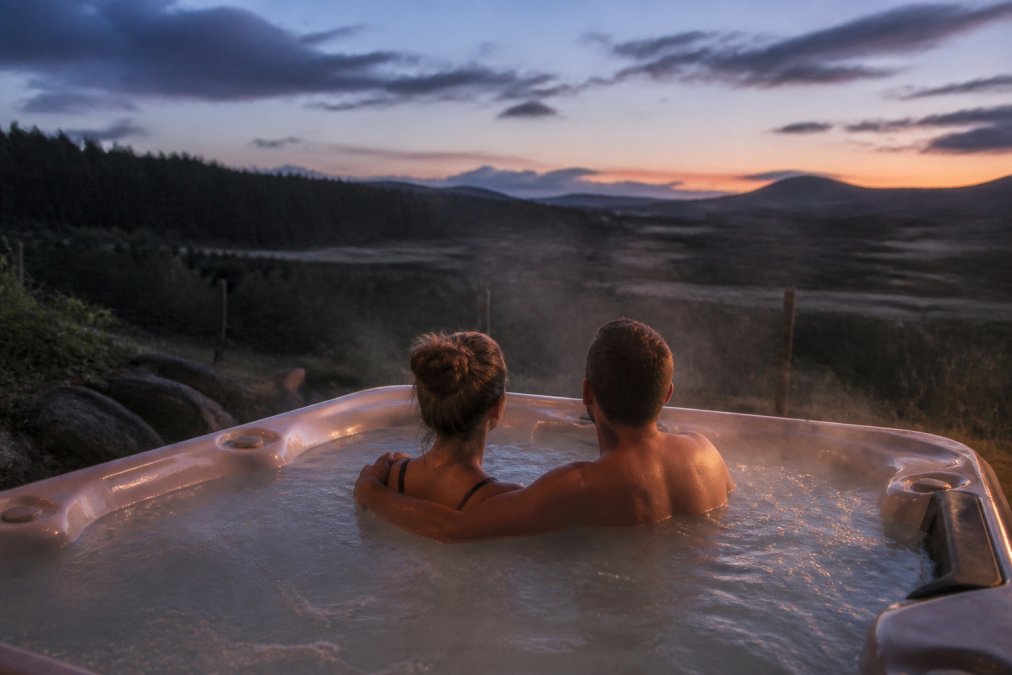
Consider privacy from neighbouring properties. Some "secluded" cottages are actually part of small clusters where other guests can see into your space. Ask directly about sight lines and distance to nearest neighbours. True seclusion means you can soak without worrying about being observed.
Lighting transforms a hot tub experience. The best setups include dimmable outdoor lights or the option to soak under stars. Darkness and starlight create far more intimacy than artificial light.
Hot tub maintenance should be straightforward and not your responsibility. Avoid cottages expecting guests to manage water chemistry and cleaning. Your romantic break shouldn't involve chlorine testing.
Best Time to Book a Hot Tub Holiday for Peak Tranquillity
Timing your booking wrong can undermine everything else you've planned. Busiest periods, school holidays, bank holidays, and peak weekends, transform "secluded" cottages into places where you hear other guests and feel background activity.
If tranquillity is your priority, book during term time or shoulder seasons. Late September through early November offers exceptional value and atmosphere. Weekday stays amplify this effect; a Wednesday-to-Friday break in October feels genuinely remote in ways a weekend never does.
January through March is genuinely quiet, but the trade-off is weather. Expect shorter days, colder temperatures, and possible snow or ice affecting road access.
School holidays make cottages less tranquil. Families book heavily during these periods. The weeks immediately before and after school holidays often offer better value and fewer neighbours.
According to the UK holiday rental market analysis from Statista, booking availability peaks in August and December, with prices rising accordingly. The quietest and most affordable periods are January, February, May, and September, precisely when you're most likely to have a genuinely peaceful experience.
Skip bank holidays unless you have no other option. You'll pay premium rates for a period when other guests are also trying to escape.
Book midweek whenever possible. A Tuesday-to-Thursday break costs substantially less than Friday-to-Sunday and delivers a fundamentally different experience. Midweek guests tend to be couples seeking genuine rest rather than families or groups seeking activity.
Types of Secluded Retreats: Countryside, Coastal and Off-Grid
Not all secluded retreats deliver the same experience. The setting fundamentally shapes what your stay feels like and what kind of escape you'll actually get.
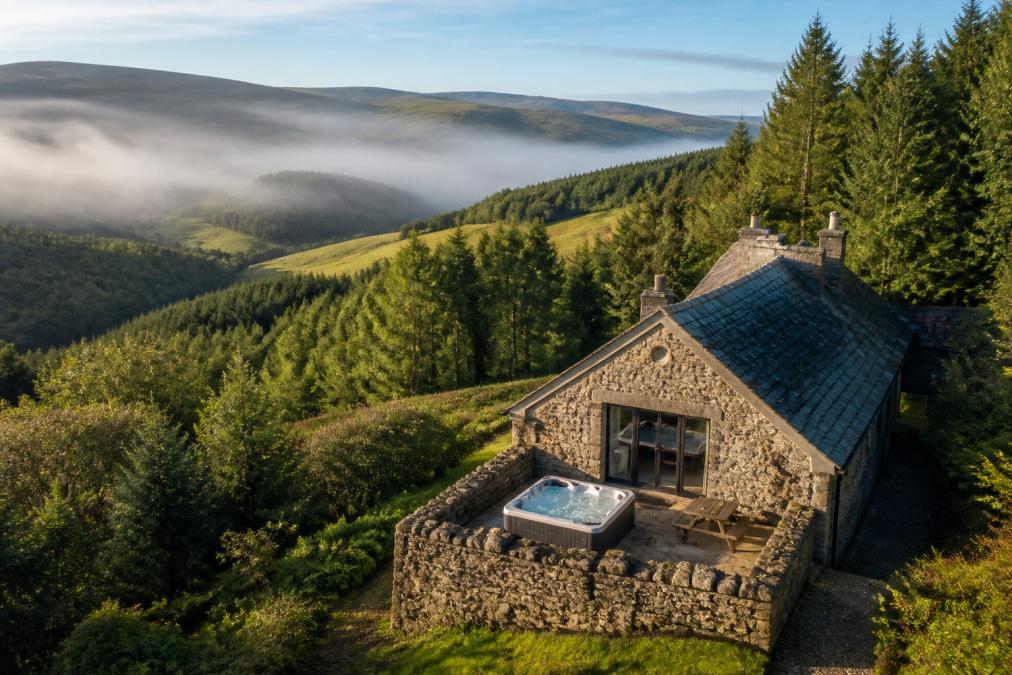
Countryside cottages offer accessibility combined with isolation. You're close enough to villages for restaurants and shops, but far enough from roads that you experience genuine quiet. Rolling hills, woodland views, and pastoral landscapes create peace without the intensity of more remote locations. Most are accessible by standard car, and mobile signal is reliable. This is the sweet spot for people wanting seclusion without complications.
Coastal retreats deliver drama. Cliffs, beaches, and seascapes create a different kind of tranquillity, one that's energising rather than purely restful. Soaking in a hot tub while watching waves creates a sense of boundlessness. The trade-off is exposure. Coastal properties are windier, saltier, and less sheltered than countryside alternatives.
Off-grid cottages represent the deepest form of escape. These properties generate their own power, manage their own water, and operate independently from infrastructure. They're genuinely remote, often reachable only by rough tracks, with no mobile signal and no nearby amenities. Off-grid stays attract people seeking complete disconnection.
Off-grid properties require a specific mindset. You need to be comfortable with limited heating, no internet, and basic facilities. If you're accustomed to modern conveniences, the reality can feel uncomfortable rather than romantic.
The choice between these three comes down to what "escape" means to you. Countryside offers peace with convenience. Coastal offers drama with accessibility. Off-grid offers intensity with genuine isolation.
Hot Tub Maintenance and Safety Etiquette for Your Stay
Hot tub safety and maintenance aren't optional extras, they're essential for both your wellbeing and the property owner's liability.
Water temperature should sit between 37-40°C. Anything hotter carries genuine risks. Prolonged exposure at 41°C or above can elevate core body temperature dangerously, particularly if you've consumed alcohol. Limit your initial soak to 15-20 minutes if you're new to hot water immersion.
Never enter a hot tub immediately after alcohol consumption. Alcohol dilates blood vessels and impairs your ability to regulate body temperature. Combined with heat, this creates a dangerous situation where you might not recognise overheating. Wait at least two hours after drinking before soaking.
Shower before entering. This reduces the load on the water filtration system and prevents bacteria from multiplying.
Some cottages require guests to manage basic maintenance, adding chemicals or checking pH levels. If yours does, ask for clear instructions before your first use. Don't guess, improperly balanced water can irritate skin and eyes.
Check whether the hot tub has automatic filtration or requires manual attention. Understand your responsibility before soaking.
Never drain and refill a hot tub yourself unless the owner explicitly instructs you to. Assume you shouldn't do this unless told otherwise.
If you notice cloudy water, unusual odours, or visible debris, stop using the tub immediately and contact the property owner. These are signs of filtration failure or chemical imbalance.
Planning Your Secluded Escape: What Matters Most
The difference between a good secluded cottage break and an exceptional one often comes down to planning details most people overlook.
Start by clarifying what "secluded" means to you. Does it mean no other guests visible? No road noise? No mobile signal? These are different things. Read reviews specifically for mentions of noise, neighbours, and isolation. Specific observations ("couldn't hear any neighbouring properties") tell you what you'll actually experience.
Check the hot tub specification carefully. Ask: How many people does it comfortably fit? What's the water temperature range? Is it heated year-round? Does the owner maintain it, or do you? Some owners are meticulous; others are casual. This directly affects your experience.
Confirm the cottage's actual capacity and layout. Ask for room dimensions, not just "sleeps 4." If you're booking for couples, ask whether bedrooms are separate or adjoining.
Verify accessibility to the cottage. Some "secluded" properties require driving on rough tracks or walking the final stretch. Ask directly about access.
Plan your dining strategy in advance. Many secluded cottages are genuinely remote from restaurants. Research restaurant locations and booking policies before arriving. According to the UK hospitality booking data from OpenTable, popular restaurants in rural areas book weeks in advance during peak season.
Understand what activities are actually available nearby. Read reviews for mentions of specific activities. If the cottage appeals partly because of nearby attractions, verify these are genuinely accessible and open during your stay.
Bring a detailed map or download offline maps on your phone. Rural properties often have poor GPS accuracy, and mobile signal can be unreliable.
Check the cottage's cancellation policy before booking. Understand your flexibility and whether travel insurance is worth purchasing.
Finally, set realistic expectations about what a secluded break delivers. It's not a spa retreat with staff attending to your needs. It's a private space where you control your schedule entirely. If that appeals to you, if the idea of days without external demands sounds restorative, then a secluded cottage with a private hot tub is exactly what you need.
For those seeking this specific blend of luxury and isolation, Skye Lodge on the Isle of Skye delivers both. Positioned on the westerly coastline with loch views and handmade beds in every room, it provides the kind of sophisticated base that transforms a break from simple rest into genuine restoration. The personalised hospitality from owners Claire and Douglas means you're not navigating a remote location alone. Whether you're booking for two nights or the full five-day experience, the foundation is there for the kind of peace that's increasingly rare.
A genuinely secluded break requires clarity about what seclusion means to you, attention to practical details that shape your experience, and honesty about whether you'll actually enjoy being truly remote. Get these right, and a hot tub cottage break becomes the kind of escape that stays with you long after you've returned home. At Skye Lodge, we help guests navigate these decisions with the local knowledge and bespoke guidance that transforms a booking into a retreat you'll want to repeat.
Frequently Asked Questions
What should I look for when booking a secluded holiday cottage with a private hot tub?
Prioritise location, amenities, and authenticity of seclusion. Check whether the cottage offers genuine privacy, verify hot tub maintenance practices, and confirm nearby attractions match your interests. Read recent guest reviews focusing on tranquillity and hot tub condition. Confirm the property sleeps your group size comfortably and offers self-catering facilities or dining options. Ask hosts directly about their personal involvement in your stay and local knowledge they can share.
What is the best time of year for a secluded hot tub holiday?
Autumn and early winter (September to November) offer stunning scenery with fewer crowds and crisp evenings perfect for hot tub relaxation. Spring (April to May) provides mild weather and wildflower landscapes. Summer attracts the most visitors, so book well ahead if you prefer peak season. Winter is magical for stargazing and snow-covered views, though weather can be unpredictable. Consider school holidays and bank holidays when planning, as prices often rise and availability drops.
Are private hot tubs at secluded holiday cottages cleaned between guests?
Reputable properties drain and thoroughly clean hot tubs between guests, checking water chemistry and equipment. Always ask hosts about their specific cleaning protocols before booking. Verify they use appropriate sanitisation methods and test water quality. Request confirmation in writing and check recent reviews mentioning hot tub cleanliness.
Do secluded cottages usually offer self-catering facilities?
Most secluded holiday cottages provide full self-catering kitchens with modern appliances, allowing you to prepare meals independently. Many include welcome hampers with local produce. Some offer optional meal delivery or partnerships with nearby restaurants. Confirm kitchen facilities and any dietary requirements when booking. Check whether local shops are accessible by car and plan grocery shopping accordingly, especially for remote properties.