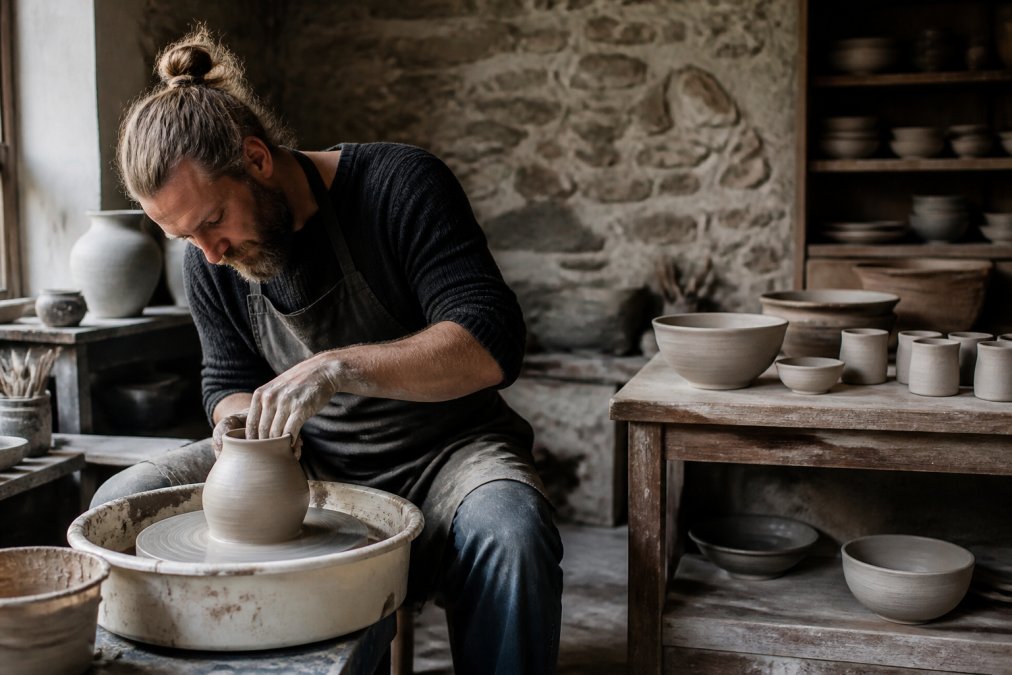
 ultimate-guide
Authentic Artisan Craft Tours: A Guide to Island Makers
Table of Contents
- Why Artisan Craft Tours Matter on the Isle of Skye
- The Best Local Craft Workshops to Visit
- Scenic Craft Trails and Routes Across the Island
- How to Find Authentic Local Delicacies and Artisan Food
- Planning Your Multi-Day Craft Tour: Logistics and Booking
- Hands-On Workshops and Skill-Based Learning Opportunities
- Conclusion
- Frequently Asked Questions
Last Updated: August 17, 2026
Why Artisan Craft Tours Matter on the Isle of Skye
The island's creative community has spent generations perfecting traditional Scottish craftsmanship. Yet most visitors rush through in two days, missing the quieter studios where the real work happens. An artisan craft tour changes that entirely, it's the difference between seeing the island and understanding it.
When you step into a textile artist's studio or watch a blacksmith work molten metal, you're not just observing a skill. You're witnessing a direct lineage to centuries of island culture. This is where heritage crafts live, not in museums but in active hands. The craftspeople here aren't performing for tourists; they're running genuine businesses and welcoming visitors into their working spaces.
At Skye Lodge, we've guided countless guests through these experiences, and the pattern is always the same: people arrive expecting a pleasant afternoon and leave changed. They book workshops, return to buy pieces, and spend weeks talking about the conversations they had. That's the power of authentic engagement with local makers. It transforms a holiday into something memorable, a genuine connection to place and people.
An artisan craft tour also solves a practical problem. Without structure, you'll waste hours searching for open studios, driving in circles on highland roads, or discovering places have closed for the season. A well-planned tour gives you a route, timing, and access to makers who are genuinely prepared for your visit. You see more, understand better, and support the creative economy that keeps these traditions alive.
The Best Local Craft Workshops to Visit
Finding authentic local craft workshops requires knowing where to look and when they're open. The island's artisan community operates differently than conventional retail, many studios keep limited hours, require advance notice, or close seasonally. The key is planning ahead and connecting with makers who welcome visitors into their creative spaces.
Textile and Fibre Arts Studios
Textile arts on the island represent some of the most distinctive creative work happening here. Weavers, dyers, and fibre artists work with both traditional and contemporary techniques, often incorporating local wool and natural dyes sourced from island plants. These studios are scattered across the island, and visiting one offers insight into how a single craft can occupy an entire creative practice.
When you visit a textile studio, you'll typically see looms in progress, finished pieces, and often the artist working. Many textile makers offer demonstrations or short workshops where you can try weaving yourself. The experience is meditative, there's a rhythm to the work that makes sense once you're at the loom. Several studios sell finished pieces directly, from scarves and throws to bespoke commissions.
Booking ahead is essential. Most textile artists work by appointment or keep specific opening hours. Skye Lodge can provide current contact details and recommendations for studios actively welcoming visitors.
Pottery and Ceramics Makers
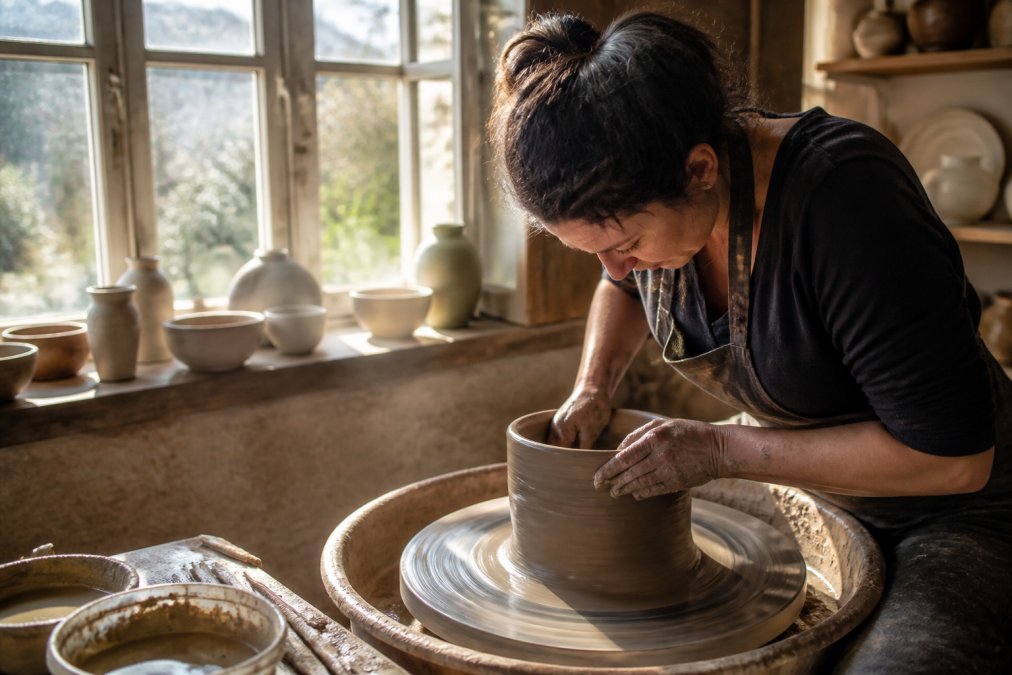
Pottery studios dot the island, ranging from functional ware producers to sculptural artists. Each has a distinct approach, some focus on tableware and domestic pieces, others on gallery-quality art. The best experience is watching a potter at the wheel or kiln, seeing how raw clay transforms into finished work.
Many ceramic makers offer studio visits where you can observe and purchase directly. You'll often find pieces still warm from the kiln, and makers are usually happy to discuss their process, materials, and inspiration. Some studios offer short hands-on sessions where you can throw a pot on the wheel, even if you've never done it before.
The ceramics community here values quality over volume. Work is often fired in wood-burning kilns or electric kilns, and pieces carry the maker's signature approach. Visiting a studio means seeing the full range of work, including pieces not yet listed for sale.
Blacksmithing and Metalwork
Blacksmithing has deep roots on Scottish islands, and several practitioners continue the tradition here. A blacksmith's studio is visceral, the heat, the sound of hammer on anvil, the transformation of metal. Watching a blacksmith work is almost hypnotic; there's a skill and confidence in every strike.
Metalwork studios produce everything from functional items like gates and tools to decorative art pieces. Some smiths specialize in jewellery, others in architectural elements or sculpture. Many welcome visitors to observe the work and purchase directly.
Booking a studio visit often requires advance notice, particularly if you want to observe active work. Blacksmiths typically work to order or on specific projects, so catching the right moment requires planning. Skye Lodge can connect you with makers who maintain regular visiting hours or offer demonstrations.
Scenic Craft Trails and Routes Across the Island
The best way to experience multiple studios is to follow a craft trail, a route connecting several makers across a geographic area. Rather than random driving, a craft trail gives you a logical sequence, reducing travel time and ensuring you arrive when studios are open.
Several established craft trails operate across the island, though details change seasonally and with individual maker availability. A craft trail might connect a textile studio, a pottery workshop, a metalwork studio, and a gallery in a single loop, typically taking a full day to complete properly. You're not rushing; you're spending time in each space, talking with makers, and understanding their work.
The island's geography means distances can be deceptive. Highland roads wind through mountains and along coastlines, adding travel time. A route that looks like 30 miles might take 90 minutes to drive. The best craft trails account for this, spacing studios to allow unhurried visits and travel time without frustration.
When planning a craft trail, consider combining studio visits with scenic stops, a viewpoint at sunset, a walk to a waterfall, a lunch break at a local café. This transforms a craft tour into a full sensory experience of the island. You're seeing where makers live and work, understanding the landscape that inspires them, and experiencing the island as residents do rather than as a tourist checklist.
Skye Lodge provides detailed information on current craft trails, studio opening times, and recommended routes. The island's landscape and maker community are both worth savouring; rushing defeats the purpose.
How to Find Authentic Local Delicacies and Artisan Food
Artisan food producers operate alongside craft makers, and many visitors overlook this entirely. Local delicacies, from smoked fish to artisan cheeses, preserves, and baked goods, represent the same commitment to quality and tradition as textile or ceramic work.
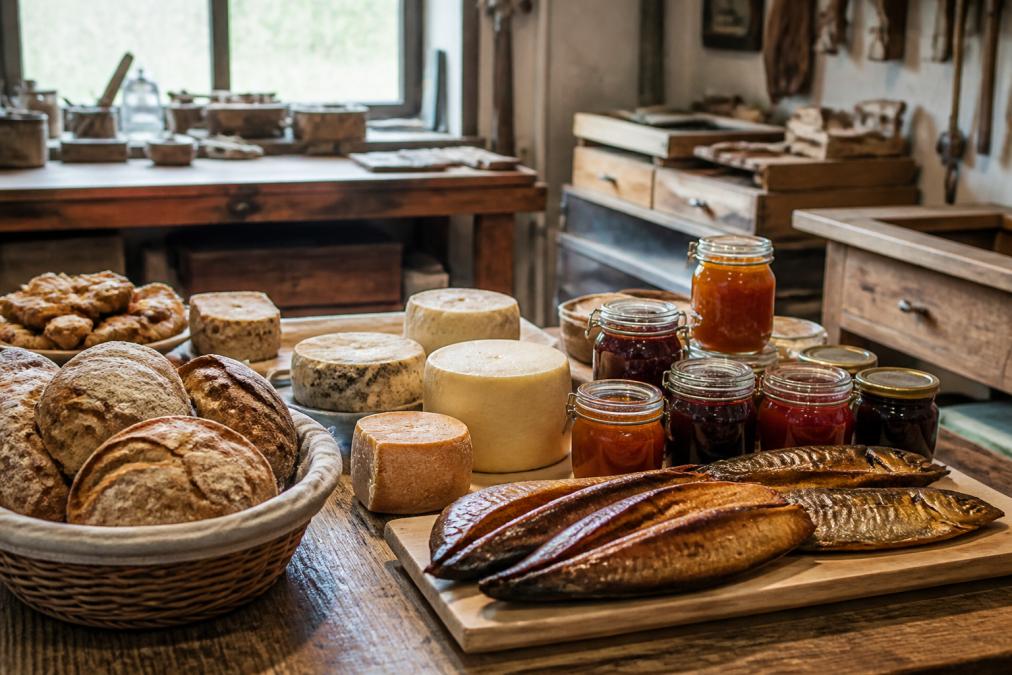
Finding authentic local delicacies requires the same approach as finding craft studios: ask locals, book ahead, and expect limited availability. Many producers operate from home kitchens or small commercial spaces, not retail shops. Some sell at farmers' markets or through online ordering; others only at their studio or through restaurants.
The island's restaurants often source directly from local producers, so dining out is itself a way to discover artisan food makers. When you eat somewhere that lists ingredients by maker, "smoked salmon from X, cheese from Y, vegetables from Z", you're experiencing the local food network. Many restaurants can connect you with producers if you're interested in buying directly.
Visiting a food producer's space is different from visiting a craft studio, but equally rewarding. You'll see how food is made, understand the ingredients and process, and often taste products fresh. Some producers offer tasting sessions or short demonstrations. Buying directly supports the maker and often costs less than purchasing through a retail middleman.
Skye Lodge's owners have deep connections within the local food community and can recommend current producers, seasonal specialties, and where to find specific items. This local knowledge is invaluable; it saves you time and ensures you're supporting genuine artisan producers rather than mass-market products labelled as "local."
Planning Your Multi-Day Craft Tour: Logistics and Booking
A multi-day craft tour requires more planning than a casual visit, but the structure ensures you see what matters and avoid wasted time. The island deserves at least three nights to explore properly, two days feels rushed, and five days allows for genuine immersion without feeling hurried.
Seasonal Craft Variations and Events
Craft activity and studio availability vary significantly by season. Summer brings more consistent opening hours and active tourism, but also crowds. Spring and autumn offer quieter visits with good weather and active makers. Winter is challenging; many studios reduce hours or close entirely, and weather can make highland roads difficult.
Some makers host specific events or exhibitions seasonally. Summer might include open studio events where multiple makers open simultaneously, or craft fairs where you can meet producers in one location. Spring often brings new work after winter studio time. Autumn features harvest-related food producers and artists preparing for winter markets.
Understanding seasonal patterns helps you plan strategically. A summer visit offers maximum access and activity but less intimate interaction. A shoulder-season visit (May or September) balances good weather with fewer tourists and more maker availability for genuine conversation.
Budgeting for Artisan Experiences
Artisan experiences cost more than mass-market alternatives, but the value is evident. A handmade ceramic piece costs more than factory pottery because it represents genuine skill and time. A workshop with a maker costs more than a generic craft class because you're learning from an active practitioner.
Budget for studio visits (often free or a small donation), workshops (typically ranging from modest to substantial depending on complexity and duration), and direct purchases. Many visitors underestimate how much they'll spend on pieces they genuinely want to own, handmade goods are often worth the investment, and supporting makers directly ensures your money reaches the creator.
Factor in travel costs, fuel for highland driving, or guided tour fees if you prefer not to drive yourself. Accommodation at a place like Skye Lodge positions you centrally for accessing studios across the island and includes the local knowledge that makes planning easier.
Workshop Booking and Availability
Most workshops require advance booking, sometimes weeks ahead, particularly in summer. Availability depends on maker schedule, group size, and specific skills being taught. A pottery wheel workshop might accommodate 4-6 people; a private weaving session could be one-on-one.
When booking a workshop, confirm what's included, materials, tools, finished piece, instruction level. Some workshops assume prior experience; others welcome complete beginners. Duration varies from 2-3 hours to full-day intensives. Many makers require payment in advance and have cancellation policies.
Skye Lodge can facilitate workshop bookings and provide realistic timelines for availability.
Hands-On Workshops and Skill-Based Learning Opportunities
Beyond observation, hands-on workshops let you try crafts yourself. These range from brief introductions, throwing clay for the first time, trying a loom, to multi-day intensive courses for serious learners.
A pottery wheel workshop typically lasts 2-3 hours. You'll learn basic centering and throwing, create a simple bowl or vessel, and often take it home. The experience is humbling; clay doesn't cooperate with impatience. But within an hour, most people produce something recognizable, and the satisfaction is genuine.
Textile workshops might involve learning to weave on a small loom, trying natural dyeing, or exploring felting techniques. These often require less physical strength than pottery and appeal to people of various ages and abilities. A weaving workshop might produce a finished scrap or small wall hanging you can take home.
Metalwork workshops are less common for visitors but occasionally available. These typically require more safety training and might focus on techniques like jewellery-making or decorative techniques rather than full blacksmithing. The experience of working with metal, heating, shaping, finishing, is memorable.
The value of a workshop isn't always the finished piece. It's understanding the skill involved, appreciating the maker's expertise, and gaining respect for handmade work. Most people leave a workshop with genuine admiration for anyone who does this work professionally.
Conclusion
An artisan craft tour transforms how you experience the island. Rather than ticking off famous landmarks, you're connecting with the creative community that gives the place its character. You're seeing textile arts, pottery, metalwork, and artisan food production, not as tourist attractions but as living practices.
When you stay at Skye Lodge, you gain access to this world more easily. The lodge's owners, Claire and Douglas, maintain direct relationships with makers across the island and provide the local knowledge that makes planning genuinely effortless. They'll help you book workshops, recommend current studios, suggest routes that make sense, and ensure restaurants are booked in advance. The lodge's handmade beds, gourmet breakfasts featuring local ingredients, and position near Dunvegan Castle create a sophisticated base for exploring the island properly. Make A Reservation and discover why a multi-day craft tour reveals the island far more completely than rushing through.
Frequently Asked Questions
Where can I find authentic craft workshops for visitors on the Isle of Skye?
The Skye-Art network connects visitors directly with working artisans and craft studios across the island. Studios are listed online and in detailed booklets available at your accommodation. Most workshops welcome visitors for studio visits, hands-on classes, and demonstrations. Contact your lodge in advance to arrange private visits or group sessions tailored to your interests, blacksmithing, pottery, textile arts, and other traditional crafts are all available year-round.
What types of traditional Scottish crafts are practised on the island?
The island's artisan heritage includes textile and fibre arts, pottery and ceramics, blacksmithing, metalwork, and jewellery-making. Many makers draw on centuries of Scottish craftsmanship traditions. Studios often offer demonstrations and hands-on workshops where you can learn traditional techniques. Some artisans specialise in bespoke commissions, allowing you to take home truly unique pieces created during your stay.
How do I book private studio visits with local makers?
Book through your lodge's local knowledge and connections, owners can arrange studio visits suited to your schedule and interests. Most artisans prefer advance notice for group visits or hands-on sessions. Allow 20 minutes extra travel time between locations on island roads. Many studios operate seasonal hours, so confirm availability before planning your itinerary. Direct bookings through maker websites are also available if you prefer to arrange visits independently.
How can I find authentic local delicacies during my artisan craft tour?
Visit local makers' studios where many sell handmade food products, preserves, and artisan goods. Restaurants within 15 minutes of the lodge, The Three Chimneys, The Stein Inn, and Edinbane Lodge, source locally and offer authentic island cuisine. Book dining reservations well in advance. Ask your lodge hosts for recommendations on farm shops, food producers, and seasonal speciality suppliers. Many craft studios double as galleries where you can purchase directly from creators.