 Ultimate guide
Best Time for Luxury Skye Travel: A Seasonal Guide
Table of Contents
- Why Timing Matters for Luxury Skye Travel
- Isle of Skye Weather by Month: What to Expect
- How Many Days in Skye Should You Plan
- Peak Season vs Shoulder Season: What Works Best
- Choosing a Small B&B on Skye for Your Visit
- Practical Planning: Booking, Dining and Road Conditions
- Conclusion: Finding Your Ideal Time
- Frequently Asked Questions
Last Updated: October 21, 2026
Why Timing Matters for Luxury Skye Travel
When you visit the Isle of Skye shapes everything. Deciding on the best time luxury Skye travel depends on what matters most: dramatic landscapes, comfortable weather, peaceful solitude, or vibrant energy.
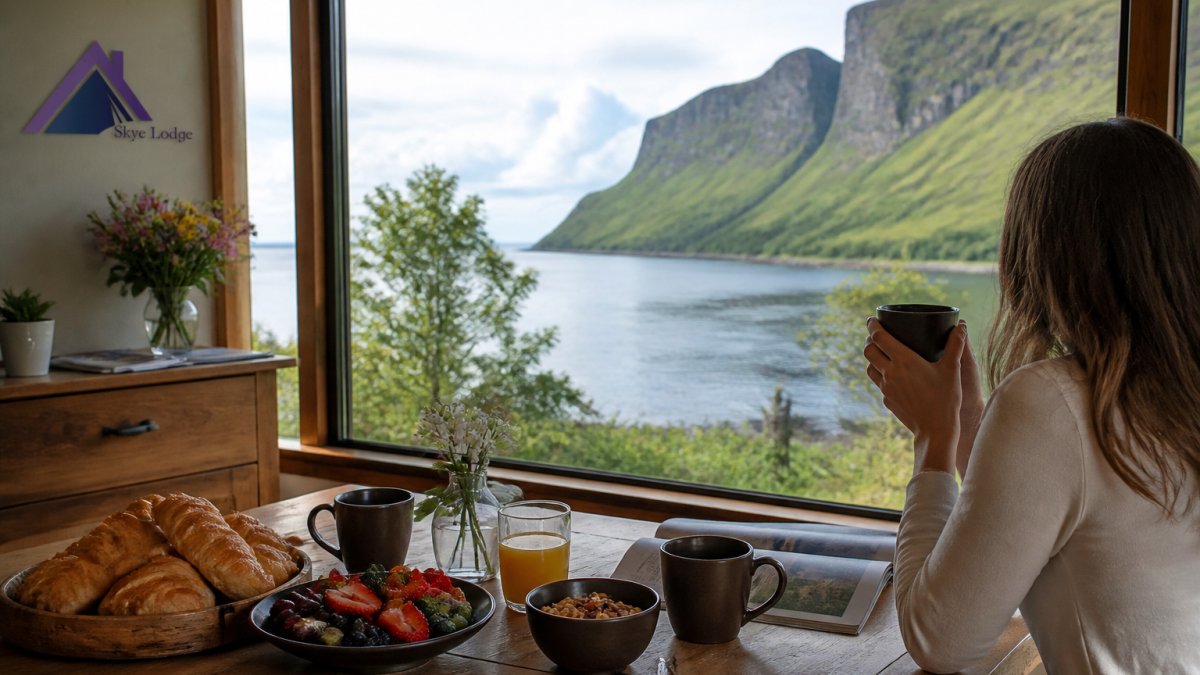
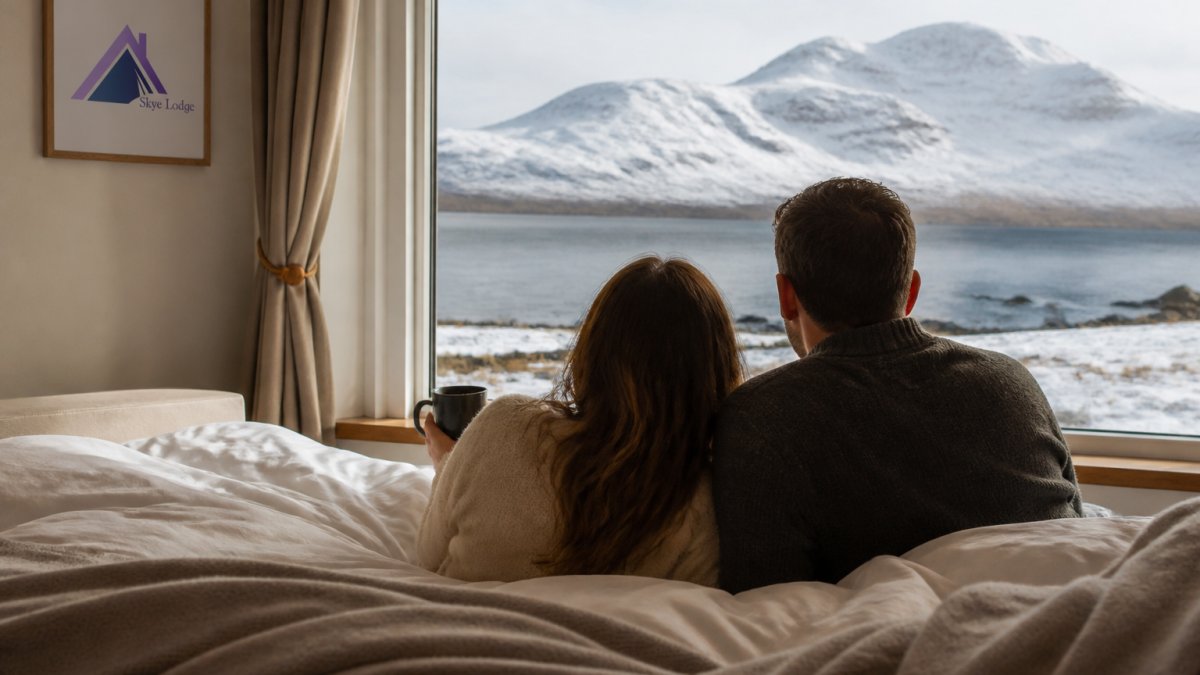
May brings wildflowers and long daylight, July and August draw crowds but offer the warmest weather, September delivers autumn colours without the rush, and winter reveals snow-capped peaks and moody skies.
Practical factors matter too: how many days you can stay, whether you're driving single-track roads for the first time, and what experiences matter most. We recommend at least three nights.
Isle of Skye Weather by Month: What to Expect
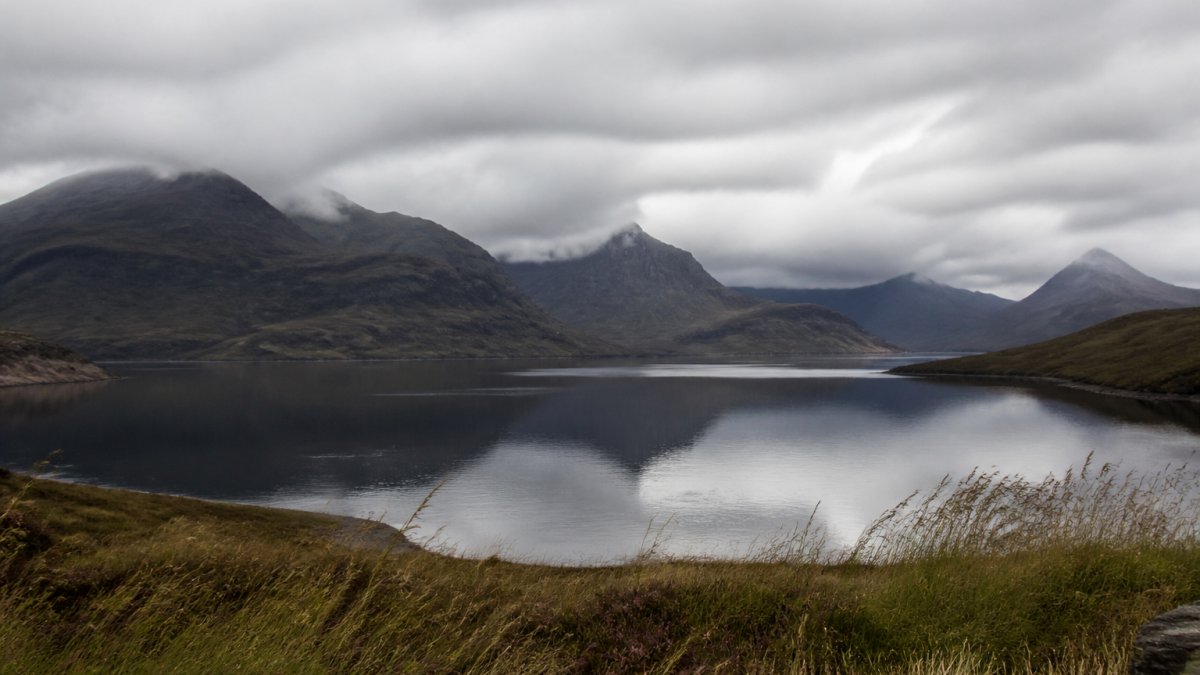
The Isle of Skye sits on Scotland's west coast, influenced by the Gulf Stream, which keeps temperatures milder than you might expect for this latitude, though the island is notoriously wet and windy year-round.
Spring: April and May
April remains cool at around 8-10°C, with frequent rain and wind, but daylight extends to roughly 15 hours by late April, and many accommodation options reopen after winter.
In May wildflowers bloom across the moorlands, temperatures climb to 12-15°C, and daylight stretches to nearly 17 hours. Expect sunny spells interrupted by showers and wind. Early spring is ideal to avoid crowds, and midges are least active.
Summer: June, July and August
Summer brings the longest days and warmest temperatures, typically 15-18°C, but also the most visitors. July and August see peak crowds and fully booked restaurants, while daylight lasts nearly 18 hours in June.
Wind and rain remain common even in summer, so pack layers and waterproofs regardless of forecast. Many luxury travellers choose June as their sweet spot: warmer than spring, less crowded than July-August, with excellent daylight for Dunvegan Castle, the Cuillin mountains, and coastal walks.
Autumn: September and October
September and October offer what many consider the best balance for the best time for luxury Skye travel. Temperatures range from 12-15°C, daylight shortens to 12-14 hours yet remains sufficient for full days of activity, and crowds thin considerably.
Autumn colours paint the moorlands in golds and browns, and the light turns golden at sunrise and sunset. Midges diminish as temperatures drop, suiting travellers who want active exploration without the summer rush.
Winter: November to March
Winter transforms Skye into a moody, introspective landscape. Temperatures drop to 4-8°C, daylight shrinks to 7-8 hours in December, and occasional snow caps the higher peaks.
Winter suits a specific traveller: someone seeking solitude, dramatic scenery, and a slower pace. Roads require extra caution, but accommodation is abundant, dining reservations are easy, and the island feels genuinely yours, perfect for a restorative retreat focused on local restaurants, art studios, and intimate exploration.
Month-by-Month Planning Calendar
Use this calendar to match your priorities to the right month, covering weather, daylight, crowds, midges, and booking lead times.
| Month | Typical Temperature | Daylight | Crowds | Midges | Booking Lead Time |
|---|---|---|---|---|---|
| January | 4-7°C | 7-8 hours | Very low | None | 2-4 weeks |
| February | 4-7°C | 8-9 hours | Very low | None | 2-4 weeks |
| March | 5-8°C | 11-12 hours | Low | None | 4-6 weeks |
| April | 8-10°C | 14-15 hours | Low | Low | 6-8 weeks |
| May | 12-15°C | 16-17 hours | Moderate | Low | 8-12 weeks |
| June | 15-18°C | 17-18 hours | High | Moderate | 12-16 weeks |
| July | 15-18°C | 17-18 hours | Peak | High | 16-20 weeks |
| August | 15-18°C | 16-17 hours | Peak | High | 16-20 weeks |
| September | 12-15°C | 13-14 hours | Moderate | Moderate | 8-12 weeks |
| October | 10-13°C | 11-12 hours | Low | Low | 6-8 weeks |
| November | 6-9°C | 8-9 hours | Very low | None | 4-6 weeks |
| December | 4-7°C | 7-8 hours | Very low | None | 2-4 weeks |
Midges and Practical Comfort
Midges are small biting insects that emerge in still, damp conditions from late May to early September, worst at dawn and dusk near standing water, bracken, and woodland edges.
For a luxury stay, this matters practically. Plan exposed coastal walks and boat trips for breezy days, saving sheltered woodland or loch-side strolls for windy afternoons. Pack a repellent and a light long-sleeved layer for dusk.
Wind and rain exposure is the other comfort factor. Even in summer, a waterproof shell and sturdy shoes are essential, as a sunny morning can turn to driving rain by afternoon.
How Many Days in Skye Should You Plan
Most visitors underestimate how much time they need. A rushed day trip captures iconic sights but misses the island's essence.
Three nights lets you visit Dunvegan Castle, walk coastal paths, explore the Cuillin foothills, and enjoy a gourmet dinner without pressure, with time for leisurely breakfasts and local art studios on the Skye Art Trail.
Five nights or longer suits travellers wanting deeper immersion: a day trip to Portree, an entire morning on a single walk, or simply rest and reading.
Two nights is possible but tight: your first evening recovering from travel, your second day exploring, your final morning packing.
Peak Season vs Shoulder Season: What Works Best
Peak season (July and August) delivers reliable weather, maximum daylight, and full activity calendars, but restaurants operate at capacity and crowds at sites like the Quiraing or Neist Point can feel overwhelming.
Shoulder seasons (May-June and September-October) offer the best balance for most luxury travellers. Weather remains generally favourable, daylight is ample, yet crowds thin and restaurants have availability.
Low season (November through April) suits contemplative travellers prioritising solitude. Weather is unpredictable and daylight limited, but accommodation is abundant, dining is relaxed, and the landscape feels raw and honest. It rewards flexibility and a willingness to adjust plans based on weather.
Luxury Availability and Booking Lead Times by Season
For a small guest house like Skye Lodge, the booking pattern is consistent across the island.
In peak season, the best rooms book out earliest: reserve 16-20 weeks ahead for July and August, and 12-16 weeks for June and September. Shoulder months such as May and October typically need 8-12 weeks, while low-season stays from November to March can often be arranged with 2-6 weeks' notice.
Restaurant reservations follow a similar curve. Popular dining rooms near Dunvegan fill weeks ahead in peak season, while shoulder and low seasons usually allow bookings within a few days.
Matching the Season to Your Priorities
Rather than one universal best month, the right time depends on what you want. A small guest house with owner-hosted hospitality adds real value here, because recommendations can be tailored to the season and your interests.
- Privacy and solitude: November to March, or the first half of May before the summer rush. Expect quiet roads, easy dining, and a contemplative landscape.
- Photography and light: Late May and early September for long golden hours without peak crowds. Autumn sunrise and sunset light is especially rewarding.
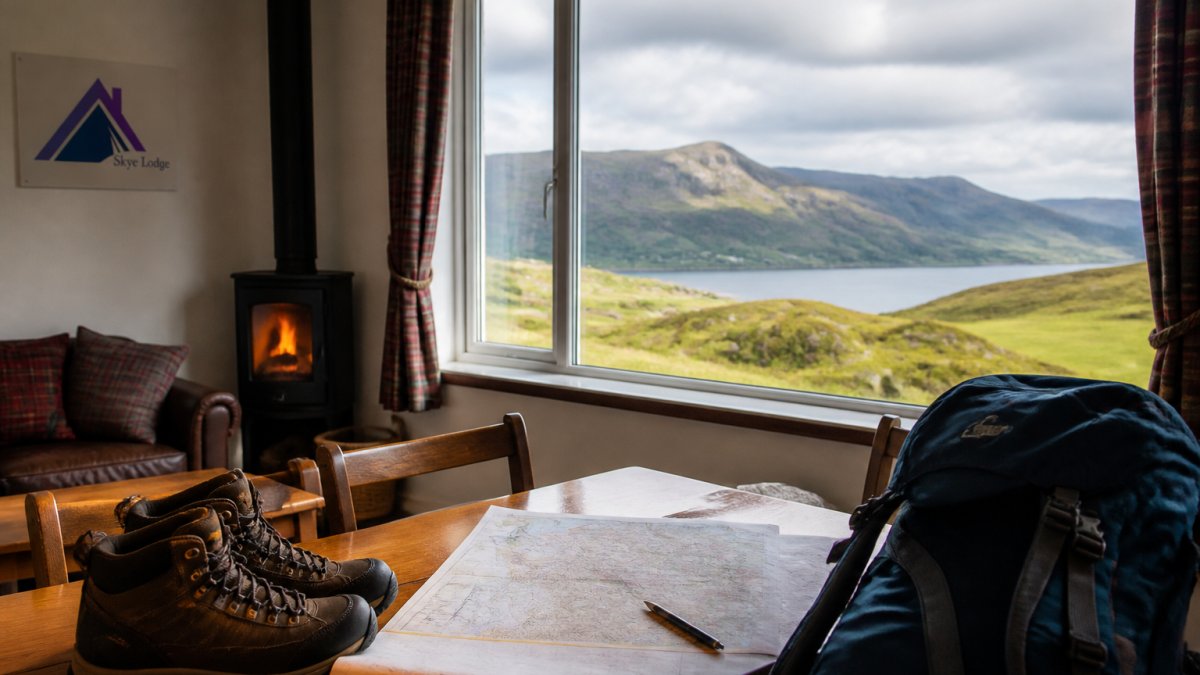
- Walking and hiking: May, June, and September for comfortable temperatures, long daylight, and manageable midge activity. Exposed coastal routes around Loch Dunvegan are often breezier and more comfortable in midge season.
- Wildlife and coastal touring: Late spring and early summer for active wildlife, with boat trips and coastal drives best planned on breezy days when midges are suppressed.
- Comfortable touring and dining: Shoulder season, when restaurants have availability and single-track roads are less busy, making drives to Dunvegan Castle, the Cuillin foothills, and the Skye Art Trail more relaxed.
For guests who prioritise hospitality and personal guidance, the shoulder and low seasons often deliver the most attentive experience. With fewer guests on the island, there is more time for conversation, tailored walking advice, and the kind of breakfast-table recommendations that guests mention in reviews on Google, Freetobook, and TripAdvisor.
Choosing a Small B&B on Skye for Your Visit
A small guest house like Skye Lodge offers distinct advantages over larger hotels or holiday cottages: personalised hospitality from owners who know the island intimately.
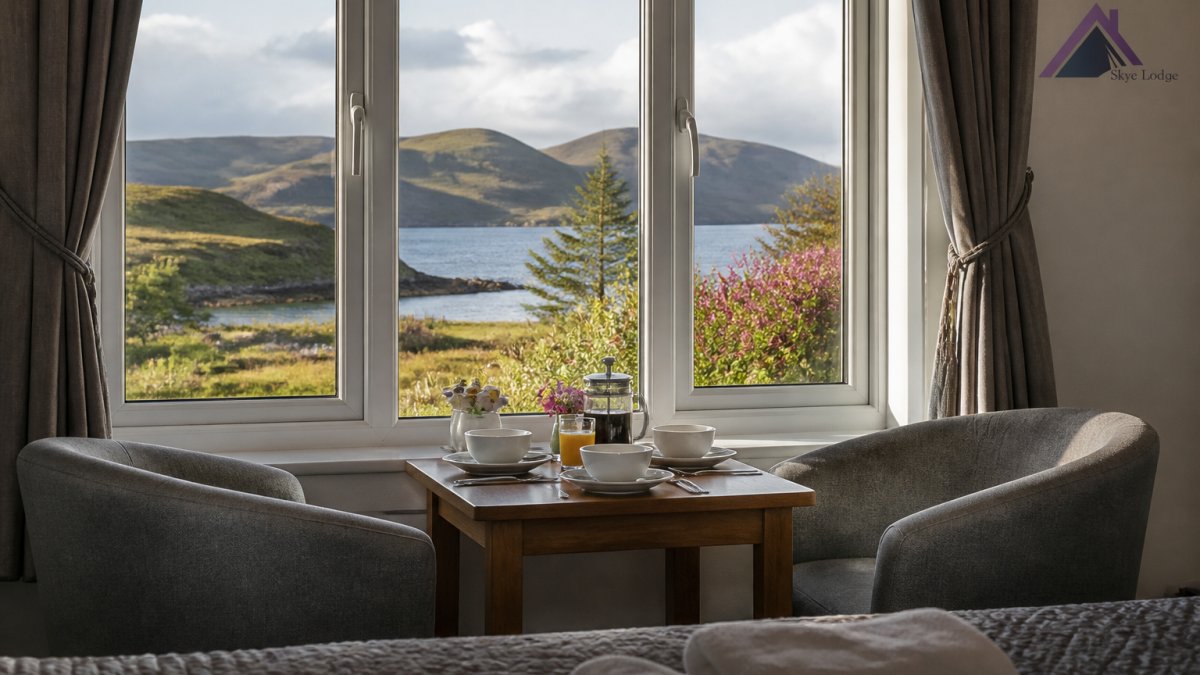
Small B&Bs provide consistency in quality. Handmade beds, en-suite rooms, and gourmet breakfasts prepared with locally sourced ingredients create a foundation of genuine comfort.
Location matters profoundly. Skye Lodge sits on the westerly coastline near Dunvegan, positioning you perfectly for the island's western reaches, Dunvegan Castle, and coastal walks.
Booking a small B&B also means flexibility. Small guest houses often accommodate special requests: early breakfasts before long drives, or restaurant recommendations.
Practical Planning: Booking, Dining and Road Conditions
Successful luxury travel on Skye requires advance planning. Book accommodation early, especially during shoulder and peak seasons, as small guest houses like Skye Lodge fill quickly.
Restaurant reservations are essential.
Driving single-track roads demands respect and adjustment. Add 20 minutes to every hour of travel on highland roads: narrow roads, passing places, and dramatic scenery slow progress naturally.
Plan locations to see sunrise and sunset.
Weather unpredictability requires flexibility. Pack layers, waterproofs, and sturdy walking shoes regardless of season.
| Planning Element | Timing | Importance |
|---|---|---|
| Accommodation booking | 8-12 weeks ahead | Critical for peak/shoulder season |
| Restaurant reservations | 4-8 weeks ahead | Essential for popular venues |
| Single-track road allowance | +20 min per hour travel | Safety and enjoyment |
| Weather flexibility | Built into daily plans | Realistic exploration |
| Sunrise/sunset planning | Day before | Optimal photography and experience |
Conclusion: Finding Your Ideal Time
The best time for luxury Skye travel is the time that aligns with your priorities and personality. Late spring and early autumn offer the most reliable balance of weather, daylight, crowds, and comfort. Summer delivers warmth and long days but brings crowds, while winter reveals raw beauty and solitude.
Whatever season you choose, plan at least three nights to genuinely experience the island. Book accommodation and restaurants well in advance, add 20 minutes to every hour of travel, and plan moments to witness sunrise and sunset.
At Skye Lodge, we're here to help you make the most of your visit. Our handmade beds, gourmet breakfasts prepared with locally sourced ingredients, and intimate knowledge of the island create the foundation for luxury travel that feels genuinely personal. VisitScotland's seasonal travel guidance and Absolute Escapes' Isle of Skye travel guide offer additional perspectives on planning your visit.
Frequently Asked Questions
How many days are needed to properly experience the Isle of Skye?
Three to five days is ideal for a meaningful visit. A 3-night stay allows you to explore beyond the most famous landmarks and discover quieter corners of the island. Two nights can work if your schedule is tight, though you'll need to prioritise carefully. Many visitors try to see everything in a day or two, but the best way to experience Skye is to slow down. This pacing also gives you flexibility for weather changes and time to enjoy gourmet dining at local restaurants, which benefit from advance booking.
What is the Isle of Skye weather like in May, and is it a good time to visit?
May brings milder temperatures and increasing daylight hours, making it an excellent choice for luxury travel. The weather is more stable than spring months, with less rain than April. Daylight extends well into the evening, giving you more time for sightseeing and outdoor pursuits. May sits in the shoulder season, so accommodation is more readily available than peak summer, and restaurants are less overwhelmed. It's an ideal window for those seeking comfort without the crowds of July and August.
When is the best time to visit Skye if I want to avoid crowds?
Early spring (April), late autumn (September and early October), and winter offer significantly fewer visitors. September is particularly appealing: weather remains reasonable, daylight is still generous, and the summer rush has passed. Winter (December to February) is quietest but brings shorter days and more unpredictable weather. If you're booking a small B&B on Skye during these periods, you'll find better availability and a more peaceful atmosphere for enjoying the landscape and local hospitality.
Should I book a luxury Skye stay well in advance?
Yes, advance booking is essential, especially for peak season (July and August) and for dining reservations at sought-after restaurants like The Three Chimneys and The Stein Inn. Even during shoulder seasons, booking 2-3 months ahead ensures you secure your preferred dates and restaurant slots. Local knowledge from your accommodation can help with backup dining options if your first choices are full. Early planning also gives you time to arrange any special experiences, such as guided walks or visits to artisans on the Skye Art Trail.