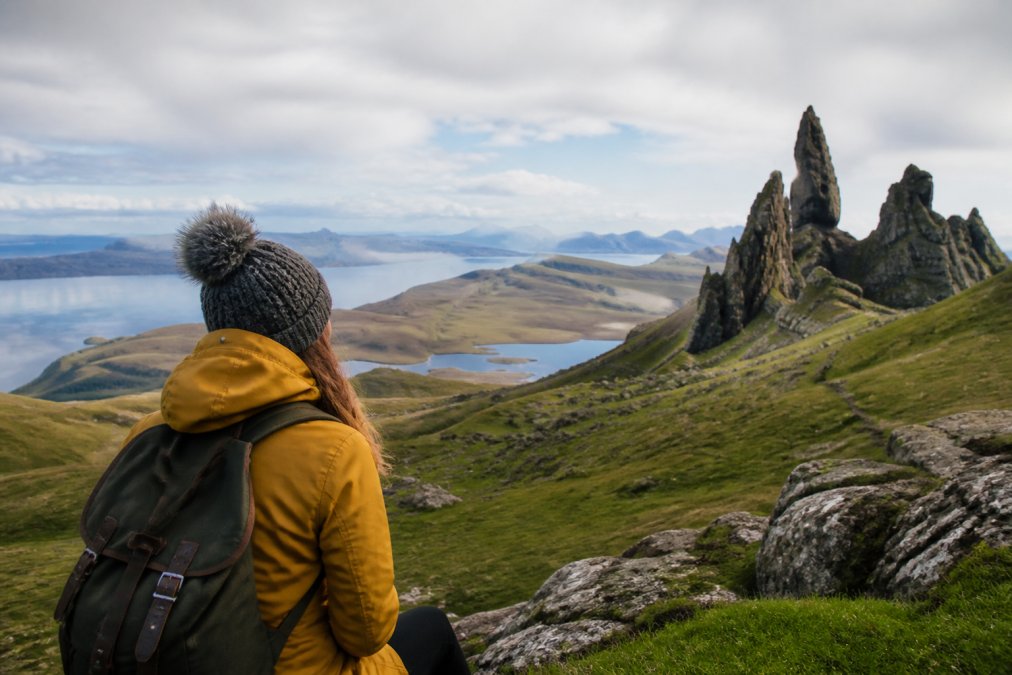
 ultimate-guide
Best Time to Visit Skye 2026: A Seasonal Guide
Table of Contents
- Best Time to Visit Skye: Overview by Season
- Spring: March to May
- Summer: June to August
- Autumn: September to November
- Winter: December to February
- How Many Days to Spend in Skye
- Best Places to Stay on the Isle of Skye
- Planning Your 2026 Visit: Key Considerations
- Frequently Asked Questions
Last Updated: September 3, 2026
Best Time to Visit Skye: Overview by Season
The best time to visit Skye depends on your priorities. Summer delivers long daylight hours and reliable weather but attracts thousands of visitors. Spring brings emerging wildlife and lower crowds. Autumn offers golden light and fewer tourists. Winter transforms the landscape into something dramatic and quiet.
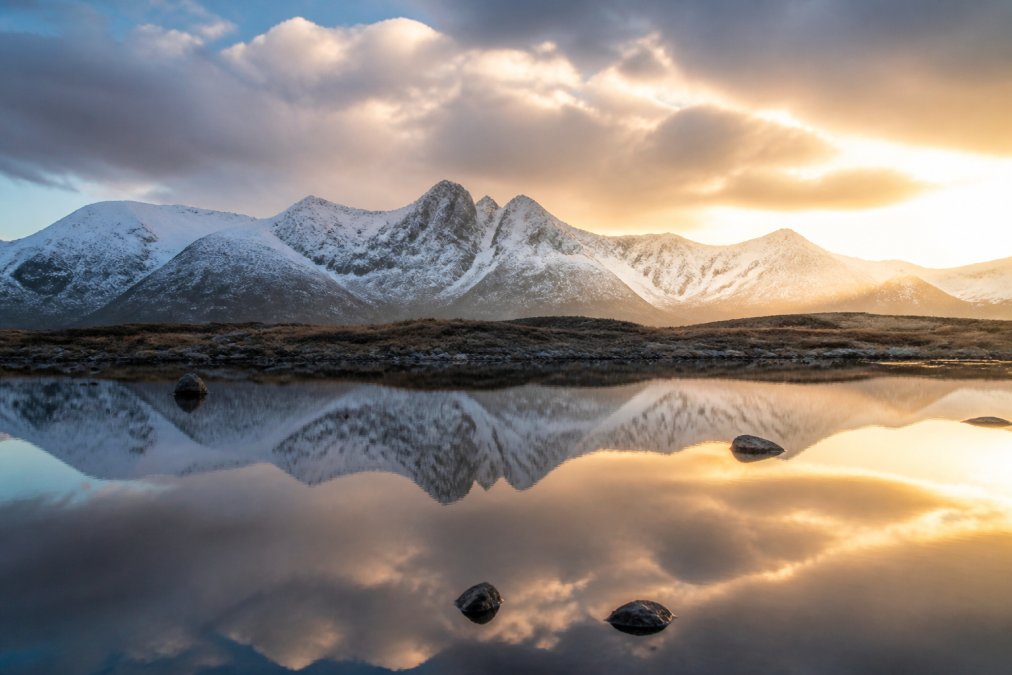
Most visitors arrive between June and August, when accommodation books months in advance and popular attractions become congested. Each season offers distinct advantages, and the "best" time depends on matching your priorities to what the island offers during that period.
The island's microclimate means weather shifts dramatically within hours. Daylight varies by nearly 16 hours between winter and summer, shaping not just what you can see, but how you experience it.
| Season | Best For | Crowd Level | Weather | Daylight |
|---|---|---|---|---|
| Spring (Mar-May) | Wildlife, spring blooms, lower costs | Low-moderate | Variable, cool | 12-17 hours |
| Summer (Jun-Aug) | Outdoor exploration, hiking, events | Very high | Warmest, most reliable | 17-19 hours |
| Autumn (Sep-Nov) | Golden light, autumn foliage, solitude | Low-moderate | Cool, changeable | 9-12 hours |
| Winter (Dec-Feb) | Stillness, drama, lowest crowds | Very low | Cold, snow possible | 6-9 hours |
Spring: March to May
Spring arrives late on Skye. March and early April still feel wintry with snow on higher peaks and unpredictable weather. By May, wildflowers emerge across the moorland, bird populations return, and the landscape shifts from brown to green.
Wildlife spotting improves dramatically. Golden eagles return to the Cuillin mountains, seabirds nest along coastal cliffs, and otters appear along the shoreline. The Trotternish Ridge becomes accessible as snow melts. Accommodation is significantly cheaper than summer, and popular attractions feel manageable.
Weather remains unpredictable, but daylight stretches from around 12 hours in March to nearly 17 hours by May, giving genuine evening light for photography and exploration. Many visitors overlook spring entirely, meaning quieter experiences at places like Dunvegan Castle and the Fairy Pools. Restaurants are easier to book, and accommodation availability is far better than peak season.
Summer: June to August
Summer is peak season. Daylight extends to nearly 19 hours at the summer solstice, allowing hiking until nearly 11 PM. Weather is warmest and most stable. The Cuillin mountains are fully accessible, and the island hosts festivals and events that don't run at other times.
The trade-off is crowds. Tourist infrastructure strains noticeably from mid-June through August. Car parks fill early, popular viewpoints become congested, and accommodation books out months in advance. If you're planning a summer visit to Skye for 2026, booking accommodation now is advisable.
Summer weather is more reliable than other seasons, though rain is still frequent. Extended daylight enables sunrise and sunset viewing, critical moments for photography on Skye.
Midge season and how to manage it
Midge season peaks from mid-July through August, particularly in still, damp conditions. These tiny biting insects swarm in clouds but aren't dangerous. Wind, rain, and temperature affect midge activity more than any other factor. Strong wind disperses them; rain drives them down.
Avoid still conditions when possible. Plan outdoor activities for windy or rainy days. Apply insect repellent containing DEET before heading out. Wear long sleeves and trousers in muted colours. Smoke from a campfire deters them. Timing hikes for early morning or late evening, when wind typically picks up, avoids the worst activity.
If you're sensitive to insect bites, consider visiting in June or late August instead. Midge season is manageable with basic precautions and doesn't prevent outdoor exploration.
Autumn: September to November
Autumn might be Skye's most underrated season. September weather remains relatively mild, and crowds drop noticeably after summer holidays end. October brings autumn foliage that transforms moorland into rust and gold. November is quieter still, though daylight shrinks to around 9 hours by month's end.
The light in autumn is extraordinary. The low angle of the sun creates golden hour conditions lasting for hours. Photographers specifically time visits for autumn because of this quality of light. Coastal scenery, mountain ridges, and loch reflections all benefit from warm, directional illumination.
Weather becomes more changeable as autumn progresses. September can feel summery. October brings rain and wind more frequently. By November, conditions are decidedly winter-like. But this variability appeals to many visitors seeking a wilder experience.
Accommodation becomes available again at lower prices. Popular attractions feel peaceful rather than crowded. If you're seeking solitude and dramatic light without summer intensity, autumn delivers both.
Winter: December to February
Winter is the quietest season. Daylight shrinks to around 6-9 hours, with sunrise after 8 AM and sunset before 4 PM in December. The island feels genuinely remote and peaceful. Accommodation is available and significantly cheaper than other seasons.
Winter weather is cold and unpredictable. Snow falls on higher ground regularly, though lower elevations typically see rain. Wind is common, and daylight hours are severely limited. Hiking is possible but requires early starts and finishing before dark. The Cuillin mountains become serious terrain with snow and ice.
The landscape has stark beauty that other seasons don't match. Snow-capped peaks stand against dark skies. Coastal scenery takes on dramatic qualities under storm light. This appeals to photographers seeking dramatic conditions and nature enthusiasts wanting authentic wilderness experience.
Winter travel requires different planning. Road conditions can deteriorate quickly. Ferry schedules are sometimes disrupted by weather. Accommodation options are limited, and some attractions operate reduced hours or close entirely.
How Many Days to Spend in Skye
A two-day trip is possible but rushed. You'll see major attractions like the Old Man of Storr and the Fairy Pools, but spend significant time driving rather than exploring.
A three-night, five-day stay is the minimum allowing genuine exploration. This duration gives you time to visit iconic landmarks, experience quieter corners, and actually rest. You can spend a full day in one area without feeling pressured to rush.
Five nights or longer allows immersive experience. You can slow down, repeat favourite locations at different times of day, venture into less-visited areas, and develop a real sense of the island's rhythm.
Travel time consumes significant portions of short visits. A 30-minute drive can easily take an hour. This means a two-day visit leaves very little actual exploration time.
Best Places to Stay on the Isle of Skye
Accommodation choice shapes your entire visit. The island's geography means location directly affects what you can access comfortably. The west side offers proximity to Dunvegan Castle, Neist Point, and the Trotternish Peninsula. The east side provides easier access to the Cuillin mountains and Portree.
Skye Lodge, situated on the westerly coastline near Dunvegan, offers handmade beds, ensuite rooms, and gourmet breakfasts prepared with locally sourced ingredients. The lodge accommodates individuals or exclusive group bookings, providing bespoke hospitality from owners Claire and Douglas. Its location near Dunvegan Castle, Neist Point, and the Cuillin mountains makes it an ideal base for exploring the island's natural beauty and heritage sites.
Self-catering options through platforms like Booking.com and Airbnb offer flexibility and often better value for groups or longer stays. These range from cottages to modern apartments, many with loch or mountain views.
Mid-range hotels and guesthouses offer balance between luxury and budget options. Many include breakfast and provide information about local attractions and dining.
Location matters more than accommodation type. Staying on the west side means shorter drives to Dunvegan and Neist Point but longer journeys to Portree. The east side offers easier access to the Cuillin and Portree's restaurants. Central locations like Portree offer balance but are more touristy.
Planning Your 2026 Visit: Key Considerations
Restaurant availability is critical. Popular establishments like The Three Chimneys, The Stein Inn, and Edinbane Lodge require advance booking, particularly during peak season. Skye Lodge staff provide recommendations and assistance with restaurant bookings, valuable for visitors unfamiliar with the island.
Ferry schedules matter if arriving via CalMac Ferries from Mallaig to Armadale. Services are subject to weather disruption and book up during peak season. Advance booking is essential.
Car hire is practical for independent exploration. Companies like Hertz offer rentals from major Scottish airports. Having your own vehicle allows flexibility and access to remote locations. Highland roads require careful driving; they're narrower, more winding, and slower than mainland roads.
Guided tours through operators like GetYourGuide, Viator, and Scotland's Wild offer alternatives to independent exploration. Small-group tours focus on nature and wildlife, while private tours offer customizable itineraries.
Weather variability means packing for multiple conditions regardless of season. Waterproof jackets, layered clothing, and sturdy footwear are essential year-round.
Accessibility for mobility-impaired travellers requires advance planning. Many popular attractions have limited accessibility. Contacting attractions directly about accessibility is essential. Skye Lodge can provide information about accessible options and attractions suitable for specific mobility needs.
According to VisitScotland's seasonal travel guidance, planning accommodation and dining well in advance significantly improves the quality of visits, particularly during peak season months.
Digital nomad and remote work viability depends on accommodation choice. Skye Lodge and similar establishments offer reliable internet suitable for working. Self-catering properties vary. If planning an extended stay while working remotely, confirming internet quality before booking is essential.
Budget planning varies dramatically by season. Summer accommodation and dining cost significantly more than other seasons. Winter and early spring offer better value.
Sustainable tourism considerations matter increasingly. The island's infrastructure strains during peak season. Visiting during shoulder seasons reduces environmental impact. Respecting local culture and natural areas, staying on marked paths, respecting wildlife viewing distances, and supporting local businesses maintains the island's character for future visitors.
CalMac Ferries' official timetables and booking system provides essential information for ferry-based arrival planning, with advance booking recommended particularly for vehicle transport during peak season.
Visiting Skye requires genuine planning, but the effort delivers genuine rewards. The island's landscape, wildlife, and cultural heritage reward slow exploration far more than rushed visits. Whether drawn by dramatic mountain scenery, coastal beauty, outdoor exploration, or cultural heritage, matching your timing to your priorities makes the difference between a pleasant visit and a transformative experience. Skye Lodge offers a sophisticated base for this exploration, with personalized hospitality, locally sourced dining, and direct access to iconic landmarks. VisitScotland's Isle of Skye destination guide provides comprehensive information on attractions, events, and seasonal considerations to support your planning. Make a reservation and discover why the island's quieter corners reveal as much character as its famous landmarks.
Frequently Asked Questions
What is the best month to visit Skye in 2026?
May and September offer the best balance of weather, daylight, and manageable crowds. May brings spring blooms and longer days (around 17 hours of daylight), whilst September provides settled autumn conditions and fewer midges. July and August are peak tourist season with the most daylight but also the most visitors and active midge populations. Winter months offer solitude and dramatic weather but significantly reduced daylight and weather variability.
How many days do I need to explore Skye properly?
A minimum of 3 nights allows you to experience both iconic landmarks and quieter corners of the island. Five days is the ideal duration to explore without rushing, allowing time for outdoor exploration, coastal scenery, and visits to attractions like Dunvegan Castle and Neist Point. Two nights is feasible for a quick visit but limits your ability to fully appreciate the island's microclimate variations and hidden gems. Many visitors underestimate travel times on highland roads, so adding 20 minutes to every hour of estimated travel is essential planning advice.
Are midges a serious problem when visiting Skye?
Midge season peaks from late June through August, particularly in warm, still conditions. They're most active at dawn and dusk and less troublesome on windy days or at higher elevations. Visiting in May, September, or October largely avoids the midge problem. If travelling during summer, apply insect repellent, wear long sleeves and trousers, and plan outdoor activities for midday or windy periods. Many travellers find shoulder seasons offer superior conditions for outdoor exploration with minimal midge activity.
What is the best town to stay in for a quiet, luxurious experience?
Dunvegan offers a peaceful base with access to Dunvegan Castle and the quieter western coastline. The village remains relatively quiet even during peak season, with excellent local dining options like The Stein Inn and The Three Chimneys nearby. Accommodation options range from intimate lodges to larger properties suited for exclusive group bookings. Staying in a luxury lodge on the westerly coastline provides the quietest experience, with personalised hospitality and easy access to both iconic landmarks and less-visited coastal routes.
Is it worth visiting Skye during winter months?
Winter offers distinct advantages for certain travellers: dramatic weather, snow-capped peaks, fewer tourists, and a more authentic local experience. Daylight is limited (around 7 hours in December), and weather is highly variable with frequent closures of highland roads. Winter suits photographers seeking moody landscapes, those seeking solitude, and visitors comfortable with unpredictable conditions. Spring and autumn provide better weather reliability whilst still offering manageable crowds and excellent conditions for outdoor exploration.
How far in advance should I book accommodation for a 2026 visit?
For peak season (July and August), book 3-4 months ahead. Shoulder seasons (May, June, September, October) typically require 6-8 weeks advance booking. Winter and spring offer more flexibility but booking 4-6 weeks ahead ensures better availability and choice. Many travellers also recommend pre-booking restaurants in advance, particularly fine dining establishments. Advance planning for ferry schedules and car hire is equally important, as availability becomes constrained during school holidays and peak tourist periods.
What are the daylight hours like across different seasons in Skye?
Daylight varies dramatically throughout the year. Summer (June-July) offers around 17-18 hours of daylight with extended golden hour periods ideal for photography. Spring and autumn provide 12-14 hours of daylight, balancing outdoor exploration time with comfortable evening relaxation. Winter daylight drops to approximately 7 hours in December, limiting outdoor activities but creating dramatic atmospheric conditions. Planning your itinerary around daylight hours ensures you maximise time for hiking conditions and scenic route exploration.