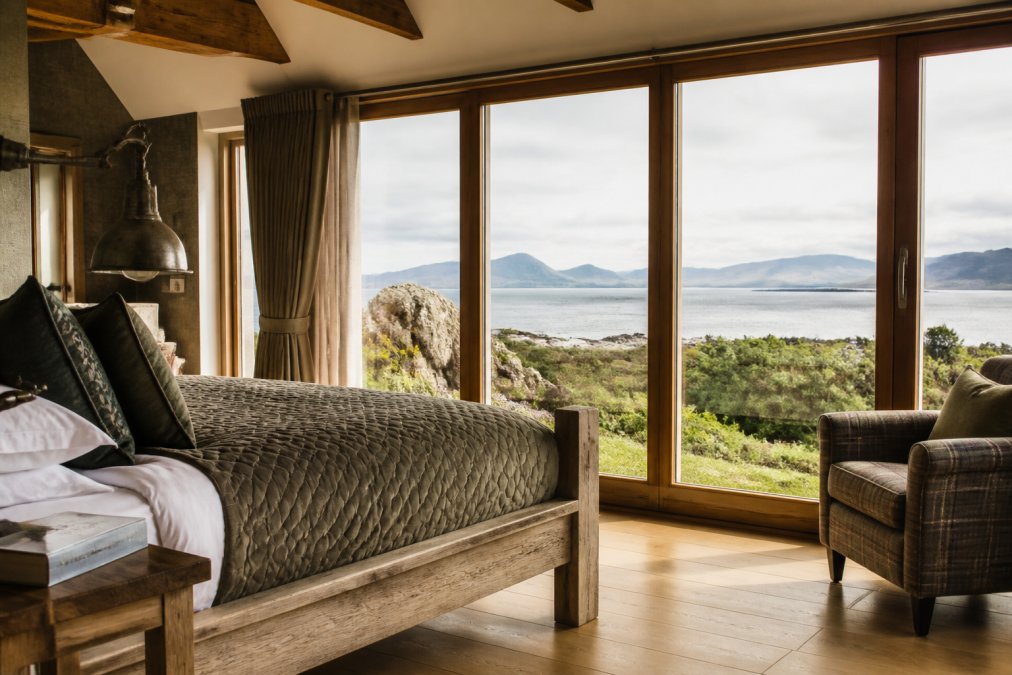
 ultimate-guide
How to Find Unique Luxury Accommodation in Skye
Table of Contents
- Start With the Right Part of the Island
- Best Places to Stay in Skye for a Luxury Break
- What Separates a Truly Unique Luxury Accommodation in Skye From the Rest
- Luxury Self-Catering in Skye: When a Private Holiday Home Beats a Hotel
- Skye Luxury Lodge Booking Tips: Timing, Pricing and Direct Bookings
- Balancing Sustainability With Luxury on a Fragile Island
- Logistics and Accessibility: Planning a Luxury Trip That Actually Works
- Frequently Asked Questions
Last Updated: September 23, 2026
Start With the Right Part of the Island
Finding unique luxury accommodation in Skye begins with one decision most guides skip: which part of the island you want to wake up in. This guide from Skye Lodge matches the right coastline to the right trip, so you are not driving two hours to dinner every night.
Skye divides into four broad areas. The west, around Dunvegan and the Duirinish peninsula, puts you closest to Neist Point, the Cuillin mountains and Dunvegan Castle, with quieter roads than the tourist-heavy east. Portree offers the widest choice of restaurants and shops, but you trade seclusion for convenience. The south, around Sleat, is greener and gentler. The north, near Trotternish, delivers the ridge, the Old Man of Storr and the Quiraing, though it draws the heaviest day-trip traffic.
For a luxury break, the west coast earns its reputation: panoramic views across Loch Dunvegan, genuine tranquility in the evenings, and short drives to the landmarks people come for. That is why Skye Lodge sits on the westerly coastline at Dunvegan.
The trade-off: the further you go for seclusion, the more you must plan around single-track roads and limited dining. Choose your base first; everything else falls into place.
Best Places to Stay in Skye for a Luxury Break
The best luxury stays on Skye cluster into three types: boutique lodges with hosted hospitality, high-end self-catering holiday homes, and small exclusive-use properties. The right choice depends on how much you want to be looked after.
Boutique lodges, like Skye Lodge, blend the privacy of a retreat with the service of a small hotel: bespoke hospitality from resident owners, gourmet breakfasts made with locally sourced ingredients, and local knowledge you cannot get from a booking site.
Self-catering suites and cottages suit families and longer stays where a private kitchen matters more than daily service.
Exclusive-use properties work for groups who want the whole place to themselves. At Skye Lodge, exclusive bookings host 4 to 10 guests, with handmade beds and ensuite rooms.
| Stay Type | Best For | Service Level | Group Size |
|---|---|---|---|
| Boutique lodge | Couples, small groups | Hosted, daily breakfast | 2-10 |
| Luxury self-catering | Families, longer stays | Self-managed | 2-8 |
| Exclusive-use | Friends, celebrations | Hosted, private | 4-10 |
What Separates a Truly Unique Luxury Accommodation in Skye From the Rest
What separates a genuinely unique luxury accommodation in Skye from an expensive one is not the thread count. It is whether the place understands the landscape, the weather and the roads, and shapes your stay around them.
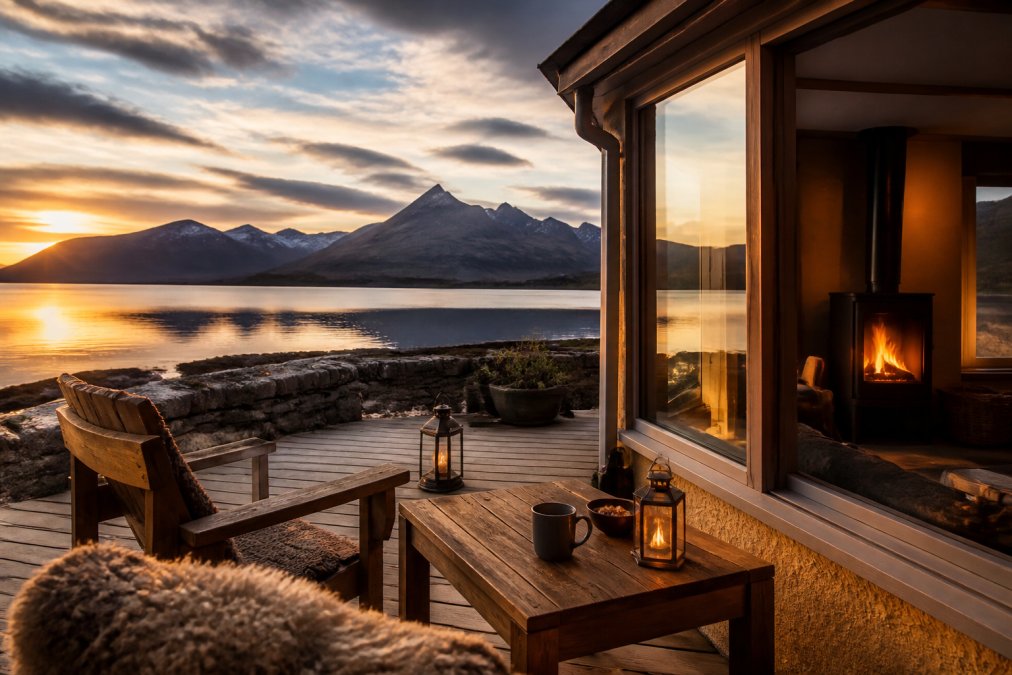
Most properties sell rooms; the memorable ones sell a rhythm for your trip: advice on when to leave for the Quiraing before the coaches arrive, where to catch the sunset over the loch, and which restaurants need booking weeks ahead. It also means considered interiors: handmade furniture, local craft, and rooms sized for comfort.
A common mistake is judging a property purely on photographs. Ask instead about room dimensions, whether breakfast is cooked fresh on site, and whether the owners live on the property.
Boutique Retreats and Lodges With Character
Boutique retreats and lodges with character are small, owner-run properties where hospitality is personal and the design reflects the place: a handful of ensuite rooms, a shared or private lounge, and breakfast built around local produce.
Character shows up in the details: a wood burner for cool evenings, handmade beds, original artwork from island makers, and views framed to catch the loch or the hills.
For couples planning a romantic getaway, this format works: privacy and a host who knows the island.
Amenities That Justify the Price: Hot Tubs, Saunas and Wood Burners
Amenities that justify the price are the ones you will actually use in a Hebridean climate. A hot tub under a dark sky, a sauna after a long coastal walk, and a wood burner for the evening all earn their place.
The test is simple: does the amenity make a wet, windy day better? A wood burner on a cool September night does. A gym nobody visits does not.
When comparing properties, ask how outdoor spaces are sheltered and how the heating copes in winter.
Luxury Self-Catering in Skye: When a Private Holiday Home Beats a Hotel
Luxury self-catering in Skye wins when your trip is built around flexibility rather than service. If you are staying a week, travelling with children, or prefer to cook with produce from island shops and smokehouses, a private holiday home gives you space a hotel room cannot.
The trade-off is real: no cooked breakfast, no daily housekeeping, and no host to call when you cannot get a restaurant table. For independent travellers that is fine; for anyone who wants their days handled, a hosted lodge is the better call.
A practical middle path is a small hosted property offering exclusive use, suiting groups of 4 to 10 who want the place to themselves without managing it.
Skye Luxury Lodge Booking Tips: Timing, Pricing and Direct Bookings
Skye luxury lodge booking tips come down to four things: book early, book direct, plan around the seasons, and treat the trip as a logistics exercise rather than a room reservation. High season runs from late spring through early autumn, and the best properties fill months ahead for July and August. For a hosted lodge, a six-to-nine-month lead time is normal for peak weeks; for exclusive-use bookings of 4 to 10 guests, add two months.
Booking direct usually gives you more flexibility than a third-party platform.
The Logistics Most Booking Guides Skip
A luxury trip to a remote island is won or lost on transport, transfers and the small services that turn a good property into an effortless stay.
Balancing Sustainability With Luxury on a Fragile Island
Sustainability and luxury are not opposites on Skye, but they require deliberate choices. A fragile island with limited infrastructure rewards properties that source locally, manage waste carefully, and respect the landscape rather than exploit it.
Logistics and Accessibility: Planning a Luxury Trip That Actually Works
Logistics decide whether a luxury trip to Skye feels effortless or exhausting. The island's roads are often single-track, weather changes quickly, and distances that look short on a map take longer than expected. This section covers the practical mechanics of the trip, and how to find genuinely accessible luxury accommodation.
Planning the Practical Mechanics
Start with the route. From the mainland, the Skye Bridge at Kyle of Lochalsh is the most reliable crossing and is rarely closed for weather. The alternative is the CalMac ferry from Mallaig to Armadale, which is scenic but exposed to wind and can be delayed or cancelled at short notice. If arriving by air, Inverness is the usual gateway, roughly two and a half hours' drive, longer in summer traffic; Glasgow and Edinburgh add several hours.
- Step-free access from parking to the entrance, and whether the path is gravel, which is difficult with a wheelchair or walking frame
- Ground-floor bedrooms and whether the bathroom has a walk-in shower rather than a shower over a bath
- Grab rails, doorway widths and turning space in the bathroom
- Whether the property has any internal steps or thresholds between rooms
- Distance from parking to the door, and whether that parking is on a slope
Accessible Luxury: The Gap Nobody Covers
Accessible luxury is the angle almost every guide skips. The relevant framework in the United Kingdom is the Equality Act 2010, which places duties on accommodation providers to make reasonable adjustments for disabled guests. A property should be able to tell you what it has done, not simply that it is 'accessible'.
Building a Trip That Works
For international visitors, logistics start before arrival. Plan your route from the mainland, build in buffer time for ferry or bridge crossings, and decide in advance which days you will drive and which you will spend close to your base.
The single most useful planning habit for Skye is to schedule fewer stops and longer stays. One well-chosen base, with your days mapped around travel time and weather, beats a packed itinerary.
Frequently Asked Questions
Where can I find luxury accommodation on the Isle of Skye?
Luxury accommodation in Skye is concentrated around Dunvegan, Edinbane and the Waternish peninsula on the westerly coastline, where boutique lodges and high-end self-catering properties sit close to Dunvegan Castle, Neist Point and the Cuillin mountains. Smaller luxury options also exist near Portree and Sleat. Look for properties offering handmade beds, ensuite rooms, gourmet breakfasts with locally sourced ingredients and loch or sea views, rather than simply a high nightly rate.
How far in advance should I book luxury accommodation in Skye?
For peak season, which runs roughly from May to September, book three to six months ahead. The island has a limited number of high-end rooms and exclusive-use properties, so the best options sell out first. If you are travelling as a group of eight or more and want exclusive use, start even earlier. For quieter months, six to eight weeks is usually workable, but booking direct with the property often gives you more flexibility on dates.
Are there exclusive self-catering options with gourmet services on Skye?
Yes. Several high-end self-catering properties on Skye offer private gardens and, in some cases, pre-arranged catering or breakfast hampers using local produce. Luxury self-catering in Skye suits small groups who want privacy and a secluded base. Ask the owner directly about gourmet add-ons, as these are rarely listed on aggregator sites and are often arranged on a bespoke basis.
Which part of the island is best for a luxury retreat?
The westerly coastline around Dunvegan and Waternish suits travellers who want tranquility, panoramic views and easy access to Neist Point and the Cuillin mountains. Portree offers more restaurants and shops but less seclusion. Sleat in the south is convenient for arrivals from the mainland. The right choice depends on whether you prioritise quiet, dining or logistics, and a good lodge will help you plan around whichever you pick.