 ultimate-guide
Bespoke Travel Planning for Scottish Highlands: Ultimate 2026 Guide
Table of Contents
- What Is Bespoke Travel Planning for the Scottish Highlands?
- Why Choose a Tailor-Made Itinerary Over Standard Tours
- How to Plan a Trip to the Scottish Highlands: Step-by-Step Process
- Best Time to Visit Scottish Highlands for a Luxury Escape
- Designing a Luxury Scottish Highlands Itinerary
- Transportation, Logistics, and Concierge Support
- Sustainable and Accessible Luxury Travel in the Highlands
- Making the Most of Your Bespoke Scottish Highlands Experience
- Frequently Asked Questions
Last Updated: August 10, 2026
What Is Bespoke Travel Planning for the Scottish Highlands?
Bespoke travel planning for the Scottish Highlands means designing a tailor-made itinerary reflecting your specific interests, pace, and preferences rather than following a pre-packaged tour. Unlike standard group tours on fixed schedules, bespoke planning prioritizes personalization, spending time on what excites you, whether whisky distilleries, remote landscapes, or heritage sites, and skipping what doesn't.
At Skye Lodge, we've learned that the best Scottish Highlands experiences come from slowing down, exploring at your own rhythm, and having a trusted local guide who knows which hidden corners matter most. A bespoke itinerary isn't simply a list of attractions; it's a thoughtfully structured journey accounting for travel time across remote terrain, weather patterns, restaurant availability, and your energy levels. The core difference lies in control: you decide duration, activities, accommodation style, and pace, while a professional hospitality partner builds logistics around those preferences, booking restaurants in advance, arranging transportation, and providing real-time adjustments.
Why Choose a Tailor-Made Itinerary Over Standard Tours
Standard group tours operate on efficiency: move quickly, maximize landmarks, keep costs low. You're bound to a coach schedule, eating at designated restaurants, and sharing experiences with strangers. A tailor-made itinerary removes these constraints. You control the rhythm, if you want to spend an extra hour watching sunrise over the Cuillin mountains rather than rushing to the next location, you can. If a restaurant recommendation resonates more than the planned venue, you pivot.
The logistics advantage is equally significant. Restaurant availability on the Isle of Skye is genuinely limited during peak seasons. Booking in advance through a local hospitality partner is the difference between dining at The Three Chimneys or settling for whatever's open. Transportation across Highland roads demands realistic time estimates; adding 20 minutes to every hour of travel planning is essential knowledge. A bespoke partner builds these realities into your itinerary from day one.
For couples seeking a romantic escape or small groups wanting exclusive experiences, tailor-made planning offers privacy and intimacy that group tours cannot match.
How to Plan a Trip to the Scottish Highlands: Step-by-Step Process
Creating a bespoke travel itinerary involves four essential steps moving from defining your vision to executing logistics. This process typically takes 4-8 weeks before arrival, allowing time for restaurant bookings, experience reservations, and thoughtful route planning.
Step 1: Define Your Travel Dates and Duration
Start with the calendar. How many nights can you realistically spend? The Isle of Skye reveals itself gradually; a 2-night stay covers major landmarks but misses quieter character. A 3-5 night stay allows genuine immersion and time to explore both famous sites like Dunvegan Castle and remote corners most visitors never reach.
Consider the season. Summer offers long daylight hours and accessible roads but brings peak tourism and higher prices. Shoulder seasons (April-May and September-October) provide excellent weather, fewer crowds, and ideal conditions for photography. Once dates are set, communicate any fixed commitments that constrain flexibility.
Step 2: Identify Your Interests and Travel Style
Rather than checking boxes on a form, have a detailed conversation about what drives your travel choices. Are you drawn to landscapes, history, food, art, solitude, or social experiences? Heritage enthusiasts might prioritize Dunvegan Castle and clan histories. Nature photographers need optimal lighting times and access to dramatic viewpoints. Whisky lovers require visits to working distilleries with knowledgeable guides. Foodies want advance restaurant reservations at venues sourcing locally.
The most useful conversations move beyond activities to underlying values. Someone saying "I want to see castles" differs from someone saying "I want to understand how people actually lived in the Highlands across centuries." The first leads to a checklist; the second leads to a narrative itinerary with depth.
Step 3: Work with a Local Hospitality Partner
A genuine local partner brings three irreplaceable assets: current knowledge, personal relationships, and problem-solving experience. They know which restaurants are genuinely excellent versus tourist-focused, which distilleries offer authentic experiences versus commercialized tours, and which viewpoints deliver actual magic versus Instagram crowds.
Skye Lodge's owners, Claire and Douglas, exemplify this partnership. Rather than simply providing a booking confirmation and a map, they offer hospitality rooted in years of living on the island. They have standing relationships with restaurants like The Stein Inn and The Three Chimneys. They understand how Highland weather affects plans and which backup experiences work when conditions shift. A quality partner asks clarifying questions before suggesting experiences and prepares you for realities that generic guides miss.
Step 4: Build Your Route and Book Experiences
With preferences and partner guidance established, the actual itinerary comes together. This involves sequencing locations logically to minimize driving time, clustering related activities, and building in rest days or flexible time for spontaneous exploration.
Route design on the Isle of Skye balances famous landmarks with quieter discoveries. Dunvegan Castle, Neist Point, and the Cuillin mountains are essential, but the journey matters as much as the destinations. Booking happens in waves: accommodation first, then restaurant reservations, then experience bookings. A professional partner also builds contingency into the itinerary, if weather prevents a planned outdoor activity, what's the alternative?
Best Time to Visit Scottish Highlands for a Luxury Escape
The optimal season depends on what you're seeking, but each season offers distinct advantages.
Late Spring (April-May) brings reliable weather, wildflowers, and manageable tourism. Days are long, sunset arrives around 9 PM. Restaurants are less crowded than summer, making bookings easier.
Summer (June-August) offers the most daylight and warmest temperatures, but brings peak tourism and higher prices. Popular restaurants fill weeks in advance.
Autumn (September-October) delivers some of the year's finest weather: crisp mornings, clear skies ideal for photography, and dramatic light. Tourism drops significantly after mid-September, making restaurant bookings more flexible.
Winter (November-February) transforms the Highlands dramatically with snow-capped mountains and limited daylight. However, winter offers profound solitude, dramatic landscapes, and the possibility of seeing the Northern Lights.
Designing a Luxury Scottish Highlands Itinerary
A luxury itinerary on the Isle of Skye balances iconic experiences with authentic moments, structured activities with unscheduled exploration, and famous landmarks with quieter discoveries.
Castle Visits and Heritage Experiences
Dunvegan Castle represents the tangible anchor of Highland history. As the seat of Clan MacLeod for nearly 900 years, it offers genuine historical depth. A bespoke itinerary sequences the visit thoughtfully, morning light favors photography of the castle's exterior, while afternoon visits allow you to explore interior rooms with fewer crowds. Some itineraries pair the castle visit with afternoon whisky or lunch at a nearby venue, creating a cohesive day rather than isolated activities.
Whisky Distillery Tours and Local Crafts
The Highlands' whisky tradition runs deep, and a genuine distillery experience moves beyond tasting notes to understanding craft and terroir. Rather than crowded commercial tours, bespoke planning often arranges visits during quieter hours or includes conversations with distillers themselves.
Equally important are the island's artisans and crafters. Skye Art connects visitors with local makers, weavers, potters, jewellers, and artists whose work reflects Highland heritage and contemporary creativity.
Scenic Landscapes and Off-the-Beaten-Path Exploration
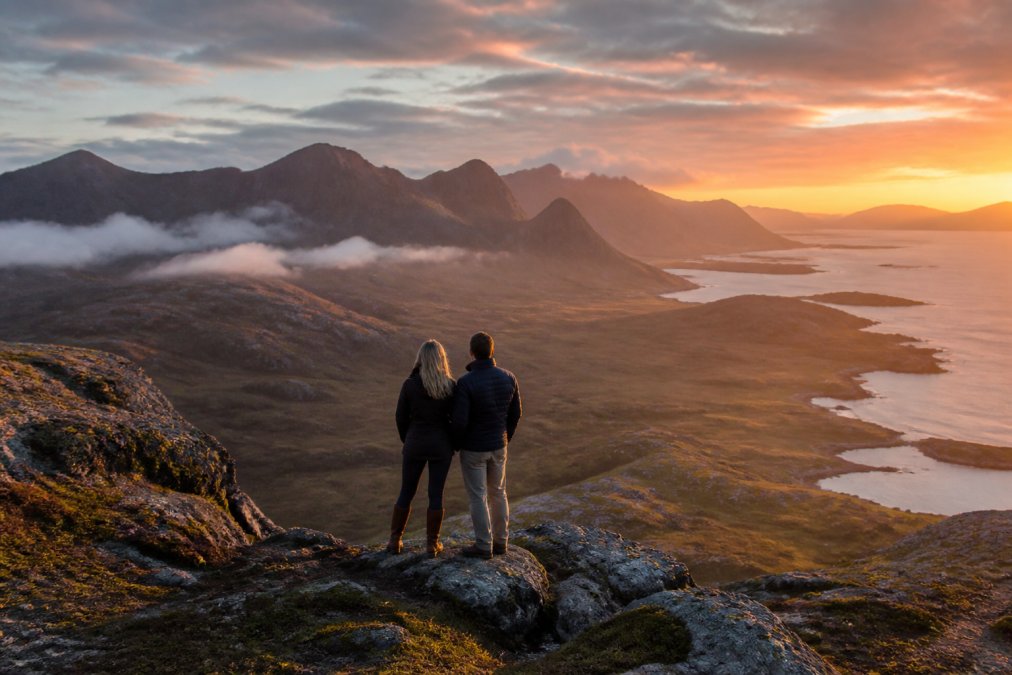
The Cuillin mountains dominate Skye's landscape, dramatic, moody, and endlessly photogenic. Neist Point offers clifftop views across the Atlantic. But the true magic often lies in quieter corners: hidden beaches, remote glens, and viewpoints that require modest walking but deliver profound solitude and beauty.
A bespoke itinerary balances famous landmarks with discovery. You'll visit essential sites, but you'll also find yourself at a nameless viewpoint watching light move across the landscape, or following a local suggestion to a beach where you encounter no other visitors.
Gourmet Dining and Local Food Experiences
The Isle of Skye's food scene has transformed dramatically. Restaurants like The Three Chimneys have elevated Highland cuisine to world-class status. A luxury itinerary treats dining as a central experience. Booking in advance is essential; a local hospitality partner ensures your reservations align with your other activities and preferences.
Transportation, Logistics, and Concierge Support
The practical infrastructure of a bespoke Highland itinerary often determines whether the experience feels seamless or stressful.
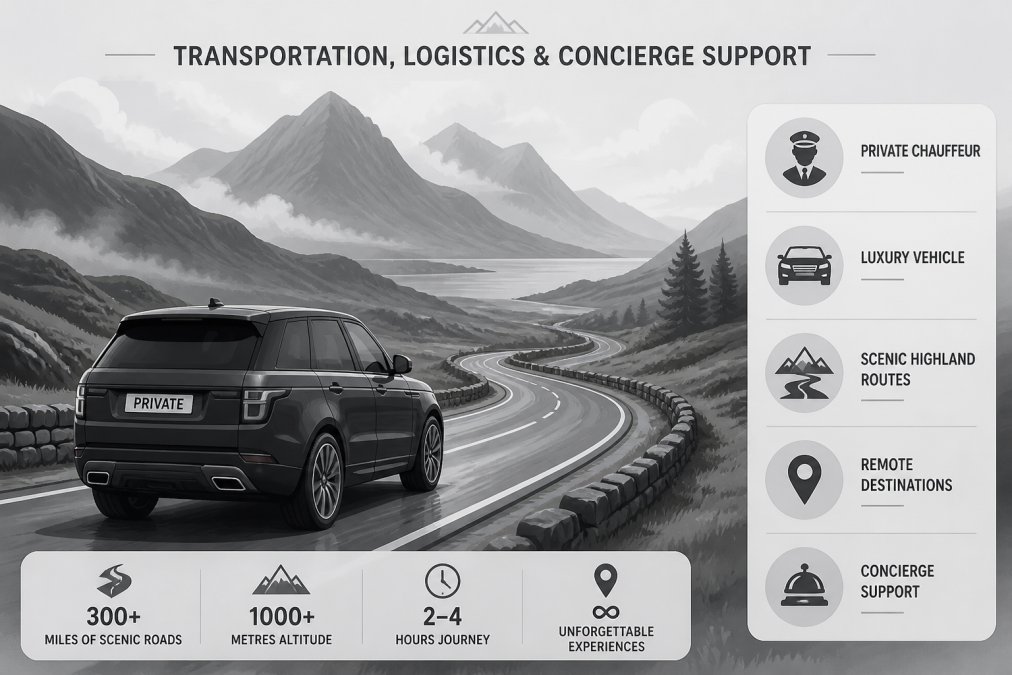
Private Transportation is the standard for luxury bespoke travel. Rather than self-driving unfamiliar Highland roads or relying on public transport with limited schedules, a private chauffeur becomes part of your experience. They navigate expertly, know optimal routes, understand timing realities, and can adjust plans if weather or conditions shift.
Timing and Pacing require realistic expectations. Highland roads are genuinely remote; adding 20 minutes to every hour of travel planning is accurate. A bespoke itinerary builds this reality into scheduling, preventing constant rushing and allowing time for spontaneous stops.
Concierge Support extends beyond booking. A quality partner remains accessible during your stay, ready to handle changes. Restaurant cancellations, weather shifts, activity adjustments, and local recommendations are managed by someone with current knowledge and established relationships.
Weather Contingency is essential. Highland weather is genuinely unpredictable. A bespoke itinerary includes indoor alternatives for outdoor-focused days and realistic expectations about what conditions might prevent.
Sustainable and Accessible Luxury Travel in the Highlands
Modern luxury travel increasingly prioritizes environmental responsibility and inclusive access. The Highlands' fragile landscapes and remote communities benefit from thoughtful, low-impact tourism.
Sustainable Practices involve minimizing unnecessary transportation, staying in one base location rather than moving nightly, which reduces carbon impact significantly. Supporting locally owned businesses, restaurants, and artisans keeps economic benefit within communities. Choosing experiences that don't damage fragile ecosystems ensures the landscape remains pristine for future visitors.
Accommodation choices matter. Skye Lodge's approach, a small, locally owned property with thoughtful design rather than a large resort, exemplifies sustainable luxury. Sourcing breakfast ingredients locally and employing local staff are concrete practices.
Accessibility and Inclusive Design ensure that luxury experiences don't exclude people with mobility challenges, sensory requirements, or dietary needs. A quality bespoke partner asks directly about accessibility needs and builds the itinerary around genuine inclusion.
Making the Most of Your Bespoke Scottish Highlands Experience
The transition from planning to arrival is where intention becomes reality. A few practices maximize the value of your bespoke itinerary and deepen your engagement with the landscape and culture.
Arrive with Flexibility. Your itinerary provides structure and security, but the best moments often arrive unexpectedly. A sudden break in weather that creates perfect light or a local recommendation that leads somewhere you didn't anticipate. Holding your plan lightly allows these moments to unfold.
Engage Directly with Local Guides and Hosts. Whether it's your accommodation hosts, restaurant staff, distillery guides, or artisans, these are the people who genuinely know the Highlands. Ask questions and listen to stories. The depth of your experience correlates directly with the quality of these human connections.
Build in Unstructured Time. Even a well-planned itinerary benefits from hours with no scheduled activities. Some of the most meaningful travel moments happen when you're not "doing" anything, simply being present in a place.
Maintain Connection with Your Hospitality Partner. If something isn't working, if you want to adjust plans, or if you need a recommendation, reach out. A quality partner like Skye Lodge remains engaged throughout your stay, ready to enhance your experience based on how your journey is actually unfolding.
A bespoke travel experience in the Scottish Highlands transforms a holiday into a genuine journey. Rather than moving quickly through a checklist, you move deliberately through a landscape and culture, supported by local expertise and freed from logistical stress. The combination of thoughtful planning, professional support, and personal flexibility creates space for both the iconic experiences you anticipated and the unexpected moments that often matter most. At Skye Lodge, we've designed our hospitality specifically to support this approach, providing a sophisticated base, local knowledge, and personalized guidance that allows you to experience the Highlands as they deserve to be experienced. Make A Reservation and begin planning your bespoke Highland journey today.
Frequently Asked Questions
What are the benefits of using a bespoke travel planner for the Scottish Highlands?
A bespoke travel planner transforms your Highland experience by tailoring every element to your interests, pace, and preferences. Rather than following a generic itinerary, you gain exclusive access to insider knowledge about hidden locations, optimal timing for activities, and seamless logistics across remote terrain. A local hospitality partner handles restaurant reservations in advance, coordinates private chauffeur services, and adjusts your plans based on weather and real-time conditions. This personalised approach eliminates wasted time, ensures you experience both iconic landmarks and quieter corners, and allows you to travel at a relaxed pace that suits a luxury escape.
What should be included in a luxury Scottish Highlands itinerary?
A well-designed luxury Scottish Highlands itinerary balances heritage, natural beauty, and culinary experiences. Include castle visits such as Dunvegan Castle, whisky distillery tours, scenic drives through remote landscapes like Neist Point and the Cuillin mountains, and visits to local artisan crafts via Skye Art. Incorporate gourmet dining at Michelin-recognised restaurants, private guided walks through off-the-beaten-path locations, and time for sunrise and sunset viewing. Allow at least three to five days to experience the island properly without rushing. Your itinerary should reflect your interests, whether that's heritage, outdoor exploration, food, or a blend of all three.
Is it better to book a bespoke tour or plan a trip to Scotland independently?
Bespoke travel planning offers significant advantages over independent travel in the Scottish Highlands. A tailor-made approach handles the logistics of remote terrain, secures restaurant bookings at popular venues in advance, and provides expert guidance on realistic travel times and hidden gems. You avoid the frustration of arriving at fully booked restaurants or discovering that a scenic drive takes longer than expected. However, independent travel works well if you have flexible dates, enjoy spontaneity, and have researched the area thoroughly. Most discerning travellers find that bespoke planning through a local hospitality partner delivers superior value by combining local expertise with personalised service.
What is the best time of year to visit the Scottish Highlands for a luxury trip?
The best time depends on your priorities. May to September offers the warmest weather, longest daylight hours, and access to all outdoor activities, though accommodation and restaurants are busiest. April and October provide milder weather, fewer crowds, and stunning spring wildflowers or autumn colours. Winter (December to February) brings dramatic landscapes and potential for snow, but daylight is limited and some roads can be challenging. For luxury travellers seeking a balance of comfort, access to experiences, and manageable crowds, May to June and September to October are ideal. Plan your bespoke itinerary around your preferred season, and book accommodation and dining well in advance.
How long should I stay in the Scottish Highlands to truly experience it?
A minimum of three to five days allows you to explore the Isle of Skye properly without rushing. This duration gives you time to visit Dunvegan Castle, experience whisky distillery tours, enjoy gourmet dining, and explore remote landscapes at a leisurely pace. Many visitors attempt to see everything in one or two days, missing the quieter corners and the restorative rhythm that defines a luxury escape. If you're staying at a sophisticated base like Skye Lodge, three nights allows you to settle in, enjoy personalised hospitality, and venture out for daily adventures without constantly changing accommodation. Shorter stays are possible but require a tightly focused itinerary.
How does a local hospitality partner help with bespoke travel planning?
A local hospitality partner such as Skye Lodge provides expert knowledge and hands-on support throughout your stay. They handle advance restaurant reservations at sought-after venues, arrange private chauffeur services, provide detailed local guidance on travel times and attractions, and adjust your itinerary based on weather and real-time conditions. Their personal relationships with local artisans, restaurants, and activity providers ensure exclusive access and seamless experiences. Rather than a 'here's a booklet, figure it out' approach, genuine bespoke hospitality means you have direct access to knowledgeable hosts who understand the landscape, the culture, and how to create a truly personalised escape tailored to your interests.
What cultural etiquette should I know when visiting the Scottish Highlands?
Respect for local heritage and traditions enhances your experience. Book restaurants and activities well in advance, as many venues operate on seasonal schedules and fill quickly. When visiting historic sites like Dunvegan Castle or engaging with local artisans through Skye Art, show genuine interest in their stories and craftsmanship. Support local businesses by dining at independent restaurants and purchasing from artisan makers. Be mindful of the landscape by staying on marked paths and respecting private land. Allow extra travel time on Highland roads, as the terrain and weather can slow journeys significantly. A local hospitality partner can guide you on these nuances and help you engage authentically with the community.