 ultimate-guide
Best 5 Day Isle of Skye Itinerary: A Complete Guide
Table of Contents
- Why 5 Days Is the Right Length for Isle of Skye
- Best Time to Visit Isle of Skye
- Your 5-Day Isle of Skye Itinerary: Day-by-Day Breakdown
- Must See Places on Isle of Skye
- Isle of Skye Travel Tips for a Smooth Journey
- Sustainable and Responsible Tourism on Isle of Skye
- Budget vs Luxury: Cost Breakdown for Your 5-Day Stay
- Conclusion: Making the Most of Your Isle of Skye Adventure
- Frequently Asked Questions
Last Updated: August 22, 2026
Why 5 Days Is the Right Length for Isle of Skye
Five days on the Isle of Skye strikes the balance between seeing the island's most compelling sights and actually experiencing them properly. Most visitors who rush through in two days leave feeling cheated. A 5-day itinerary gives you enough time to explore the dramatic geological formations of Trotternish, venture into the Cuillin Mountains, discover hidden villages, and accommodate weather delays, which matter here.
The island demands respect for its scale and conditions. Roads are narrow, single-track in many places, and weather shifts within hours. Adding 20 minutes to every hour of travel time is standard advice locals give. Five days allows you to build this reality into your plans without feeling rushed, book restaurants in advance, and talk to people who live here rather than treating the island as a checkbox exercise.
Best Time to Visit Isle of Skye
Summer (June to August) offers the longest daylight hours but brings midges, crowds, and fully booked accommodation. May and September are often considered the sweet spot: weather is more stable, daylight is generous (around 16-17 hours in May), and trails are less crowded.
Winter visits (November to February) appeal to photographers seeking solitude, though daylight shrinks to 6-7 hours. Spring (March to April) brings unpredictable weather but wildflowers and a sense of renewal.
Highland weather doesn't follow schedules. Rain, wind, and cloud are possible any month. Waterproof gear isn't optional. Plan your best-weather days around your most important activities: if hiking the Cuillin is non-negotiable, don't schedule it for day five when you might be departing.
Your 5-Day Isle of Skye Itinerary: Day-by-Day Breakdown
This day-by-day plan prioritises the island's most significant landscapes while building in time for dining, rest, and weather adjustments. The route moves logically across the island's zones rather than backtracking.
Day 1: Arrival and West Skye Exploration
Arrive early if possible. Collect your hire car if driving independently; Morrison Car Rental offers meet-and-greet at ferry terminals and train stations, saving time and stress.
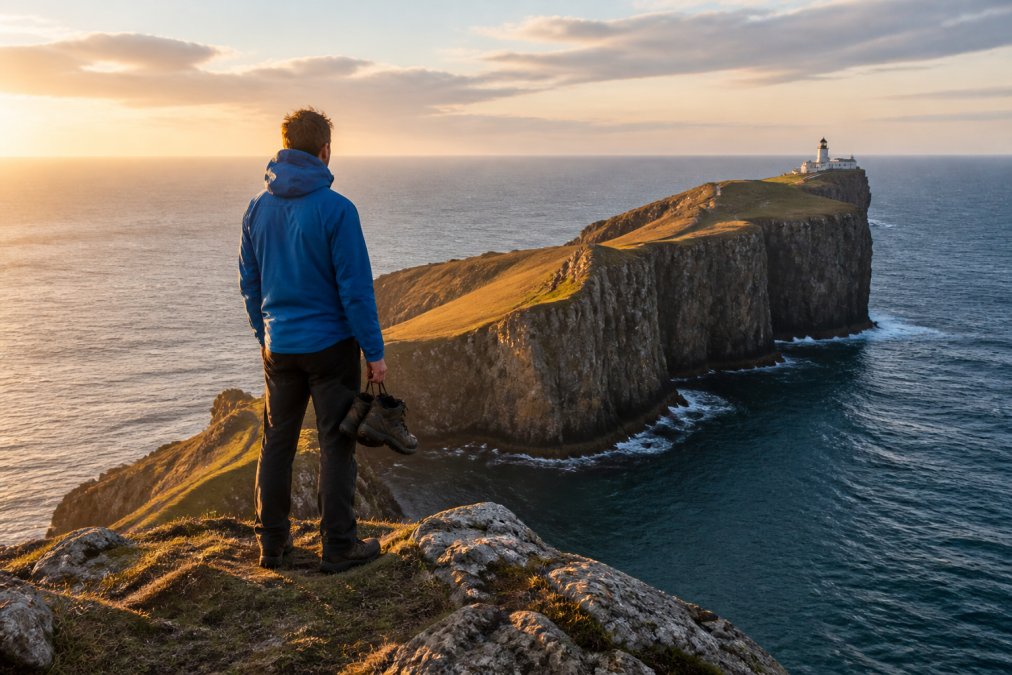
Head directly to Dunvegan Castle, the island's most visited attraction. It's substantial enough to occupy 2-3 hours: the castle, gardens, and surrounding estate. Afterwards, drive to Neist Point, the island's most westerly point. The walk is straightforward (about 30 minutes return), and the coastal views are among the island's finest. Time this for late afternoon or early evening if weather permits.
Dinner should be booked in advance. The Stein Inn (the oldest pub on Skye, 15 minutes from Skye Lodge) serves solid local food in a historic setting. Return to your accommodation early; jet lag and driving are a poor combination.
Day 2: Trotternish Peninsula and Geological Wonders
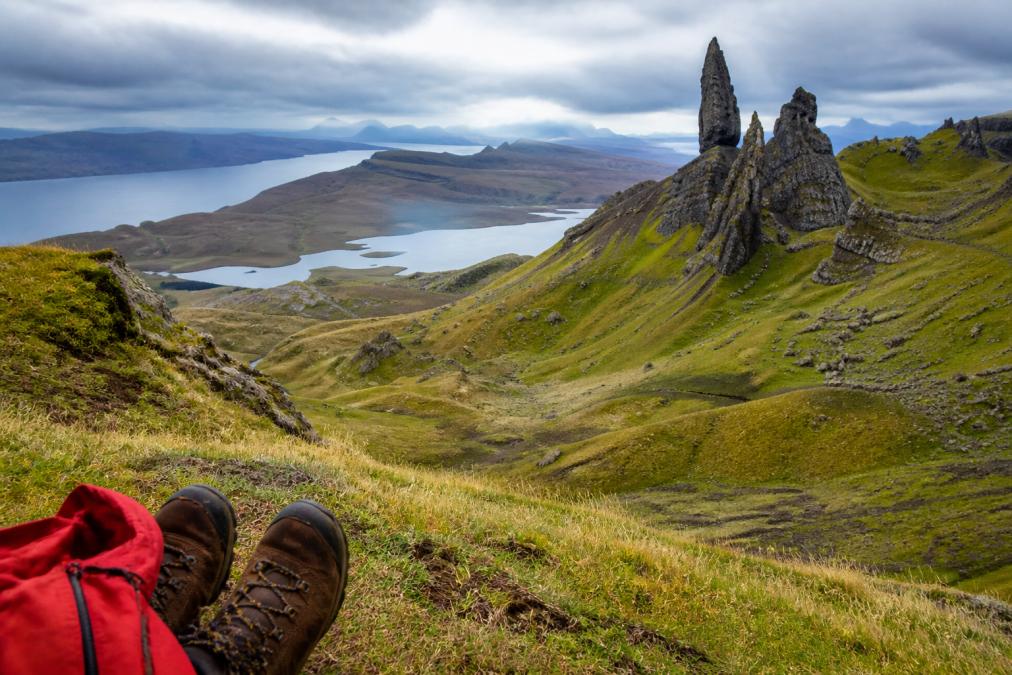
Start early at the Old Man of Storr car park. The walk is popular and crowds build quickly. The trail is well-maintained but steep in sections; allow 1.5 to 2 hours for the full circuit. The pinnacle itself is a 160-metre rock formation that dominates the landscape.
From there, drive to the Quiraing, one of the island's most dramatic hiking routes. The full walk takes 2-3 hours and involves some scrambling over uneven terrain. If you're less confident on mountain terrain, the lower loop (1.5 hours) still delivers spectacular views without the exposure. The Quiraing is essentially a collapsed mountainside; the landscape feels genuinely otherworldly.
If energy and weather permit, visit the Storr Lochs on the return drive for excellent photography potential. Dinner in Portree (the island's main town) gives you more restaurant choice. Book ahead.
Day 3: Cuillin Mountains and Loch Coruisk
The Cuillin Mountains are the island's most dramatic range and the centrepiece of any serious 5-day itinerary. They're also unforgiving terrain. This day offers two approaches depending on your fitness and experience.
Option 1: Guided mountain experience. Skye Guides, based in Broadford, offers guided trips suitable for both beginners and experienced mountaineers. They handle route-finding, safety, and can tailor the day to your ability. Allow a full day (6-8 hours including travel).
Option 2: Boat trip to Loch Coruisk. Bella Jane Boat Trips depart from Elgol and take you across Loch Scavaig to the base of the Cuillin range. The boat journey itself is the experience; you're seeing the mountains from the water, providing a perspective you can't get from land. The boat typically stays for 2-3 hours, allowing time for a short walk or simply absorbing the scenery.
Either way, treat this day as non-negotiable weather-dependent. If cloud sits on the mountains, postpone and substitute with a different activity. Hiking blind in the Cuillin is dangerous.
Day 4: Hidden Gems and Local Culture
Start with the Talisker Distillery near Carbost. It's the island's only whisky distillery and offers guided tours (book in advance). The tour covers production, history, and includes tastings. Allow 2-3 hours.
Afterwards, explore quieter villages and local culture. Visit Skye Art online or collect a detailed booklet from your accommodation to find local craftspeople and artisans. These are working artists' studios where the island's actual character emerges.
Lunch in a small village, Dunvegan, Carbost, or Broadford, rather than Portree. The Three Chimneys, a Michelin-recognised restaurant near Dunvegan, is worth booking if you want a special dinner.
Spend the late afternoon exploring single-track roads without a fixed destination. Stop where things look interesting. This is when you'll find hidden viewpoints and unexpected wildlife.
Day 5: Departure with Final Highlights
If you're leaving by evening ferry or late train, you have a full morning and early afternoon. Revisit a location from earlier in the week if weather was poor, or use the time for a final walk or activity you missed. Many people return to a favourite viewpoint or trail.
Alternatively, drive to Kilt Rock and Mealt Falls near Staffin, a dramatic waterfall dropping directly onto a beach, visible from a clifftop viewpoint. If departing early, don't waste time on driving. A sunrise walk near your accommodation or a final breakfast at a favourite café is better than rushing.
Must See Places on Isle of Skye
The island's essential sites fall into distinct categories. Geological formations dominate the landscape, but local culture and heritage sites matter equally.
Trotternish Peninsula contains the Old Man of Storr and the Quiraing, both non-negotiable. These geological formations are the island's most photographed landmarks and deserve the attention.
Dunvegan Castle is the island's most substantial historical site. It's been continuously occupied since the 13th century and offers genuine history rather than reconstructed tourism.
Neist Point is the westernmost point of Skye. The walk is short, the views are vast, and the lighthouse at the point is photogenic.
Loch Coruisk is best experienced by boat from Elgol. The loch sits at the base of the Cuillin Mountains, and the scenery is genuinely dramatic.
Kilt Rock and Mealt Falls near Staffin offer a dramatic waterfall dropping directly onto a beach. The basalt columns are geologically distinctive and less crowded than the Trotternish sites.
Local villages deserve time. Dunvegan, Carbost, and Broadford have character that Portree lacks. Walk through them, sit in cafés, and talk to locals.
Talisker Distillery is the island's only whisky producer. The tour is well-run, the product is excellent, and it offers indoor activity useful on poor-weather days.
Isle of Skye Travel Tips for a Smooth Journey
Practical preparation separates enjoyable trips from stressful ones. The island's unique conditions demand specific approaches.
Navigating Single-Track Roads and Highland Weather
Single-track roads are standard on Skye. Pull into passing places when you see oncoming traffic. Don't treat them as a challenge; treat them as normal.
Highland weather changes rapidly. Mist can descend within minutes. Wind is constant. Rain is frequent. Waterproof gear, jacket, trousers, boots, isn't optional. Merino wool layers underneath work better than cotton.
Daylight hours compress significantly outside summer. In May, you have around 16 hours. By September, it's down to 12. In winter, it's 6-7 hours. Plan outdoor activities accordingly.
Midges are a genuine issue from late May through September, particularly in calm, damp conditions. Midge repellent works, but prevention (avoiding still areas, staying in breeze) is more effective.
Booking Restaurants and Accommodation in Advance
This is non-negotiable. The island's best restaurants have limited seating and book months ahead during peak season. The Stein Inn, Edinbane Lodge, and The Three Chimneys all require advance booking.
Accommodation fills quickly, particularly in summer and autumn. Book as far ahead as possible. The IsleofSkye.com accommodation directory lists options across the island. Skye Lodge offers bespoke hospitality from owners Claire and Douglas, with handmade beds and gourmet breakfasts prepared from locally sourced ingredients, ideal if you want a sophisticated base near Dunvegan Castle and the Cuillin mountains.
Confirm bookings a day or two before visiting, particularly for boat trips and guided activities.
Transportation Options: Car Hire vs Public Transport
Car hire offers maximum flexibility. Morrison Car Rental provides meet-and-greet at ferry terminals and train stations. You can explore single-track roads, access trailheads without scheduled transport, and adjust your itinerary based on weather and interest.
Public transport (buses and coaches) connects main towns and major attractions. It's cheaper and removes driving stress but offers less flexibility.
Guided tours (Rabbie's Small Group Tours, Explore Skye) remove navigation stress entirely. You get local knowledge and a full itinerary but less flexibility and higher cost.
For a 5-day itinerary, car hire is generally the best choice unless you're not confident driving on single-track roads, in which case a guided tour or private driver is worth the cost for peace of mind.
Sustainable and Responsible Tourism on Isle of Skye
The island's popularity is straining its environment and local infrastructure. Responsible travel means thinking beyond your own experience.
Use designated car parks rather than verging or creating informal parking areas. Overspill parking damages vegetation and creates erosion.
Stick to marked trails. Walking off-trail damages fragile moorland vegetation and accelerates erosion. The trails exist for a reason.
Respect private land. Much of the island is privately owned. Stay on public paths and don't cross fences or gates without permission.
Support local businesses. Eat at local restaurants, buy from local shops, and use local guides. This keeps money in the community.
Reduce waste. Take your waste with you, particularly on hiking days. Recycling facilities exist in main towns but are less available in rural areas.
Budget vs Luxury: Cost Breakdown for Your 5-Day Stay
Cost varies dramatically based on accommodation choice, dining preferences, and activity selection. A realistic breakdown:
| Category | Budget Estimate | Luxury Estimate |
|---|---|---|
| Accommodation (5 nights) | £300-500 | £1,500-2,500 |
| Car hire (5 days) | £200-350 | £300-450 |
| Fuel | £40-60 | £50-70 |
| Dining (breakfast included or self-catering) | £150-250 | £400-700 |
| Activities & attractions | £100-200 | £200-400 |
| Ferry or transport to island | £50-150 | £50-150 |
| Total estimate | £840-1,510 | £2,500-4,270 |
Budget trips use hostels or budget B&Bs, prepare some meals themselves, focus on free or low-cost activities (hiking, viewpoints), and limit restaurant dining to casual cafés. Luxury trips use premium lodges, dine at Michelin-recognised restaurants, and book guided experiences.
The middle ground, moderate accommodation (£80-150 per night), mix of self-catering and restaurant meals, selective paid activities, costs around £1,200-1,800 for two people and offers the best value. Skye Lodge offers sophisticated accommodation with gourmet breakfasts prepared from locally sourced ingredients, positioned as high-quality. Pricing depends on quantity, dates, and delivery. Please visit our website for current prices or a quote.
Conclusion: Making the Most of Your Isle of Skye Adventure
Five days on Skye requires commitment to planning, but the payoff is genuine. The island demands respect for its weather, roads, and scale, but rewards that respect with landscapes and experiences you won't find elsewhere. Book your accommodation and restaurants in advance. Add 20 minutes to every hour of travel time. Plan sunrise and sunset viewing locations. Bring waterproof gear and walking boots.
The difference between a rushed trip and a meaningful one is often just one extra day and a willingness to slow down. Skye Lodge Dunvegan offers precisely this: a sophisticated base on the westerly coastline with personalized hospitality from owners Claire and Douglas, handmade beds, and gourmet breakfasts prepared from locally sourced ingredients. Located near Dunvegan Castle and the Cuillin mountains, it's positioned to make your 5-day Isle of Skye itinerary genuinely restful rather than exhausting.
Visit Skills UK for information on outdoor activities and adventure tourism standards
Scottish Natural Heritage guidance on responsible outdoor access
VisitScotland's Isle of Skye travel information and planning resources
Make a Reservation at Skye Lodge and experience the island properly.
Frequently Asked Questions
Q: What is a good 5-day itinerary for the Isle of Skye?
A: A balanced 5-day itinerary should include the Trotternish Peninsula with its geological formations, the Cuillin mountains, Loch Coruisk, Dunvegan Castle, and Neist Point. Spend Day 1 settling in and exploring West Skye, Days 2-3 covering the northern and central attractions, Day 4 discovering hidden gems and local culture, and Day 5 visiting final highlights before departure. This pace allows time to experience both iconic landmarks and quieter corners without rushing.
Q: What is the best time to visit Isle of Skye?
A: Late May to early September offers the longest daylight hours (essential for photography and hiking) and the most stable weather, though midges peak in July and August. April and October provide fewer tourists and pleasant conditions, though daylight is shorter. Winter visits (November to February) are quieter but involve unpredictable highland weather and limited daylight for outdoor activities. Book accommodation and restaurants well in advance regardless of season.
Q: How do I get around the Isle of Skye without a car?
A: Public transport options include local bus services connecting main towns, though frequency is limited on single-track roads. Small group tours like Rabbie's offer guided 5-day experiences covering major attractions. Private taxi services and guided day tours from operators like Explore Skye provide flexibility without self-driving. However, a car hire provides the most freedom to explore remote trailheads, hidden viewpoints, and scenic coastal routes at your own pace.
Q: What are the must-see landmarks on the Isle of Skye?
A: Essential landmarks include the Old Man of Storr and Quiraing in the Trotternish Peninsula, the Cuillin mountains, Loch Coruisk accessible by boat from Elgol, Dunvegan Castle, Neist Point lighthouse, and the Fairy Pools. Each represents distinct geological formations and natural beauty. The Trotternish Peninsula alone showcases dramatic mountain passes and scenic viewpoints that define Skye's landscape photography reputation.
Q: How much time should I budget for travel on Isle of Skye roads?
A: Add 20 minutes to every hour of estimated travel time. Highland roads are narrow, winding, and often single-track with passing places, requiring careful navigation and patience. Weather can change rapidly, affecting visibility and road conditions. This buffer ensures you arrive unhurried at trailheads, viewpoints, and restaurants, and allows time to stop for unexpected photography opportunities or wildlife spotting along the journey.
Q: Should I book restaurants in advance?
A: Yes, absolutely. Popular dining venues like The Three Chimneys, The Stein Inn, and Edinbane Lodge fill quickly, especially during peak season (May to September). Booking in advance guarantees your preferred time slot and reduces disappointment. Skye Lodge's owners can provide local dining recommendations and assist with reservations, drawing on their knowledge of which venues offer authentic local cuisine and reliable availability.