 ultimate-guide
Best Time to Visit Isle of Skye Luxury: A 2026 Guide
Table of Contents
- Understanding Seasonal Patterns on the Island
- Spring: March to May
- Summer: June to August
- Autumn: September to November
- Winter: December to February
- How Many Days in Skye Do You Need for a Luxury Experience
- Luxury Accommodation Skye: Choosing Your Base
- Best Things to Do in Skye for Couples
- Frequently Asked Questions
Last Updated: October 3, 2026
Understanding Seasonal Patterns on the Island
The best time to visit Isle of Skye luxury depends entirely on what you're seeking. Some travellers chase endless daylight and warm weather. Others prefer solitude, dramatic skies, and landscapes stripped bare by winter.
Peak season brings crowds and predictable weather, but shoulder seasons offer fewer tourists and authentic experiences. Winter transforms the landscape for those embracing volatility and limited daylight.
The real decision is what experience you're after, that shapes which activities you'll complete, which restaurants you can access, and whether you discover the island or merely pass through it.
Peak season versus shoulder season trade-offs
Peak season (June-August) offers 19 hours of daylight and stable weather, but restaurants book weeks ahead, accommodation fills quickly, and single-track roads clog with traffic.
Shoulder seasons (late April-May, September-October) offer generous daylight (14-16 hours spring, 12-14 autumn), fewer tourists, restaurant availability, and dramatic photography conditions.
Winter (December-February) shrinks daylight to 7-8 hours with severe weather, but the island empties almost entirely, offering remote retreat and regular snow-capped peaks.
Weather volatility and what to expect
The Isle experiences "four seasons in one day", sunshine, rain, and dramatic cloud breaks are routine, not occasional.
The western coast catches Atlantic systems directly; expect precipitation roughly half the days year-round. Peak season brings least rain, but autumn and winter are genuinely wet.
Wind is constant; autumn and winter bring gales that can close mountain passes. For outdoor photography or hiking, wind speed matters as much as rainfall.
Summer highs reach 15-17°C; winter lows drop to 3-5°C. The challenge isn't cold but the combination of wind, rain, and limited daylight.
Spring: March to May
Spring arrives gradually; March remains winter-like, but by May the landscape shifts entirely, revealing shoulder season advantages.
Daylight hours and landscape conditions
By May, you have 16+ hours of usable daylight, allowing morning walks to extend into evening and photography windows to stretch across the day.
The landscape responds visibly: lambs appear, wildflowers bloom, moorland shifts to greens and purples, waterfalls run high, and the Cuillin mountains emerge from winter cloud.
Shoulder season advantages for luxury travellers
Spring excels for discerning visitors: accommodation is available without months of planning, restaurants have tables, and attractions operate without queues.
Changeable weather produces compelling scenery, moody skies and dramatic light create photography opportunities that settled summer weather doesn't offer.
Slow travel becomes possible: pause when conditions are right, explore longer, and adjust plans based on weather windows, the luxury that matters most.
Summer: June to August
Summer offers easiest logistics: 18-19 hours of daylight, longest weather windows, and full capacity, but every other tourist has the same idea.
Peak season logistics and crowd avoidance
June-August brings highest visitor numbers; popular attractions become crowded, parking fills early, and restaurant reservations need months of advance booking.
Summer's trade-off is explicit: accessibility and favourable weather for crowds and reduced spontaneity. This matters less for fine dining; it matters enormously for wilderness solitude.
Summer allows couples and small groups to commit to fixed itineraries with predictable weather and regular tour schedules, provided you book early.
Outdoor photography and scenic drives
Summer's extended daylight and stable weather create ideal photography conditions: golden light, dramatic clouds, and saturated colours.
Scenic drives become enjoyable: single-track roads are navigable without weather anxiety, allowing leisurely exploration and frequent photography stops.
Summer offers reliable conditions for photographing iconic viewpoints like the Trotternish Ridge and Fairy Pools, though you'll encounter the most other photographers there.
Autumn: September to November
Autumn reveals the island's character: crowds evaporate, weather becomes dramatic, and the landscape shifts through extraordinary colour changes.
Moody atmosphere and rugged terrain appeal
September remains mild; October brings serious weather; November approaches winter. Light becomes golden and slanted, creating the moody atmosphere photographers seek as default rather than luck.
This season rewards patience and flexibility: weather shifts rapidly, and rugged terrain demands respect and engagement rather than serving as scenic backdrop.
You're responding to conditions and discovering quieter corners peak-season visitors never reach, when slow travel becomes essential.
Seasonal accessibility and weather considerations
By late autumn, mountain passes can close and daylight shrinks to 10-12 hours. This isn't a season for those seeking maximum accessibility.
It offers exclusivity and authenticity: restaurants have tables, accommodation is available, and local guides have time for genuine conversation.
Plan activities with weather contingencies and allow extra time for travel. Book restaurants in advance but maintain flexibility about dates. This season rewards those working with the island's rhythms.
Winter: December to February
Winter is polarising: daylight shrinks to 7-8 hours, weather becomes severe, and some attractions close. For remote retreat seekers, it's incomparable; for comfort seekers, it's challenging.
Snow-capped peaks and remote retreats
Winter transforms the landscape: snow appears regularly on higher elevations, golden hours stretch across limited daylight, and clear nights produce extraordinary starscapes.
The island empties almost entirely, making viewpoints solitary and walks genuinely remote. The trade-off is fewer amenities for extended stays.
Weather becomes a legitimate consideration: gales are common, roads can close, and daylight is so limited that a morning walk might consume most of your available light.
Exclusive access and limited availability
Winter's limited accommodation is an advantage for exclusive experiences: smaller properties operate intimately, restaurants offer genuine hospitality, and local guides have availability for bespoke experiences.
Winter provides better access to Skye Art crafters and local artisans, with meaningful exchanges rather than rushed transactions.
You're experiencing the island's authentic character, austere, powerful, and genuinely remote. A warm, welcoming lodge with excellent hospitality transforms winter from challenge into opportunity.
How Many Days in Skye Do You Need for a Luxury Experience
Most tourists attempt to see the island in 2-3 days, driving main routes and photographing famous viewpoints. They haven't truly experienced it.
The case for slow travel and itinerary planning
The island's genuine appeal emerges when you stop rushing. A full day in a single valley reveals more than a week of checkpoint tourism. Conversations with local craftspeople teach more than guidebooks.
Slow travel means using your time intentionally, maximising depth over quantity. Luxury accommodation becomes valuable as a retreat for reflection, not a base for rushing.
Hidden glens, remote beaches, and small villages reveal themselves only to those moving slowly, experiences that distinguish luxury visits from standard tourism.
Two-night versus five-day stays: what you'll experience
A two-night stay allows thorough exploration of immediate surroundings: Dunvegan Castle, Neist Point, the Trotternish Ridge, and famous attractions.
You won't experience the island's quieter character, extended conversations with locals, or hidden valleys that give it depth.
A five-day stay fundamentally changes the experience: dedicate full days to specific areas, adjust plans based on weather, return to loved locations, and spend genuine time with locals.
For couples and small groups, five days is the genuine luxury experience; anything less is tourism, anything more allows deeper immersion.
Luxury Accommodation Skye: Choosing Your Base
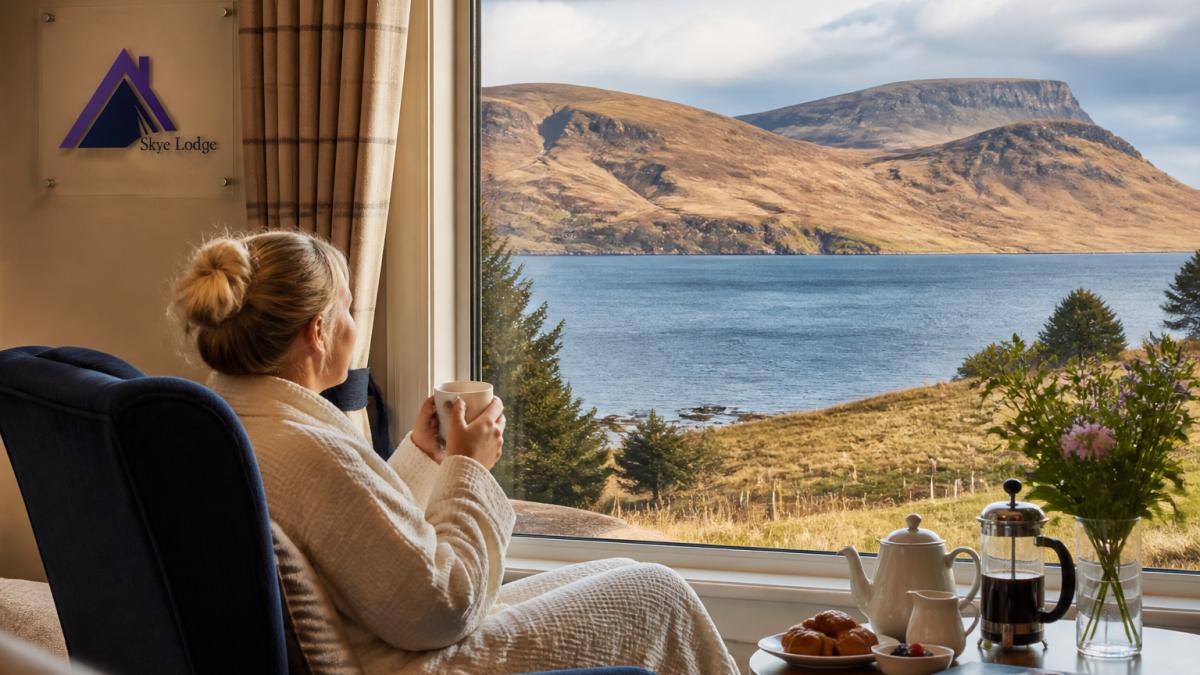
Your accommodation choice shapes your entire experience. A luxury lodge offers a base for genuine exploration, curated by someone who knows the island intimately.
Location, amenities, and bespoke hospitality
The westerly coastline location is close enough to major attractions for efficient exploration yet far enough removed to feel genuinely remote, with proximity to Dunvegan Castle, Neist Point, and the Cuillin mountains.
Physical amenities matter, but genuine luxury is bespoke hospitality: owners who know the island deeply, understand seasonal differences, recommend restaurants with genuine knowledge, and adjust itineraries based on weather and interests.
This transforms a stay from comfortable to memorable.
Fine dining access and local knowledge
The island's restaurant scene is genuinely impressive for its size. The Three Chimneys, The Stein Inn, and Edinbane Lodge all sit within 15 minutes of Skye Lodge. But knowing these exist and having access to them are different things.
A genuine luxury experience includes knowledgeable guidance on dining. How far in advance do you need to reserve?
Local knowledge extends beyond dining. This is the knowledge that transforms a visit into an experience.
Best Things to Do in Skye for Couples
Couples visiting the island seek different experiences than larger groups. Intimacy matters. Flexibility matters. The ability to pause when conditions are perfect matters more than checking off attractions.
Scenic viewpoints and nature walks tailored to two
The island's most famous viewpoints, the Old Man of Storr, Fairy Pools, the Trotternish Ridge, are genuinely spectacular. They're also genuinely crowded in peak season.
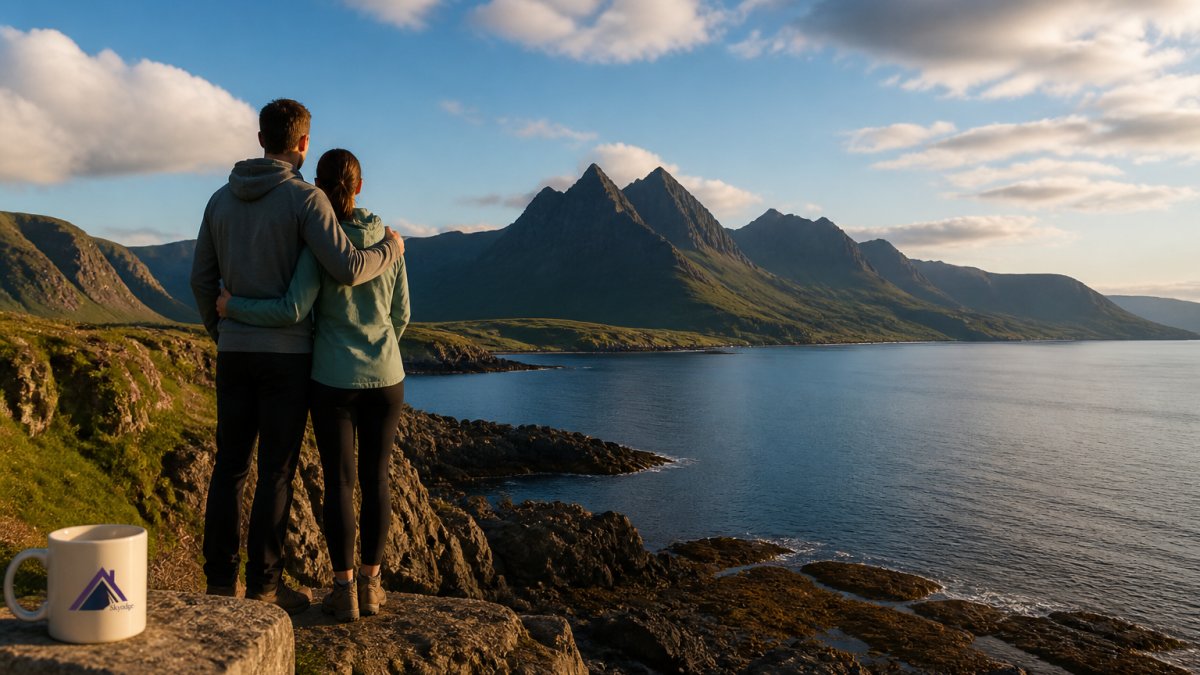
A morning walk along the westerly coastline near Skye Lodge offers dramatic seascapes and rugged terrain. The Neist Point lighthouse walk combines accessible terrain with genuine Highland atmosphere. Exploring Glen Brittle allows intimate engagement with the Cuillin mountains.
Nature walks for couples work best when you can move at your own pace, pause frequently, and adjust based on conditions and mood. You can spend an hour at a location if it speaks to you, rather than photographing and moving on.
The genuine luxury is having time and space to experience the landscape together.
Private tours and exclusive experiences
The island's artisan community, Skye Art crafters and local creators, offer opportunities for genuine engagement beyond standard tourism. A private tour with a craftsperson, arranged through local knowledge, becomes a conversation rather than a transaction.
Fine dining experiences become genuinely intimate. An evening at a restaurant where the staff know you, where they can recommend dishes based on your preferences, where the experience extends beyond the meal itself, this is luxury.
Sunset and sunrise viewing, planned for locations suited to current weather conditions, becomes a shared moment rather than a rushed checkpoint. The island's dramatic light during these hours, extended in summer, precious in winter, creates opportunities for genuine connection.
The distinction between standard tourism and luxury travel is precisely this: the ability to move slowly, engage deeply, and experience the island as it reveals itself rather than as a predetermined itinerary demands.
Choosing the right season and pace transforms a visit to the island from pleasant tourism into a genuinely transformative experience.
Frequently Asked Questions
How many days are actually needed to experience the best time to visit Isle of Skye properly?
A minimum of three nights and five days allows you to move beyond the main tourist attractions and discover the island's quieter corners, remote retreats, and hidden coastal scenery. Two nights will feel rushed; five days or more enables slower travel, better weather flexibility, and time to enjoy fine dining bookings and private experiences. The island's travel logistics require adding 20 minutes to every hour of driving on Highland roads, so extra time prevents frustration.
What is the best month for visiting luxury accommodation Skye without crowds?
May and September offer the ideal balance: shoulder season conditions with fewer tourists, extended daylight hours, and stable weather patterns. Peak season (July-August) brings crowds and fully booked restaurants; winter (December-February) offers exclusive access and moody atmospheres but limited daylight and potential seasonal accessibility challenges. Spring and autumn allow you to enjoy scenic drives, nature walks, and fine dining without peak-season pressure.
What are the best things to do in Skye for couples during different seasons?
Spring and autumn suit scenic drives and outdoor photography of the Cuillin mountains and coastal viewpoints. Summer enables longer nature walks and private tours of Dunvegan Castle and Neist Point. Winter provides intimate access to snow-capped peaks and remote retreats with minimal crowds. Couples benefit most from booking private tours, planning sunrise and sunset viewing locations in advance, and securing fine dining reservations at establishments like The Three Chimneys or The Stein Inn before arrival.
How should I plan my luxury visit if I can only stay two nights instead of the recommended five days?
Focus on a single geographic area rather than attempting a full island itinerary. Base yourself at a luxury accommodation with strong local knowledge from the owners, who can advise on the most impactful experiences within your timeframe. Book one fine dining experience in advance, plan one scenic drive or nature walk, and allow time for rest and rejuvenation at your accommodation. Two nights work best during shoulder season when weather is more predictable and you'll have better restaurant availability.