 how-to
Driving Tips for Highland Roads: A Practical Guide
Table of Contents
- Understanding Single-Track Road Etiquette
- Driving in Scotland for Tourists: Key Rules and Hazards
- Hiring a Car for Remote Travel: Vehicle Selection Matters
- Mastering Windy Roads and Steep Gradients
- Planning Your Route and Managing Fuel Stops
- Dealing with Oncoming Traffic and Reversing on Single-Track Roads
- Night Driving and Emergency Breakdown Protocols
- Frequently Asked Questions
Last Updated: August 13, 2026
Understanding Single-Track Road Etiquette
Single-track roads are narrow lanes found in remote rural areas where two vehicles cannot pass safely without one pulling aside. These roads connect Highland and Island communities, villages, farms, and tourist destinations where wider infrastructure isn't practical. Understanding single-track road etiquette is fundamental to safe travel and respectful interaction with local drivers.
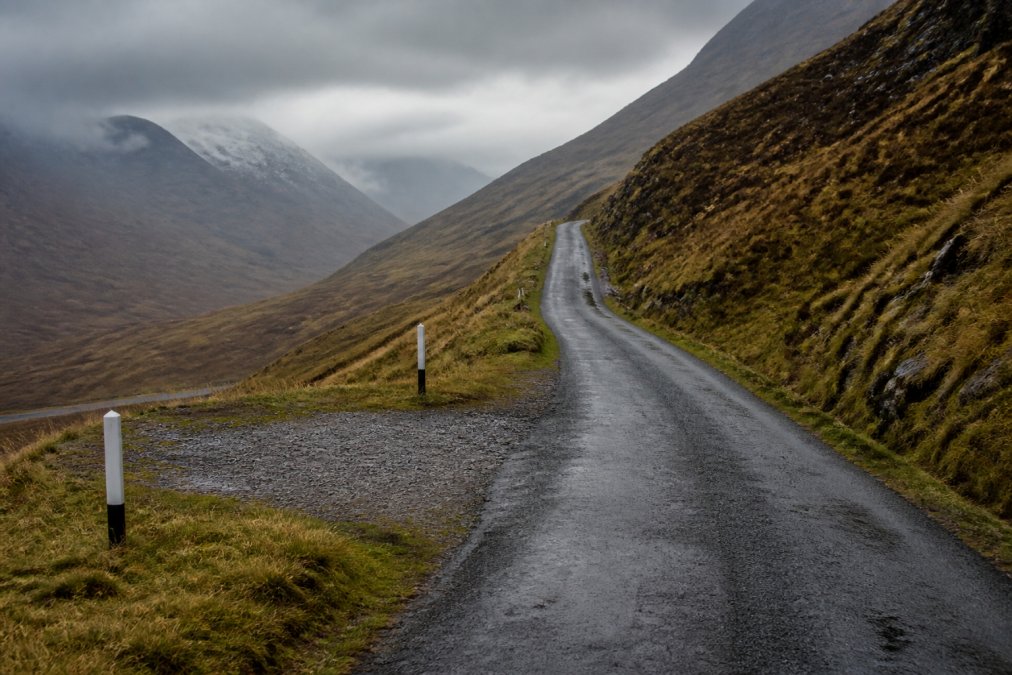
Passing places are small lay-bys or widened sections positioned at regular intervals, typically every 100-200 metres, marked with white posts or painted lines. If you're driving uphill and meet a vehicle coming downhill, the uphill vehicle should pull into the nearest passing place. On level sections, whoever spots the passing place first should use it. Never assume the other driver will reverse; take responsibility for your own positioning. Local drivers know these roads intimately and often drive quickly; tourists should always pull over when meeting oncoming traffic.
Reversing on single-track roads should be your last resort. If necessary, reverse slowly and deliberately, keeping an eye on your wing mirrors. Never reverse around a blind corner; pull forward until you have clear visibility.
Driving in Scotland for Tourists: Key Rules and Hazards
Driving in Scotland requires keeping left on all roads. If you're used to driving on the right, this demands conscious effort for the first few hours. Flash your headlights to thank drivers for pulling over. Use indicators well in advance on narrow roads. Never tailgate; Highland roads demand patience. Speed limits are 30 mph in built-up areas, 60 mph on single-track and rural roads, and 70 mph on motorways, but adjust for conditions, visibility, and weather.
Wildlife and livestock present genuine hazards. Sheep often wander across roads without warning, particularly in spring and autumn. Deer can suddenly cross your path at dawn and dusk. Brake gently and wait; sudden movements cause panic and unpredictable behaviour.
Weather changes rapidly in the Highlands. Fog can reduce visibility to metres within minutes. Rain makes roads slick and gravel surfaces treacherous. Check the weather forecast before setting out and allow extra time; a rule of thumb from locals is to add 20 minutes to every hour of travel on Highland roads.
Hiring a Car for Remote Travel: Vehicle Selection Matters
Choose a compact or mid-size car for Highland driving. Larger vehicles, full-size SUVs, vans, or motorhomes are difficult to manoeuvre on single-track roads and require more reversing. All-wheel drive is useful in winter or after heavy rain but not essential in summer. Ground clearance matters more; Highland roads have rough surfaces, potholes, and sections where the verge drops away sharply.
Before driving away from the hire company, inspect the windscreen for cracks, check all lights work, test wipers and windscreen washer fluid, verify the spare tyre is present, and check the fuel gauge. Familiarise yourself with the vehicle's controls: adjust the seat, mirrors, and steering wheel; understand heating and wiper operation; locate the hazard light button.
Mastering Windy Roads and Steep Gradients
Cornering on Highland roads requires slowing down before the bend, not during it. Brake smoothly and deliberately to reduce speed, then turn the steering wheel progressively as you navigate the corner. Accelerate gently only once you've straightened the wheel.
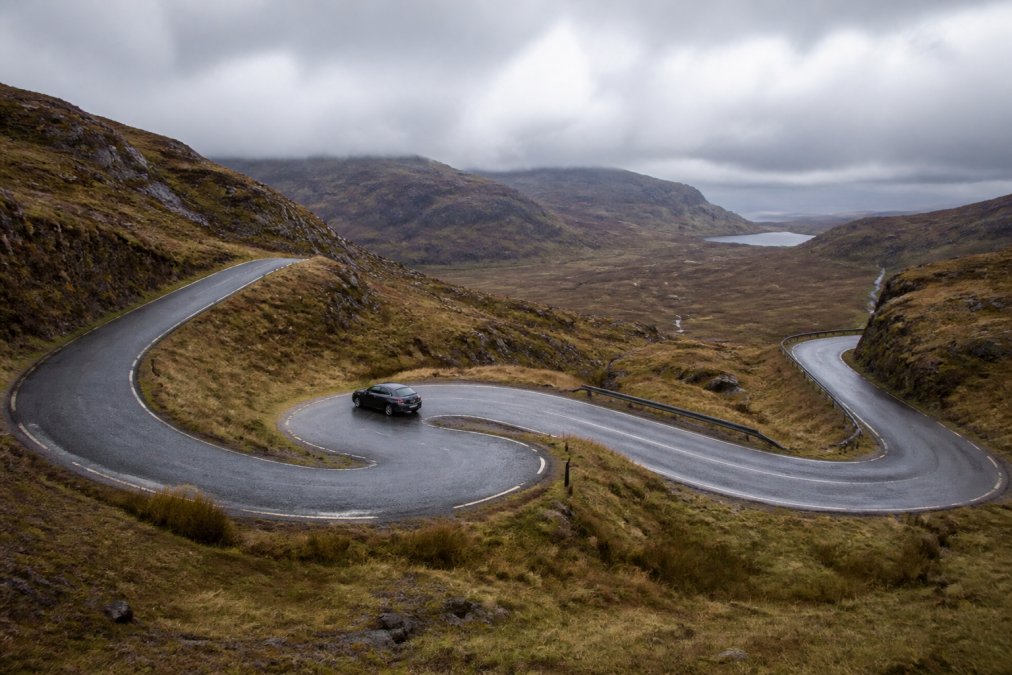
On steep descents, use lower gears to provide engine braking rather than riding the brakes continuously, which causes brake fade. Shift into third or second gear before descending, allowing the engine to slow the vehicle naturally. Use brakes intermittently to maintain control.
Approach blind corners slowly and stay toward your side of the road. If you meet an oncoming vehicle, one driver will need to reverse; ideally, the driver closest to a passing place should do so. Verges are often unstable; drifting onto them at speed causes loss of control. Stay alert to your position, particularly on narrow sections.
Planning Your Route and Managing Fuel Stops
Digital navigation apps underestimate journey times on single-track roads. A 90-minute journey on a map often takes two hours or more. Add 20 minutes to every hour of travel to account for passing places, wildlife encounters, and cautious driving.
Plan fuel stops before departing. Petrol stations in remote areas are sparse and sometimes have limited hours. Fill your tank whenever you pass a station, even if not empty. Download offline maps before travelling; Google Maps and Apple Maps allow offline downloading of specific regions.
Plan specific destinations and viewpoints rather than trying to "see everything." Identify sunrise and sunset viewing locations in advance. Book restaurants ahead, particularly popular establishments like The Three Chimneys, The Stein Inn, and Edinbane Lodge, which fill up quickly during peak season.
Dealing with Oncoming Traffic and Reversing on Single-Track Roads
Right of way is determined by passing place positioning, not vehicle type or direction. Whoever is closest to a passing place should use it. As you approach another vehicle, scan ahead for passing places. If you spot one, signal your intention by indicating left and slowing down.
Reverse slowly when necessary, at walking pace. Keep both wing mirrors visible. If reversing around a bend, consider getting out to guide yourself. Acknowledge drivers who pull over with a wave or headlight flash. Pull over decisively; hesitation confuses the other driver. Don't feel pressured to match local drivers' pace; find a safe place to pull over and let them pass.
Night Driving and Emergency Breakdown Protocols
Night driving on Highland roads demands extra caution. Visibility is severely reduced, and wildlife is more active and harder to see. If possible, avoid driving after dark. If you must, reduce speed significantly, use dipped headlights, and allow 20-30 minutes for your eyes to adjust to darkness. Take regular breaks every 90 minutes. If fatigued, stop immediately rather than risking an accident.
If your vehicle breaks down on a single-track road, turn on hazard lights immediately. Move the vehicle to a passing place or wider section if possible. Call breakdown cover; major providers like the AA and RAC operate throughout the Highlands, though response times in remote locations can be 60-90 minutes. Provide your exact location using landmarks, road signs, or GPS coordinates. Never attempt major repairs yourself on a narrow road; your safety is more important than getting back on the road quickly.
Driving Highland roads transforms from intimidating to manageable when you understand the specific challenges and techniques involved. The roads demand respect, patience, and realistic time planning, but they reward careful drivers with access to spectacular landscapes. Base yourself somewhere like Skye Lodge, where the owners Claire and Douglas offer local knowledge and can help you plan routes that match both your interests and driving confidence. They understand what it takes to explore the island safely and can recommend specific routes, timing strategies, and dining reservations that make your Highland driving experience genuinely enjoyable. Make a reservation with Skye Lodge to start your journey with expert local guidance and a peaceful base for your Highland adventures.
Frequently Asked Questions
What are single-track roads and how do I use passing places?
Single-track roads are narrow lanes where two vehicles cannot pass safely. Passing places are small widened sections marked with a white diamond sign. When you see an oncoming vehicle, pull into the nearest passing place on your side of the road. If the oncoming driver reaches a passing place first, they will use it, and you continue. Never block a passing place. Reversing to a passing place is acceptable if necessary, but it should be your last resort.
Are Highland roads difficult for inexperienced drivers?
Highland roads present challenges including single-track sections, steep gradients, sharp bends, and unpredictable weather. Inexperienced drivers can manage them safely by reducing speed, planning extra time (add 20 minutes per hour of travel), staying alert for oncoming traffic, and avoiding night driving. Hiring a smaller, easier-to-maneuver vehicle helps. Many visitors drive them successfully by respecting the road's demands and driving defensively.
What should I do if I encounter livestock on the road?
Slow down immediately and approach cautiously. Sheep and deer may move unpredictably. Use your horn gently to alert them, but do not accelerate suddenly. Stop if necessary and wait for the animals to clear the road. Never try to drive through them. If livestock is blocking a single-track road, you may need to reverse to a passing place to allow a local driver (who knows the animals' behaviour) to pass first.
How should I choose a car for driving remote Highland roads?
Select a vehicle with good ground clearance, reliable brakes, and a turning circle small enough for single-track roads. Compact cars or small SUVs are ideal; avoid large vans or wide vehicles that struggle on narrow lanes. Check tyre tread depth and condition before departure. Ensure the car has a full fuel tank and a spare tyre. Ask your hire company about breakdown cover and their response times in remote areas, this is essential insurance for Highland driving.