 How-to
How to Pack for an Evening Walk on Skye
Last Updated: November 17, 2026
Quick Summary
Pack for an evening walk on Skye in layers: a waterproof jacket and trousers, a warm fleece, and a headtorch with spare batteries. Light fades fast, so bring a charged phone with an offline map and plan your turnaround before dusk. Midge repellent and a whistle are also worth taking on evening walks.
- Carry a headtorch with spare batteries or a second small light.
- Wear layers, including a waterproof jacket with a hood you can fasten under your chin.
- Download an offline map before you leave, as signal is patchy on many paths.
- Turn back earlier than you think you need to, since the return leg often takes longer.
- Apply midge repellent before leaving the car, as midges are most active in early evening.
Table of Contents
- Why an Evening Walk on Skye Needs Different Packing
- Dressing for Changeable Weather: What to Wear for Walking on Skye
- Footwear and Layers for Muddy, Rocky Paths
- Light, Visibility and Safety Gear for Dusk
- Midges, Water and Comfort: The Small Extras
- Skye Walking Packing List: A Compact Daypack Checklist
- Short Walks Near Dunvegan to Try Tonight
- Booking Your Evening Walk Base at Skye Lodge
- Frequently Asked Questions
Why an Evening Walk on Skye Needs Different Packing
Visitors often ask what to take on evening walks, and the answer is different from a daytime hike. Light fades faster than many visitors expect, especially in the autumn and winter months. A path that feels easy at four o'clock can feel tricky by half past eight.
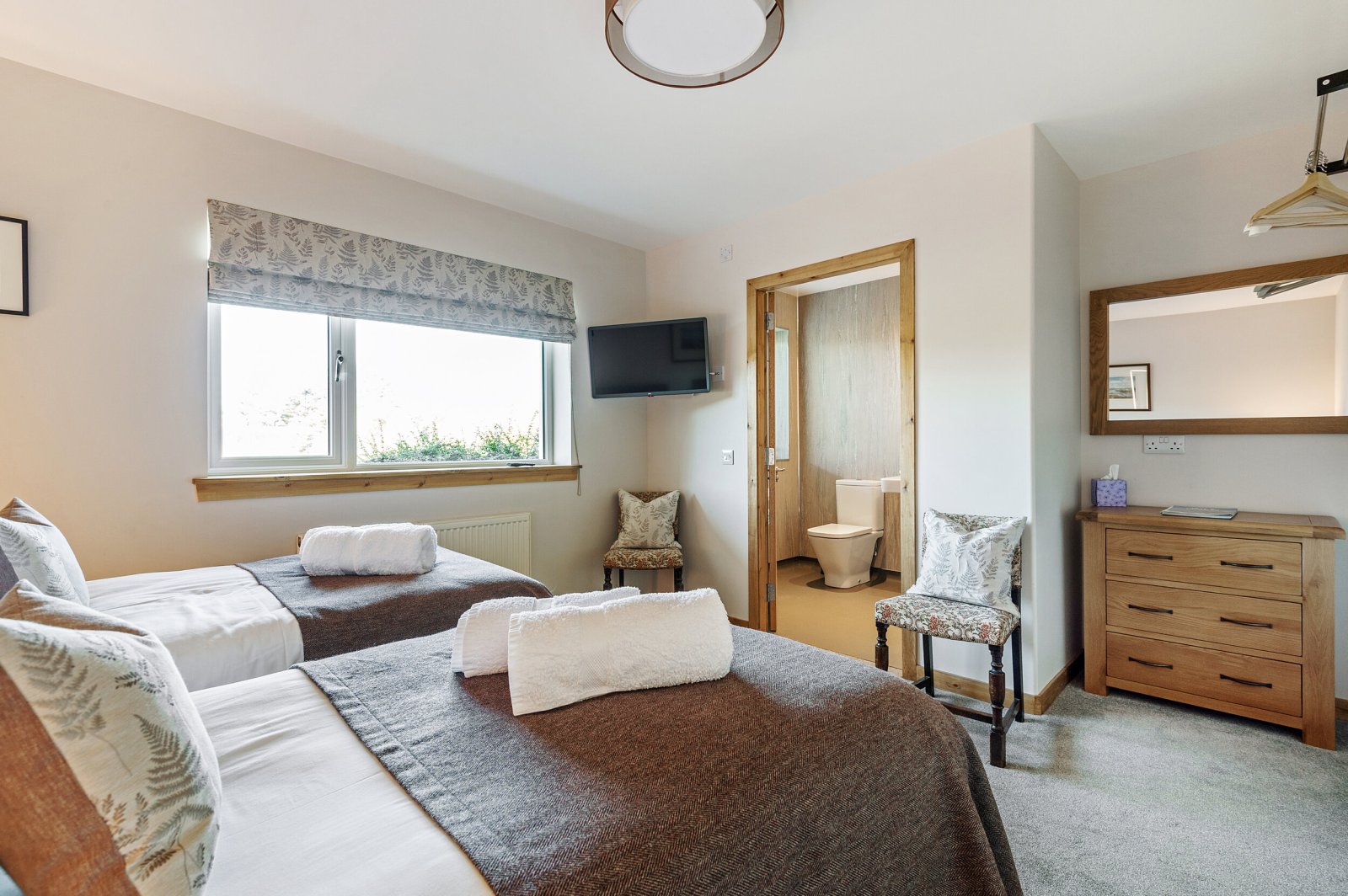
Before you head out, plan for three things: lower light, changing weather, and the drive back. Skye's single-track roads are slower at dusk, so allow extra time. Allow extra time for travel on the Highland roads, and treat the walk as the evening's main event rather than a quick add-on.
Dressing for Changeable Weather: What to Wear for Walking on Skye
Skye can give you sunshine, rain and wind in the same hour. Dress in layers so you can adjust as you walk. A thin base layer, a fleece or warm jumper, and a waterproof jacket cover most conditions. For more on packing light for a week here, see packing light for a week in Scotland.
- Waterproof jacket: choose one with a hood you can fasten under your chin.
- Waterproof trousers or walking trousers: wet legs get cold fast once the sun drops.
- Warm layer: a fleece or light jumper works well, even in summer.
- Hat and gloves: the wind off the loch can feel sharp after dark.
Keep a spare dry top in your daypack.
Footwear and Layers for Muddy, Rocky Paths
Many Skye paths are muddy, rocky or uneven, and they can be slippery when wet. Sensible walking boots or waterproof shoes with good grip are the safest choice.
Pack a spare pair of socks in a dry bag, as wet feet can quickly spoil a walk.
Light, Visibility and Safety Gear for Dusk
Once the light starts to go, visibility drops quickly on evening walks, and the gap between "still light" and "properly dark" on Skye can be shorter than visitors expect. The single most useful item you can carry is a headtorch, hands-free light lets you read a map, check footing and unlock a car without juggling a phone torch. Pack spare batteries or a second small light so you are never caught out.
Seasonal daylight planning. Daylight hours on Skye swing enormously across the year. Around the summer solstice it stays light well into the evening, and a walk that starts after dinner can finish in twilight. Around the winter solstice, darkness falls by late afternoon, so an "evening walk" may need to start before lunch or move to a well-lit village route. Check the sunset time for your exact date before you leave, and work backwards: allow the full walking time plus a buffer, and plan to be back well before full dark rather than at the edge of it. The return leg on rough ground often takes longer than expected, so it helps to turn back earlier than you think you need to.
Emergency equipment for fading light. Beyond the headtorch, a small set of items earns its place in the pack:
- Headtorch with spare batteries, or a second small light
- Phone with a charged battery and an offline map downloaded before you leave, signal is patchy on many paths
- A whistle, to signal if you are injured or disoriented
- A small first aid kit for cuts, blisters and sprains
- A reflective item or bright jacket so you can be seen by passing traffic on single-track roads
- A foil emergency blanket, which weighs almost nothing and makes a real difference if you are stuck after dark
Route-specific evening risks. Not all paths are equal at dusk. Easy, well-kept tracks near the village are fine in twilight, but exposed ridges, boggy ground and rocky scrambles are poor choices close to dark: a slip on wet rock is far more serious when no one can see you, and boggy ground is harder to read in low light. Match the route to the light you will actually have on the return leg, not the light you set out in.
Watch out: many visitors check the sunset time but forget that the light fades fastest in the last half hour before sunset, plan your turnaround so you are on easy ground by then.
The article's key gear and daylight facts can be scanned at a glance:
| Item | Why it matters | Note |
|---|---|---|
| Headtorch | Hands-free light for map, footing and car | Carry spare batteries or a second light |
| Charged phone and offline map | Navigation where signal is patchy | Download the map before you leave |
| Whistle | Signals if you are injured or disoriented | Carry it on every outing |
| Foil emergency blanket | Warmth if stuck after dark | Weighs almost nothing |
| Reflective item or bright jacket | Visibility to traffic on single-track roads | Wear it on roadside sections |
| Turnaround timing | Gets you on easy ground before dusk | Fades fastest in the last half hour before sunset |
Midges, Water and Comfort: The Small Extras
Midges are most active in calm, damp conditions, which often means the early evening. A midge repellent and a head net can make a real difference. Apply repellent before you leave the car rather than on the path.
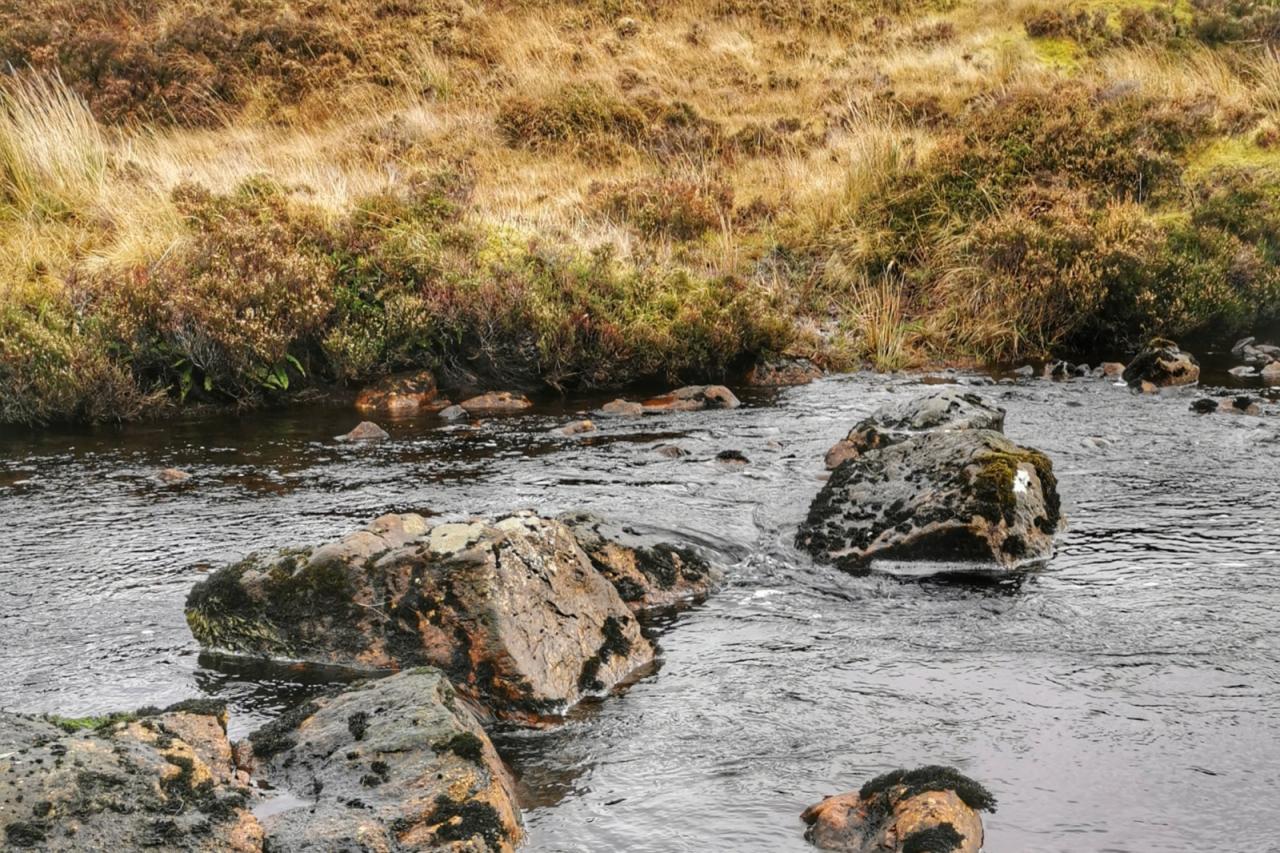
Carry a litre or so of water, a snack, toilet roll and wet wipes, and a few small ziplock bags to keep things dry. A dry bag or pack liner protects your phone and camera from sudden showers.
Skye Walking Packing List: A Compact Daypack Checklist
Keep the pack light so the walk stays enjoyable. This checklist covers most evening outings:
- Waterproof jacket and waterproof trousers
- Warm layer (fleece or jumper)
- Spare dry top and socks in a dry bag
- Walking boots or waterproof shoes
- Hat and gloves
- Headtorch and spare batteries
- Charged phone and offline map
- Midge repellent and head net
- Water, snack and first aid kit
- Toilet roll, wet wipes and ziplock bags
Keep the daypack to what you actually need. A compact load is easier on uneven ground and makes the evening far more pleasant.
Short Walks Near Dunvegan to Try Tonight
If you are staying near Dunvegan, several short walks start and finish in the village, so you can head out after dinner and be back in good time. One option is the Harbourside walk from Dunvegan, which passes the village's shops and cafes.
Choosing a route for the light you will have. The key evening question is not "which walk is best?" but "which walk suits the light on my return leg?" Easy, well-kept tracks near the village are fine in twilight. Exposed ridges, boggy ground and rocky scrambles are poor choices close to dark: a slip on wet rock is far more serious when no one can see you, and boggy ground is harder to read in fading light. Match the route to the conditions, not to the photos.
Seasonal daylight and departure time. Daylight hours on Skye swing enormously across the year. Around the summer solstice it stays light well into the evening, and a walk that starts after dinner can finish in twilight. Around the winter solstice, darkness falls by late afternoon, so an evening walk may need to start before lunch or move to a well-lit village route. Check the sunset time for your exact date, allow the full walking time plus a buffer, and plan to be back well before full dark.
Route-specific evening risks. Easy, well-kept tracks close to the village are the safest bet after dark, while rougher ground and descents need more care in low light or wet conditions. For a quick, low-effort option, try the Cnoc Beag walk. For any route, tell someone where you are going and when you expect to be back.
Watch out: the return leg on rough ground often takes longer than the outward leg, so turn back earlier than you think you need to.
Booking Your Evening Walk Base at Skye Lodge
Staying a few nights gives you time to choose your walks around the weather and the light, rather than rushing. You can stay three nights or more at Skye Lodge Dunvegan to make the most of your evenings on the island. Our owners, Claire and Douglas, can share local knowledge about evening paths near Dunvegan. Book your stay directly with us to plan your evenings on Skye.
Frequently Asked Questions
What should I wear for an evening walk on Skye?
Dress in layers you can add or remove as the wind and temperature shift. A base layer, a fleece or warm jumper, and a waterproof jacket cover most conditions. Pick walking trousers that dry quickly, and add a hat and gloves, as evenings on the island often feel colder than the afternoon. Bright or reflective items help you stay visible if you walk on a road or a shared track after dark.
What should I pack for a short walk on Skye?
For a short walk near Dunvegan, carry a lightweight daypack with a waterproof layer, a warm layer, water, a small snack, a headtorch with spare batteries, and a charged phone with an offline map saved. Add a small first aid kit and midge repellent in summer. Keeping the pack light makes it easier to walk briskly if the weather turns.
Do I need waterproofs for walking on Skye?
Yes, in most months. A waterproof jacket is the minimum, and waterproof trousers are worth packing if you plan to walk on wet grass or boggy ground. Pack a dry bag or a pack liner so your spare layers stay dry on the way back.
Is it safe to walk on Skye after dark?
Short evening walks on quiet paths close to your accommodation are generally manageable with the right preparation. Check sunset times before you set off, use a headtorch and carry a fully charged phone, and tell someone where you are heading. Avoid unfamiliar moorland routes after dark, and turn back early if the cloud cover thickens or the wind picks up. Our hosts at Skye Lodge can suggest routes suited to evening conditions.