 how-to
How to Find Pet-Friendly Luxury Lodges in Dunvegan
Table of Contents
- What Defines a Luxury Lodge for You and Your Dog
- Pet Policies for Luxury Lodges: Questions to Ask Before Booking
- Step 1: Verify the Outdoor Space and Walking Access
- Step 2: Best Dog Walks Near Dunvegan to Plan Your Days
- Step 3: What to Pack for a Dog-Friendly Holiday
- Step 4: Master the Logistics of Traveling to Skye with a Dog
- Seasonal Considerations for Your Dunvegan Dog-Friendly Stay
- Conclusion: Book With Confidence at Skye Lodge
- Frequently Asked Questions
Last Updated: September 5, 2026
What Defines a Luxury Lodge for You and Your Dog
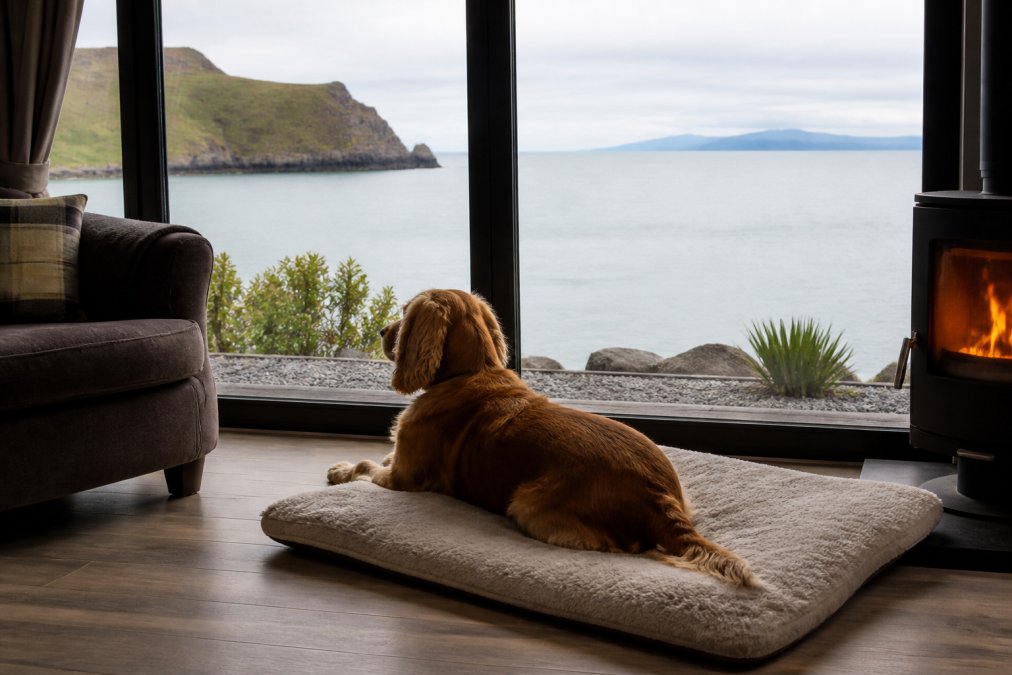
Finding pet friendly luxury lodges in Dunvegan comes down to one question: does the property treat your dog as a guest or as an afterthought? True luxury means more than a bowl and a bed in the kitchen, it means space for your dog to settle, surfaces that won't cause anxiety, and an owner who genuinely welcomes canine visitors.
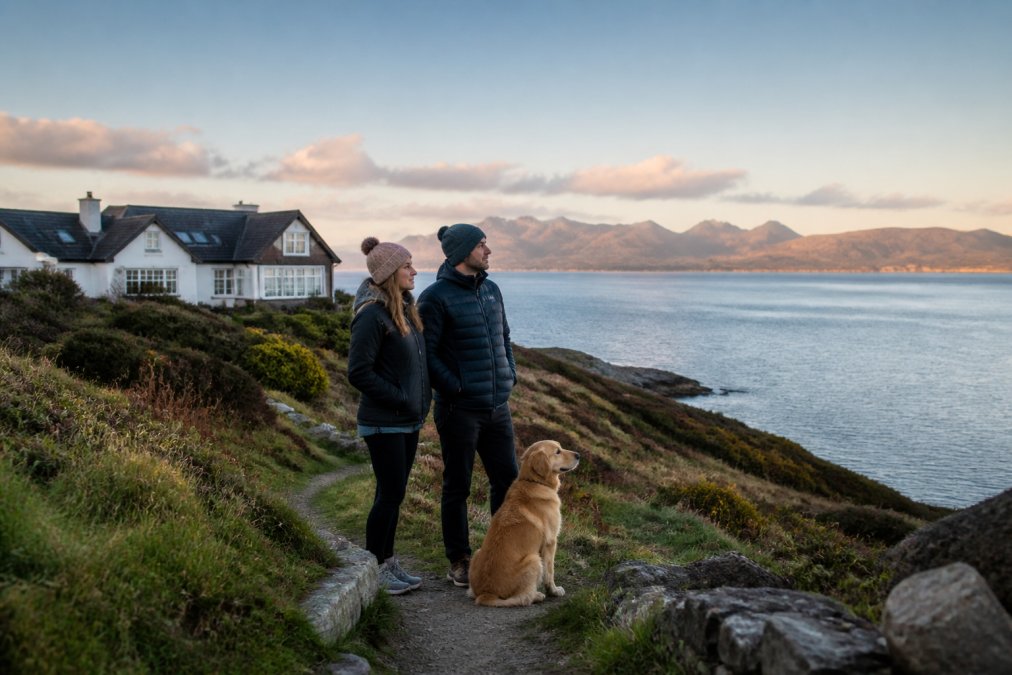
At Skye Lodge, we have hosted guests with dogs on the westerly coastline of the Isle of Skye, and we know the difference between a property that claims to be dog-friendly and one that is designed for it. The distinction shows up in the details: towel rails at paw height, enclosed outdoor areas, and a calm environment where a well-behaved dog can relax alongside you.
A genuine luxury stay is defined by a specific, verifiable set of criteria that go far beyond tolerance. When comparing properties, use this checklist to separate marketing from substance:
- A secure, enclosed garden: Not just 'outdoor space', but a fenced area where your dog can be let off-lead safely. Ask for the boundary height and whether the gate is self-closing. A property that cannot guarantee this is not luxury for a dog owner.
- A dedicated dog bed and feeding station: Not a blanket thrown on the floor, but a proper bed, often with a washable cover, placed in a quiet corner away from foot traffic. Some properties go further with a welcome hamper containing treats, poop bags, and a local map with dog-friendly routes marked.
- Honest, proactive communication about restrictions: The best owners tell you before you book if there are carpeted stairs, neighbouring livestock, or areas of the garden that are not secure. They volunteer this information because they want the stay to work for both of you.
- Proximity to a private or quiet beach: Dunvegan's coastline has several spots where dogs can run freely without crowds. A lodge that is within walking distance of such a spot, or that provides a map to the quietest times, adds genuine value.
- Hard flooring in key areas: Luxury for a dog owner often means not worrying about muddy paws on a cream carpet. Properties with underfloor heating and stone or wood floors in the entrance and living areas are designed for real life with a dog.
- A dog-washing station or outdoor tap: After a walk along the loch or a muddy hill trail, a warm-water dog wash or at least a dedicated outdoor tap with a towel rail makes the difference between a relaxed evening and a cleanup operation.
The best luxury lodges understand that your dog is part of the holiday experience, providing enclosed gardens, nearby trails, and honest guidance about local pet policies. "Luxury" for you means peace of mind: knowing your dog is safe, comfortable, and genuinely welcome. If a property mentions dogs only in the small print, or cannot answer a direct question about garden security with specifics, it is not a luxury option.
Pet Policies for Luxury Lodges: Questions to Ask Before Booking
Pet policies for luxury lodges vary far more than you might expect, and the small print often hides the details that matter most. Ask direct questions rather than assuming the website tells you everything.
Start with the basics: Is there an additional fee, and what does it cover? Are dogs allowed in all areas or restricted to certain rooms? Is there an enclosed garden or outdoor space where your dog can roam off-lead? Many owners find that asking these questions upfront prevents disappointment later.
A common mistake is assuming that "pet-friendly" means unlimited freedom. Some luxury lodges welcome dogs in public areas but not in bedrooms, while others restrict dogs to ground-floor rooms. Ask whether the property has hard floors or carpet, whether there are other dogs on site during your stay, and what the arrangements are for cleaning up after your dog.
The tone of the response tells you as much as the content. A property that answers warmly and specifically, offering practical advice about walks and local vets, is likely to deliver a better experience than one that responds with a list of restrictions.
Step 1: Verify the Outdoor Space and Walking Access
The single most important factor in choosing pet friendly luxury lodges in Dunvegan is the quality of the outdoor space and the walking access from your front door, more than the thread count of the bed linen or the quality of the breakfast.
Ask specific questions: Is the garden fully enclosed? Can your dog be left alone in the outdoor space? What is the walking access like directly from the property? A lodge with immediate access to quiet lanes and coastal paths transforms your holiday, because you can step out the door for a morning walk without loading the car.
For the Dunvegan area specifically, the landscape offers a mix of coastal paths, loch-side routes, and hill trails. The best lodges sit within easy reach of these routes, so you can plan your days around your dog's needs rather than your driving schedule.
Step 2: Best Dog Walks Near Dunvegan to Plan Your Days
The best dog walks near Dunvegan combine manageable terrain with the dramatic scenery that draws visitors to the Isle of Skye. Planning in advance lets you match each day's route to your energy levels and the weather.
The coastline around Dunvegan offers gentle, rewarding walks with loch views and opportunities to spot wildlife. For something more ambitious, the paths towards Neist Point reward you with some of the most spectacular coastal scenery in the Scottish Highlands, though you should check local guidance on livestock and cliff paths before setting out.
Plan one significant walk each day and keep a shorter option in reserve. Many dogs cope better with a substantial morning walk followed by a relaxed afternoon, particularly if you plan to visit attractions or dine out in the evening.
Remember that the Scottish weather can change quickly, so carry waterproofs for yourself and your dog, and always have a towel in the car. The official guidance on responsible access in Scotland explains your rights and responsibilities when walking dogs in the countryside, including considerations around livestock and ground-nesting birds.
Step 3: What to Pack for a Dog-Friendly Holiday
Knowing what to pack for a dog friendly holiday in the Scottish Highlands is about preparing for variable weather and remote locations. The right kit makes the difference between a relaxed trip and a stressful one.
Bring enough of your dog's usual food for the entire stay, because rural shops may not stock the brand you use. A familiar blanket or bed helps your dog settle, and a travel water bowl is essential for day trips.
For walks, carry a long lead for beaches and open areas, a standard lead for roads, and consider a harness for uneven terrain. Tick treatment is non-negotiable in the Highlands, so check your dog's protection before you travel and carry a tick remover.
Step 4: Master the Logistics of Traveling to Skye with a Dog
Traveling to the Isle of Skye with a dog requires more planning than a standard holiday, particularly from the central belt or further south. The single best piece of advice: add 20 minutes to every hour of travel on the highland roads. Single-track roads, frequent passing places, and slow-moving agricultural vehicles mean journeys take longer than the satnav suggests.
Plan your route with dog-friendly stops in mind, breaking the journey every couple of hours. Carry fresh water and a collapsible bowl, because you cannot assume every stop will have facilities.
If you are travelling from overseas, you will need to comply with the UK government rules on bringing a pet into Great Britain, which cover microchipping, vaccination, and the relevant documentation. Give yourself time to complete these requirements well before your travel date.
Getting to Skye: Ferry vs. Bridge
Most visitors driving from the mainland cross the Skye Bridge at Kyle of Lochalsh, which requires no booking and is open 24 hours. However, if you are coming from the Hebrides or want to avoid the A87, the ferry routes are a viable alternative. The two main crossings are:
- Mallaig to Armadale (operated by Caledonian MacBrayne): A 45-minute crossing that lands you on the southern tip of Skye. Dogs are welcome on the outer decks and in designated indoor areas, but must be kept on a lead at all times. This route is popular in summer, so book your crossing in advance, especially if you are travelling at peak times or with a large vehicle.
- Glenelg to Kylerhea (operated by the Glenelg-Skye Ferry): A small, seasonal turntable ferry that runs from Easter to October. It is a charming, old-fashioned crossing that takes about 5 minutes and lands you close to the southern end of the Dunvegan road. Dogs are welcome on board, but space is limited, and the ferry does not run in poor weather. Check the Glenelg Ferry's daily status before setting out.
If you are bringing your own car, remember that the ferry terminals have limited dog-walking areas. Use the designated pet exercise areas at Mallaig or Armadale before boarding, and carry water for the crossing.
Local Vet Access in Dunvegan
Knowing where the nearest vet is before you need one is part of responsible pet travel. The main veterinary practice serving the Dunvegan area is Skye Veterinary Centre in Portree, about 25 miles away on the A87. They offer emergency cover for visitors, but you should call ahead to register as a temporary client. For minor issues, the practice can often advise over the phone. There is no vet based in Dunvegan itself, so if your dog has a chronic condition, carry a letter from your home vet summarising their history and any medications.
On the Road: Single-Track Etiquette
On the island, single-track roads require patience and courtesy. When you meet an oncoming vehicle, the car nearest a passing place pulls in. Keep windows partially open for ventilation, but never let your dog stick its head fully out, the roads are narrow and passing places can be close to the verge. Carry a towel and a spare lead in the footwell, because you will likely stop for sheep or cattle and may need to secure your dog.
Once you arrive, resist the urge to pack every landmark into your first day. The roads are slow, the distances are deceptive, and your dog will need time to adjust. A relaxed arrival day, with a gentle walk and an early dinner, sets the tone for the whole stay.
Seasonal Considerations for Your Dunvegan Dog-Friendly Stay
The best time to visit Dunvegan with your dog depends on what you want from your holiday. Spring brings longer days and abundant wildlife, autumn offers dramatic light and quieter roads, summer provides the famous long evenings, and winter delivers a wild, atmospheric coastline for those who do not mind the cold.
Whatever the season, plan around the weather. Skye receives significant rainfall, so check the forecast daily and build flexibility into your itinerary. Have indoor alternatives ready for wet days, and always carry waterproofs for both you and your dog.
Consider the practicalities of each season. In summer, the midges can be intense in the evenings, so bring repellent for yourself and keep your dog indoors at dawn and dusk. In winter, daylight hours are short, so plan your walks for the middle of the day. VisitScotland's seasonal guidance for Skye offers useful context on what to expect throughout the year.
The owners of your chosen lodge should be your best source of seasonal advice. Ask what the weather has been doing recently, which routes are currently passable, and where the midges are worst. Local knowledge is the difference between a good holiday and a great one.
Conclusion: Book With Confidence at Skye Lodge
Finding pet friendly luxury lodges in Dunvegan is about asking the right questions and planning ahead. Verify the outdoor space, understand the pet policies, plan your walks, and pack for the Highland weather. When the logistics are handled, you can relax into the real purpose of your holiday: time together in one of Scotland's most remarkable landscapes.
At Skye Lodge, we welcome you and your dog with genuine hospitality. Our handmade beds ensure a restful sleep for you, while our location on the westerly coastline offers immediate access to the walks and scenery that make Dunvegan special. Owners Claire and Douglas provide personalised advice on routes, dining, and local knowledge, so you arrive prepared rather than guessing.
We recommend booking your preferred restaurants before you arrive, as the best local options fill quickly. For groups of 4 to 10, exclusive use of the lodge offers the space and tranquillity that makes a dog-friendly holiday effortless.
Frequently Asked Questions
Are dogs allowed at Dunvegan Castle and nearby attractions?
Dunvegan Castle's gardens and grounds welcome dogs on leads, but access to the castle interior is typically restricted. Nearby, the walking trails around Neist Point and the shoreline near the lodge offer excellent off-lead opportunities where safe. Always check individual attraction policies before setting out, as access can change seasonally.
Can I leave my dog alone in a luxury lodge room?
Most luxury lodges, including Skye Lodge, prefer you not to leave your dog unattended in the room. This protects the furnishings and respects other guests. If you plan a restaurant dinner, ask your lodge for recommendations on pet-sitting services or dog-friendly dining options nearby.
What should I look for when booking pet-friendly luxury accommodation in Dunvegan?
Look beyond a simple 'dogs welcome' mention. Ask about enclosed outdoor space, designated dog-washing areas, and any additional charges. Confirm whether the lodge offers a private entrance or ground-floor rooms for easy access. Check whether the pet policy limits the number of dogs or requires them to be crate-trained.
How do I ensure my dog is comfortable during our stay on Skye?
Pack enough of your dog's usual food to last the trip, plus a familiar bed and toy to create a home base. Keep your dog's walking schedule consistent, and bring a towel for muddy Highland trails. Plan for the weather with a dog coat, and always carry fresh water on walks.
Finding the right pet friendly luxury lodge in Dunvegan should not feel like a compromise. Skye Lodge combines sophisticated accommodation, genuine dog-friendly hospitality, and an unrivalled coastal location, with personalised guidance from owners who know the island intimately. Make a reservation and discover why a slower pace reveals the best of the Isle of Skye.
Frequently Asked Questions
Q: Are dogs allowed at Dunvegan Castle and nearby attractions?
A: Dunvegan Castle's gardens and grounds welcome dogs on leads, but access to the castle interior is typically restricted. Nearby, the walking trails around Neist Point and the shoreline near the lodge offer excellent off-lead opportunities where safe. Always check individual attraction policies before setting out, as access can change seasonally.
Q: Can I leave my dog alone in a luxury lodge room?
A: Most luxury lodges, including Skye Lodge, prefer you not to leave your dog unattended in the room. This protects the furnishings and respects other guests. If you plan a restaurant dinner, ask your lodge for recommendations on pet-sitting services or dog-friendly dining options nearby.
Q: What should I look for when booking pet-friendly luxury accommodation in Dunvegan?
A: Look beyond a simple 'dogs welcome' mention. Ask about enclosed outdoor space, designated dog-washing areas, and any additional charges. Confirm whether the lodge offers a private entrance or ground-floor rooms for easy access. Check whether the pet policy limits the number of dogs or requires them to be crate-trained.
Q: How do I ensure my dog is comfortable during our stay on Skye?
A: Pack enough of your dog's usual food to last the trip, plus a familiar bed and toy to create a home base. Keep your dog's walking schedule consistent, and bring a towel for muddy Highland trails. Plan for the weather with a dog coat, and always carry fresh water on walks.