 ultimate-guide
Is Three Nights Enough for Skye? A Realistic Guide
Table of Contents
- Is Three Nights Enough for Skye?
- What Three Nights Actually Allows You to See
- Isle of Skye 3 Day Itinerary: A Realistic Plan
- Where to Stay on the Isle of Skye for Your Three-Night Stay
- Driving in the Isle of Skye: Tips for Three Days of Exploration
- How Many Days for Isle of Skye and Highlands: Extending Beyond Three Nights
- Making the Most of a Shorter Stay: Two Nights on Skye
- Frequently Asked Questions
Last Updated: August 8, 2026
Is Three Nights Enough for Skye?
Three nights on the Isle of Skye is enough to experience the island's character with deliberate planning and realistic expectations. The honest answer: three nights works if you abandon the idea of "seeing everything." Visitors who arrive with a clear itinerary and accept they'll return another time tend to have transformative experiences. Those who try to cram the entire island into 72 hours usually leave exhausted.
The real constraint isn't attractions, it's travel time. Skye's landscape is deliberately rugged. Roads wind through mountains. Single-track routes demand patience. A journey that looks 30 minutes on a map often takes 50. This friction is precisely what makes Skye worth visiting, but it fundamentally shapes what's realistic in three nights.
What Three Nights Actually Allows You to See
Three nights gives you roughly two full days of exploration, assuming mid-afternoon arrival and mid-morning departure. That's approximately 30-35 hours of usable daylight and travel time, enough to establish genuine connection rather than simply ticking boxes.
In practical terms, you can explore one major region thoroughly. The Cuillin Mountains demand a full day if hiking. Dunvegan Castle and the northwest coast require another. The Storr and northern attractions form a third cluster. Attempting all three in two days leaves you with surface-level visits and constant car time.
What three nights delivers is depth within a chosen area. You'll experience dramatic coastal views, walk at least one substantial hiking trail, visit a major landmark, and have time for unexpected discoveries. You'll eat at a proper restaurant rather than grabbing takeaway in the car. You'll watch light change across the landscape. You'll understand why people become obsessed with Skye.
The trade-off is clear: you won't see everything. The Trotternish Ridge, Fairy Pools, the Storr, Dunvegan Castle, Neist Point, and the Cuillin cannot all be visited thoroughly in 72 hours. You'll choose, and that choice makes the visit memorable rather than exhausting.
Isle of Skye 3 Day Itinerary: A Realistic Plan
A realistic three-night itinerary prioritises one region and builds rest into the schedule. This is a rhythm designed to let the island reveal itself rather than blur past your window.
Day 1: Arrival and West Coast Exploration
Arrive on Skye in the early afternoon via ferry from Uig or the bridge from Kyle of Lochalsh. The drive from Inverness takes approximately 3.5 hours.
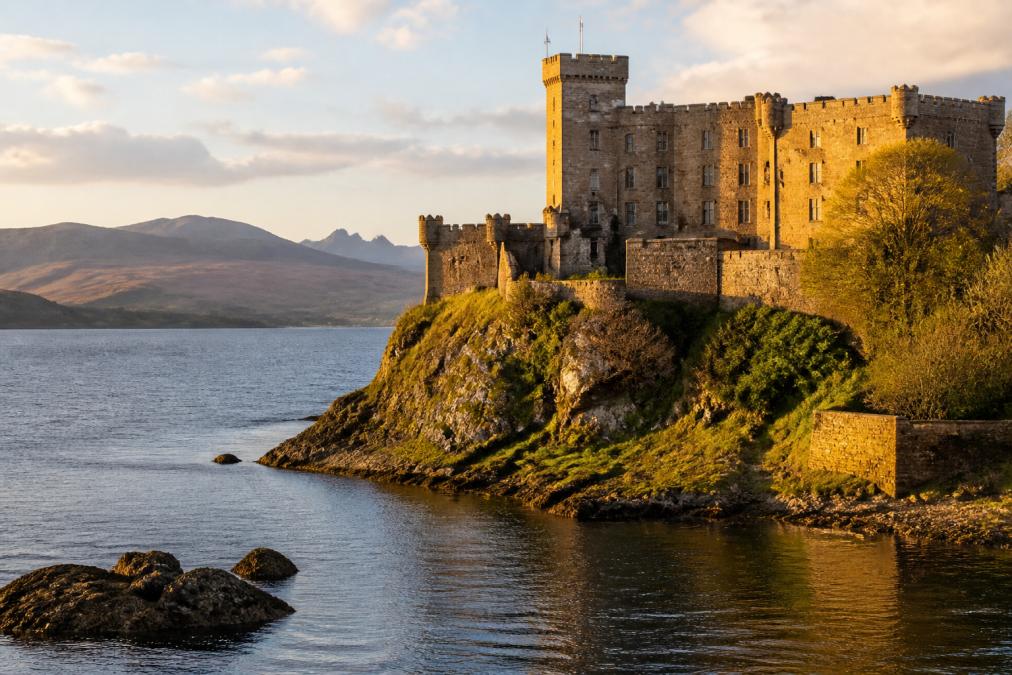
Settle into accommodation, then drive to Dunvegan Castle on the northwest coast. The castle warrants an hour, and the grounds overlooking the loch another. Light here is exceptional in late afternoon. If energy permits, continue to Neist Point lighthouse. The walk is straightforward (approximately 1.5 kilometres return) and captures the Atlantic dramatically. Return to base for dinner at The Stein Inn or The Three Chimneys, both within 15 minutes of Skye Lodge. Book in advance; these establishments fill quickly.
Day 2: Cuillin Mountains and Coastal Views
Day 2 is for serious landscape engagement. If you're a confident hiker, tackle one of the Cuillin trails, the Fairy Pools approach or ridge walk from Glen Brittle provide genuine mountain experience without technical climbing. These hikes take 4-6 hours depending on difficulty and fitness; start early.
If hiking isn't your preference, the Glen Brittle coastal drive offers stunning views with minimal effort. Stop at Elgol for views across the Cuillin from the sea. Alternatively, head north to the Storr and Lealt Falls. This region offers shorter walks (30 minutes to 1.5 hours) with dramatic payoff. The Old Man of Storr is Skye's most photographed landmark for good reason.
Return to base with time for a quieter evening. Skye Lodge's owners Claire and Douglas can recommend lesser-known dining options or peaceful sunset locations.
Day 3: Hidden Corners and Departure Flexibility
Day 3 balances exploration with realistic departure timing. If leaving mid-morning, this day is essentially a morning activity before heading to the ferry or bridge.
Explore areas you missed on Days 1-2. If you focused on the Cuillin, visit Dunvegan or the northern coast. If you spent Day 2 on coastal walks, tackle a hiking trail. Alternatively, use Day 3 morning for a slow breakfast, a final walk near your accommodation, and a departure that allows you to absorb what you've experienced rather than immediately moving on.
The island's quieter corners reveal themselves if you're not constantly moving. Small beaches, craft workshops, local pubs, and unexpected viewpoints become memorable precisely because you weren't frantically seeking them.
Where to Stay on the Isle of Skye for Your Three-Night Stay
Your choice of base determines how efficiently you use three nights. Staying in one location and driving to attractions beats moving accommodation nightly, you save time, reduce stress, and actually unpack properly.
The northwest coast near Dunvegan is strategically positioned. It's 15 minutes from The Three Chimneys and The Stein Inn, 45 minutes from Glen Brittle and the Cuillin Mountains, and 1 hour from the Storr. Skye Lodge Dunvegan sits on the westerly coastline with loch views, offering luxury accommodation for couples, small groups, or families. The handmade beds and gourmet breakfast with locally sourced ingredients mean you're genuinely rested and properly fuelled each morning, details that matter more than expected when exploring demanding landscapes.
The lodge accommodates 4-10 people, ideal for couples seeking romance, small groups wanting an exclusive base, or families wanting quality space. Owners Claire and Douglas provide local knowledge that guidebooks don't contain, they can recommend restaurants with availability when everywhere else is booked, suggest hiking routes based on fitness level, and explain the stories behind the landscape you're seeing.
Staying in one place also means you can book dinner reservations with confidence. Highland restaurants fill quickly, particularly in peak season. Having a fixed address lets you secure tables at places like The Three Chimneys in advance, transforming dinner from a logistical headache into an anticipated experience.
Driving in the Isle of Skye: Tips for Three Days of Exploration
Driving on Skye demands a different mindset than mainland UK motoring. Roads are narrower, more winding, and frequently single-track with passing places. Weather changes rapidly. Daylight hours vary dramatically by season.
Single-track roads are standard. When you encounter one, drive to the nearest passing place if a vehicle approaches from the opposite direction. Most drivers are courteous; the system works because people expect it.
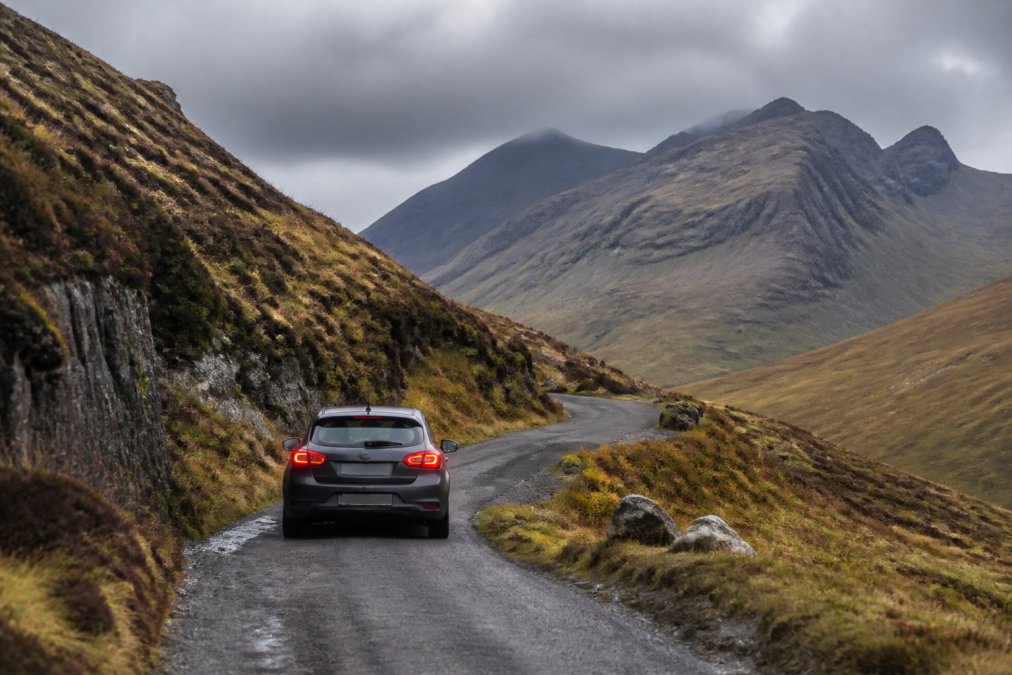
Weather changes within minutes. You can depart in sunshine and encounter heavy rain 20 minutes later. Bring proper waterproof clothing and expect that landscapes will look completely different under different conditions. Skye's drama is partly weather-driven; grey skies and mist create atmosphere that blue skies cannot match.
Daylight hours dictate your schedule more than time of day. In winter (November through February), you have roughly 8 hours of usable daylight. In summer (May through August), you have 17-18 hours. Winter visits require accepting twilight exploration. Summer visits allow longer days but bring peak-season crowds.
Road conditions are generally good, but driving speed must match terrain. A 30-minute drive on a mainland motorway translates to 50 minutes on Skye's winding roads. Building this into your planning prevents constantly feeling behind schedule.
Petrol stations are limited. Fill up in Portree or at the bridge before heading to remote areas. Download maps offline if relying on GPS navigation.
How Many Days for Isle of Skye and Highlands: Extending Beyond Three Nights
Three nights works for Skye alone. Adding Highlands exploration changes the calculation entirely.
If considering a combined Skye and Highlands trip, five nights is the practical minimum. This allows three nights on Skye and two nights exploring the mainland, Glen Coe, Glen Affric, or the Cairngorms. Attempting both in four nights means constant driving and surface-level visits.
A week (seven nights) is genuinely ideal. It allows two nights in Glen Coe or Glen Affric, three nights on Skye, and two nights exploring additional regions or allowing unscheduled flexibility. This pace feels exploratory rather than rushed.
Many visitors build their Skye visit around a longer Highlands tour. This makes logistical sense; Skye is worth seeing, but it's also a detour from the mainland. Combining it with Glen Coe (3.5 hours south) into a week-long itinerary creates a more satisfying journey than three nights on Skye alone.
Making the Most of a Shorter Stay: Two Nights on Skye
Two nights is genuinely tight. You have one full day of exploration, which means choosing ruthlessly.
A two-night itinerary focuses on a single cluster: either Dunvegan and the northwest coast, or the Storr and northern attractions, or Glen Brittle and the Cuillin. Attempting multiple regions guarantees you'll spend most of your time driving.
The northwest coast (Dunvegan, Neist Point, nearby restaurants) is the most realistic choice because it concentrates attractions within a small area. You can visit Dunvegan Castle, walk to Neist Point, and still have time for a proper dinner without feeling constantly rushed.
Two nights works best as part of a larger Highlands trip rather than a standalone visit. Visitors often underestimate how much they'll want to experience on Skye; two nights frequently leaves people wishing they'd allocated more time. Three nights is the threshold where the island stops feeling like a checkbox and starts feeling like a place you've actually visited.
Three nights is enough for Skye if you approach it strategically. You won't see everything, and that's not the point. You'll experience dramatic landscapes, walk meaningful trails, eat well, and return home understanding why people become obsessed with this island. The constraint of time forces you to slow down and choose deliberately, which makes Skye memorable. Book your stay at Skye Lodge Dunvegan, where handmade beds, gourmet locally sourced breakfasts, and bespoke hospitality from owners Claire and Douglas create the foundation for a genuinely restorative visit. With a thoughtful itinerary and realistic expectations about travel time, three nights transforms from a rushed exercise into an experience worth planning around.
Frequently Asked Questions
Is three nights enough to see the main attractions on Skye?
Three nights allows you to experience the island's most iconic landmarks, Dunvegan Castle, Neist Point, the Old Man of Storr, and the Cuillin mountains, without rushing. The key is choosing a central base location and planning your route to minimise travel time. Most visitors cover the essential attractions within three nights, though you'll need to prioritise and skip some off-the-beaten-path locations. A luxury lodge like Skye Lodge provides the comfort and local knowledge to maximise your time.
Can I see the Fairy Pools and other major sites in three nights?
Yes, the Fairy Pools, Old Man of Storr, and Dunvegan Castle are all accessible within three nights if you plan carefully. Add 20 minutes to every hour of travel time on Highland roads, this local advice prevents overambitious itineraries. Choose accommodations on the west coast near Dunvegan to reduce travel distances. Three nights gives you roughly two full days of exploration after arrival and before departure, which is sufficient for the major scenic viewpoints and dramatic hikes that define Skye.
What's the difference between staying three nights versus two nights on Skye?
Two nights leaves you with only one full day of exploration after accounting for arrival and departure logistics. Three nights provides two complete days to experience the island's character, one for major attractions and a second for either deeper exploration of specific areas or a slower pace that allows you to enjoy coastal views and local culture without constant movement. The additional night transforms the visit from rushed to reflective, allowing time to book restaurants in advance and enjoy the island's hospitality properly.
Should I extend to four or five nights if I also want to visit the Highlands?
Four to five nights is ideal if you want to combine Skye with broader Highlands exploration. Three nights keeps you focused on Skye itself. If you're committed to both regions, five days allows three nights on Skye (covering the island's major attractions and character) plus time for Highlands day trips or an additional overnight. Many visitors find the slow-paced three-night Skye experience more rewarding than rushing between multiple regions, quality of experience matters more than quantity of locations visited.