 ultimate-guide
Planning a Slow Travel Skye Holiday: A Complete Guide
Table of Contents
- Why Slow Travel Works on the Isle of Skye
- Best Time to Visit Isle of Skye for Quiet and Solitude
- Getting Around the Isle of Skye Without a Car
- Sustainable Tourism on the Isle of Skye
- A Suggested 3-Night, 5-Day Slow Travel Itinerary
- Authentic Cuisine and Local Dining Experiences
- Practical Planning Tips for Your Slow Travel Trip
- Frequently Asked Questions
Last Updated: August 7, 2026
Why Slow Travel Works on the Isle of Skye
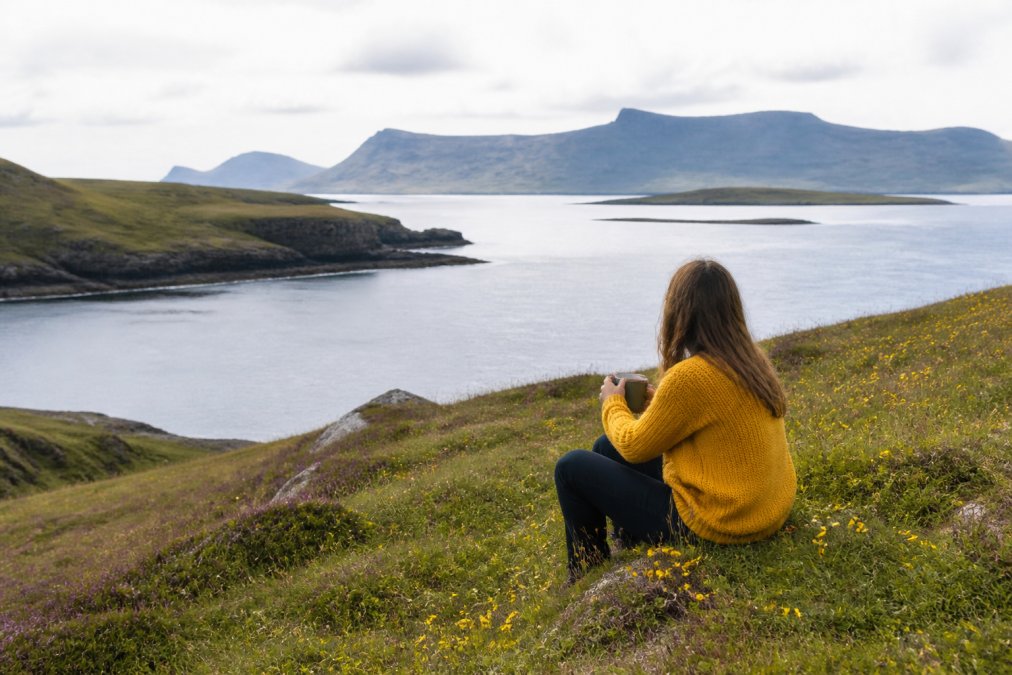
Most visitors rush through Skye in two days, missing what makes the island worth visiting. Slow travel recognises that landscape, culture, and genuine connection require deliberate pace. A single glen becomes a day's exploration rather than a 20-minute photo stop. You notice how light changes across the water and encounter local artisans in their studios.
At Skye Lodge, this philosophy underpins everything. Owners Claire and Douglas built their retreat on the westerly coastline to support extended, immersive stays. Rather than positioning themselves as a convenient overnight stop, they've designed the lodge as a base for slow exploration, with handmade beds, gourmet breakfasts using premium local ingredients, and personalised hospitality.
Slow travel on Skye works because the island's geology, weather, and cultural rhythm reward patience. A misty morning that frustrates the rushed visitor becomes perfect light for photography or a quiet walk. A sudden weather shift becomes an excuse to settle into a local pub and listen to stories you'd otherwise never hear.
Best Time to Visit Isle of Skye for Quiet and Solitude
September through early November offers the optimal balance between visitor management and accessible weather. Summer crowds have dispersed, the landscape remains dramatic, and daylight hours suffice for exploration.
Unpredictable weather on a slow travel itinerary is actually an advantage. It forces you to abandon rigid schedules and respond to conditions, which is precisely the mindset slow travel requires. Winter (November-February) offers deepest solitude but comes with serious constraints: December sees only 6-7 hours of usable daylight, and some highland roads become impassable after snow.
Spring (March-April) sits between extremes. Daylight extends noticeably from winter, wildflowers begin appearing, and visitor numbers remain manageable. Off-season dining allows restaurateurs to focus on quality and conversation, and local artisans are more accessible.
Getting Around the Isle of Skye Without a Car
Car-free travel on Skye requires planning that most guides ignore. The island's public transport network operates on limited schedules designed around commuter needs rather than tourist convenience. Slow travel without a car is entirely possible but demands a different approach.
Public Transport Options
Stagecoach operates bus routes across Skye with varying frequency. Main routes between Portree and Dunvegan run multiple times daily. Secondary routes operate once or twice daily, often with no Sunday service. For slow travellers, extended travel time is beneficial, you see landscape gradually rather than passing through it.
The key is choosing specific locations and spending substantial time there rather than maximising destinations per day. Pick a village or glen, stay for a day or two, explore it thoroughly, then move on. Timetables are published through Stagecoach's website, but reliability is weather-dependent. Always build buffer time into connections.
Walking and Cycling Routes
Walking is the most practical transport for slow travellers without cars. Skye's landscape is built for walking. Established trails range from gentle coastal walks to serious mountain routes. For car-free holidays, focus on walking routes from your accommodation rather than attempting distance-based itineraries. A week based at Skye Lodge allows you to explore multiple walking routes radiating from Dunvegan without relocating daily.
Cycling is viable but challenging. Skye's roads are narrow and hilly, and traffic during peak season can be heavy. E-bikes are increasingly available for hire and substantially reduce the physical difficulty of Highland terrain.
Ferry Crossings and Local Shuttles
Ferries connect Skye to nearby islands and the mainland. The Mallaig-Armadale ferry operates year-round and provides access to the Small Isles for day trips or overnight excursions. Ferry schedules are seasonal; summer offers daily service, winter occasionally cancels due to weather.
Some accommodation providers offer guest transport to specific attractions or restaurants. Taxis operate on Skye but are expensive for long-distance travel and limited in availability outside Portree.
Sustainable Tourism on the Isle of Skye
Sustainable tourism on Skye is essential to the island's future and to the quality of your own experience. Peak-season visitor numbers strain infrastructure, erode trails, and create pressure on local services. Slow travel inherently supports sustainability because it reduces visitor volume and distributes impact across longer timeframes.
Supporting Local Artisans and Craftspeople
The Isle of Skye has a thriving community of artisans working in traditional and contemporary crafts. Visiting studios directly, rather than buying mass-produced goods in tourist shops, supports creators and gives you access to genuine work and the stories behind it.
Supporting local food producers and restaurants operates on the same principle. Restaurants like The Stein Inn, Edinbane Lodge, and The Three Chimneys source locally and employ local staff. Booking in advance ensures they can plan accordingly and deliver quality.
Responsible Visitor Practices
Responsible travel on Skye means respecting both the landscape and the community: staying on established trails to prevent erosion, closing gates behind you, removing litter, and respecting private property. Seasonal timing is a form of responsible travel, visiting during off-peak periods reduces pressure on infrastructure and improves your own experience.
Accommodation choices matter. Staying at locally owned lodges rather than large hotel chains keeps money within the community and typically involves lower environmental impact. Skye Lodge's model of exclusive group bookings and individual guests in a small, owner-managed property exemplifies sustainable hospitality. The lodge's emphasis on local sourcing and connections to local restaurants and artisans means your stay directly supports the community.
A Suggested 3-Night, 5-Day Slow Travel Itinerary
A slow travel Skye holiday works best across 5 days and 4 nights. This itinerary assumes accommodation at Skye Lodge Dunvegan and car-free exploration using buses, walking, and local transport.
Day 1: Arrival and Local Orientation
Arrive on Skye via the Skye Bridge or by ferry from Mallaig. From Portree, a 45-minute bus journey reaches Dunvegan. Your first afternoon focuses on settling in rather than sightseeing. Spend the afternoon walking the immediate surroundings; coastal paths near the lodge offer views without demanding serious hiking.
In the evening, dine at The Stein Inn or Edinbane Lodge, both within 15 minutes of Skye Lodge. Book restaurants before arrival.
Day 2: Dunvegan Castle and Westerly Coastal Landscapes
Dunvegan Castle sits 10 minutes from Skye Lodge. Rather than rushing through in two hours, spend the full day exploring it and surrounding landscape. The castle's history spans nearly 800 years. The grounds include woodland walks, a seal colony viewable from the castle's bay, and gardens designed around the castle's clifftop position.
After the castle, walk the coastal paths westward. The Dunvegan Head area offers dramatic clifftop scenery, seabird populations, and views toward the Small Isles.
Evening dining at The Three Chimneys provides a refined culinary experience.
Day 3: Cuillin Mountains and Hidden Valleys
The Cuillin mountains dominate Skye's eastern landscape. This day focuses on exploring the Cuillin foothills and glens rather than attempting serious mountaineering. Glen Brittle valley provides access to Cuillin scenery without requiring climbing experience. A bus from Dunvegan reaches Glen Brittle (two buses daily, approximately 90 minutes). Choose a 4-6 mile walking loop such as the Fairy Pools route or the Brittle Burn walk.
The Cuillin landscape is geologically dramatic, formed from Tertiary igneous rock. Walking through the glen, you're moving through geological history, ancient lava flows, erosion patterns, and ice age glaciation.
Return to Dunvegan by late afternoon.
Day 4: Off-the-Beaten-Path Villages and Scenic Viewpoints
This day abandons major landmarks in favour of exploration that most visitors skip. The Waternish peninsula, north of Dunvegan, offers this experience. Villages like Stein and Lusta are small settlements where tourism is incidental. A single walking route might consume 4-5 hours and cover 8-10 miles.
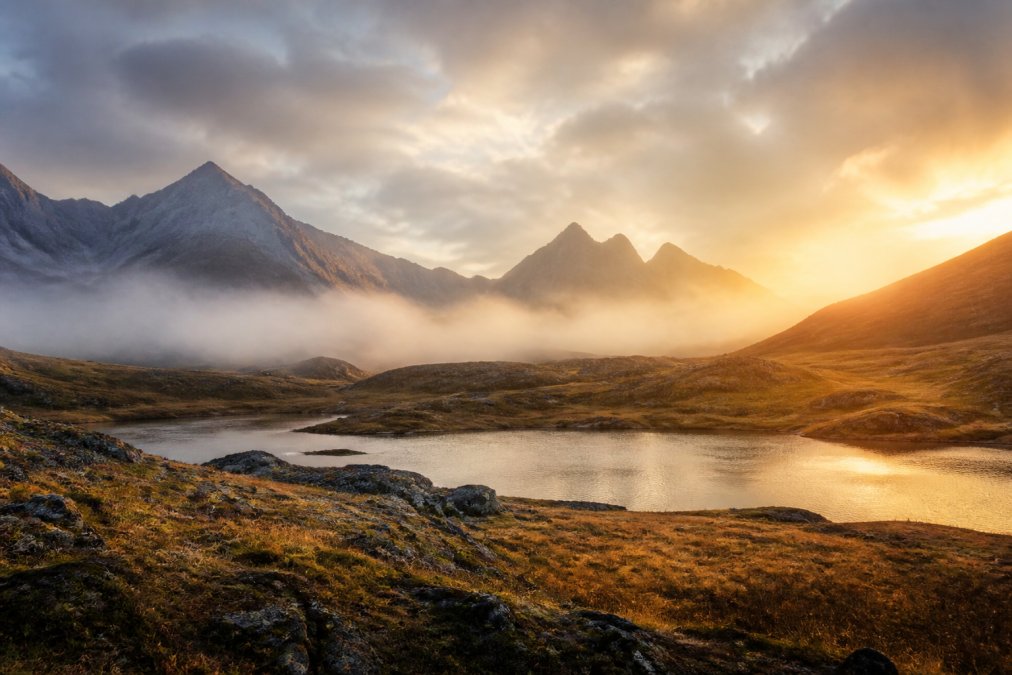
Plan your afternoon so you're positioned at a scenic viewpoint, perhaps Neist Point lighthouse, as daylight fades. Skye's sunset light is extraordinary, particularly in autumn when the sun's angle creates extended golden hour.
Day 5: Wildlife, Photography, and Departure Reflections
The final day balances practical departure logistics with a final immersion in the island's character. Morning activity focuses on wildlife observation or photography. Skye supports significant populations of golden eagles, sea eagles, otters, and seals. The attempt itself, sitting quietly in landscape, watching for movement, listening to bird calls, is the point.
Midday allows time for final walks or simply sitting at a favourite spot. Departure typically occurs early afternoon via bus to Portree or ferry to Mallaig.
This itinerary is intentionally flexible. Weather changes, personal interests, and discovered locations will reshape specific activities. The structure, staying based at one location, exploring different areas each day, mixing walking with cultural engagement, creates the conditions for slow travel.
Authentic Cuisine and Local Dining Experiences
Food on the Isle of Skye reflects the island's geography and cultural heritage. Slow travel creates the essential condition for authentic dining: time to research, book in advance, and engage with restaurants as cultural institutions rather than meal-delivery services.
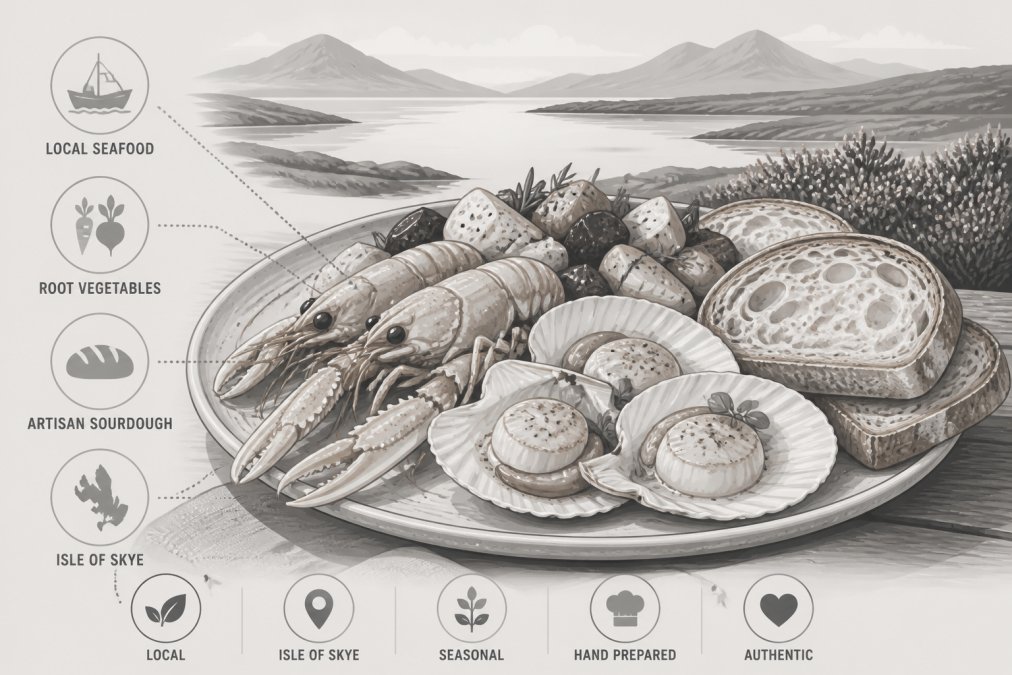
The Three Chimneys represents the island's most celebrated restaurant, operating for decades with consistent focus on local sourcing and seasonal menus. The restaurant sources fish from local boats, game from Highland estates, and vegetables from nearby producers.
The Stein Inn, Skye's oldest pub, serves food prioritising local ingredients and traditional preparation. The distinction from The Three Chimneys is approach, The Stein Inn is community-focused, serving locals and visitors alike, while The Three Chimneys is explicitly fine dining.
Edinbane Lodge operates as restaurant and accommodation, with a kitchen focused on local sourcing and contemporary cooking. Dining here feels like eating in a friend's home, albeit a friend with serious cooking skill and access to exceptional ingredients.
Slower exploration of Skye's food culture extends beyond these establishments. Small shops in villages like Dunvegan and Portree sell local producers' goods, cheeses, smoked fish, baked goods, preserves.
Practical Planning Tips for Your Slow Travel Trip
Weather Patterns and Packing Essentials
Highland weather is notoriously unpredictable. Skye experiences rapid changes; sunshine can transition to heavy rain in 30 minutes. Rather than viewing this as a constraint, slow travel embraces weather as part of the landscape experience.
Pack in layers. A typical day might require thermal base layers in the morning, a fleece mid-layer for activity, and a waterproof shell for afternoon weather. Avoid cotton; prioritise wool and synthetic materials. Comfortable walking boots are essential, waterproof, insulated, and broken in before arrival.
Waterproof trousers, a quality rain jacket, and a hat that stays secure in wind are non-negotiable. Gloves and a neck gaiter are useful in shoulder seasons. Sunscreen is essential despite the northern latitude.
Weather delays force changes to plans. Rather than viewing this as disruption, slow travel treats it as opportunity. A day of heavy rain becomes time for reading or exploring indoor cultural spaces.
Daylight Hours and Seasonal Considerations
Daylight hours vary dramatically across the year. In June, the sun barely sets. In December, useful daylight is limited to 6-7 hours. This has direct implications for itinerary planning.
Summer (June-August) offers extended daylight but brings crowds and peak accommodation prices. Autumn (September-October) provides balance: sufficient daylight for exploration (9-10 hours), manageable crowds, and dramatic light quality. Spring (March-April) is similar but with less predictable weather.
For winter travel, plan activities differently. Photography and landscape observation require different light conditions; winter's low-angle sun creates dramatic shadows and colour. Cultural activities, museum visits, and restaurant-based experiences become primary activities.
Plan your day so you're positioned at a meaningful location during sunrise and sunset. The lodge team at Skye Lodge can suggest specific viewpoints based on weather conditions and your interests.
Budgeting for a Slow-Paced Experience
A slow travel Skye holiday typically costs more than rushed tourism because you're staying longer and prioritising quality over volume. However, the cost-per-experience is often lower because you're not paying for multiple accommodation nights or rushed meal experiences.
Accommodation is the primary expense. Luxury lodges like Skye Lodge provide high-quality accommodation at premium rates. Budget-conscious slow travel uses smaller hotels, guesthouses, or self-catering accommodation, which reduces costs while maintaining comfort.
Dining represents the second major expense. Fine dining at The Three Chimneys costs significantly more than pub meals or self-catering. A sustainable approach mixes one fine dining experience per week, pub meals for casual meals, and self-catering for breakfast and lunch.
Transport costs are lower for slow travellers than car-based tourists. Bus passes provide unlimited travel across Skye for a modest weekly cost. Walking and cycling are free. A realistic weekly budget for slow travel on Skye (accommodation, dining, transport, and activities) ranges considerably based on accommodation choice and dining preferences.
A slow travel Skye holiday transforms the island from a destination to be ticked off into a landscape to be inhabited. The pace itself becomes the point, not a constraint on efficiency but the condition that makes genuine experience possible. Skye Lodge's philosophy aligns precisely with this approach, offering the kind of personalised, locally connected hospitality that slow travel requires. When you choose to stay longer, move slowly, and engage deeply with landscape and community, the island reveals itself completely.
Frequently Asked Questions
How many days are enough for a slow travel trip to the Isle of Skye?
A minimum of 3 nights and 5 days allows you to experience the island's major landscapes and hidden gems without rushing. This timeframe gives you enough daylight hours to explore the Cuillin mountains, visit Dunvegan Castle, discover quiet coastal viewpoints, and engage with local artisans. Many visitors try to see everything in 1-2 days, but slow travel requires time to absorb the landscape, weather patterns, and local culture. If you can extend beyond 5 days, you'll discover even more off-the-beaten-path villages and wilderness areas that reward deeper exploration.
How do I travel around the Isle of Skye without a car?
Public transport on Skye includes local buses and coach services connecting major towns and attractions. Walking and cycling are excellent for exploring scenic routes between villages and accessing hiking trails. Ferry crossings link Skye to nearby islands and the mainland. Many visitors base themselves at a central location like Dunvegan and use a combination of these methods. Local shuttles and taxi services can cover longer distances. Add 20 minutes to every hour of estimated travel time on highland roads, this accounts for winding terrain and weather conditions. Staying at a lodge with local knowledge helps you plan realistic itineraries without a vehicle.
What is the best time to visit the Isle of Skye for a quiet, peaceful experience?
April to May and September to October offer the best balance of daylight hours, favourable weather patterns, and fewer visitors. May is particularly rewarding for wildlife observation and wildflower photography. September provides warm weather and clearer skies for viewing the landscape. Winter (November-February) brings dramatic weather and shorter daylight hours but offers complete solitude and moody scenery for photography. Avoid peak season (July-August) if you seek quiet spots and authentic local culture. Off-season travel also means better availability at local restaurants and more genuine interactions with artisans and residents.
How can I support sustainable tourism and local businesses while visiting Skye?
Visit local artisans and craftspeople through Skye Art, which showcases traditional trades and crafts. Book accommodation and dining at locally owned establishments that source ingredients from the island. Use public transport, walking, and cycling rather than car rentals to reduce your environmental footprint. Respect visitor management guidelines by staying on marked trails and avoiding sensitive wildlife areas during nesting seasons. Purchase directly from local makers rather than chain retailers. Book restaurants well in advance to support their planning and operations. Choose off-season travel to reduce pressure on infrastructure and allow the landscape to recover from visitor impact.
Can I enjoy a slow travel experience on Skye in just 2 nights?
While 2 nights is possible, a 3-night, 5-day itinerary gives you significantly more value. Two nights leaves only one full day for exploration, forcing you to prioritise and rush between major landmarks. The slow travel philosophy emphasises depth over breadth, spending time in one location, absorbing local culture, engaging with artisans, and allowing the landscape to reveal itself gradually. With 3 nights, you can enjoy sunrise and sunset viewpoints, take unhurried walks, dine at recommended restaurants without pressure, and experience quiet corners most visitors miss. If limited to 2 nights, focus on one area (such as Dunvegan and the westerly coastline) rather than attempting to see the entire island.
What should I pack for a slow travel holiday on the Isle of Skye?
Pack layers to handle rapidly changing weather patterns, the highlands experience unpredictable conditions year-round. Bring waterproof jackets, sturdy walking boots, and warm fleeces. A camera or smartphone is essential for capturing scenic viewpoints and wildlife. Binoculars enhance wildlife observation. Bring a good book or journal for reflective moments. Comfortable clothing for dining out is important, as local restaurants appreciate smart casual dress. Sunscreen and a hat protect against strong UV rays during clear days. A detailed map or hiking guide helps you explore at your own pace. Reusable water bottles and snacks support sustainable tourism by reducing waste.
Which areas of the Isle of Skye are best for avoiding crowds?
The westerly coastline near Dunvegan, including Neist Point, attracts fewer visitors than the Cuillin mountains and Portree. Small villages like Edinbane, Stein, and Glendale offer authentic local culture without mass tourism. Explore lesser-known hiking trails that branch from main routes, most visitors stick to well-signposted paths. Visit during shoulder seasons (April-May, September-October) to enjoy major landmarks with fewer people. Early morning and late evening walks often provide complete solitude. The northern peninsula and eastern shores have quieter villages and scenic viewpoints. Ask your lodge hosts for recommendations on hidden gems, they possess local knowledge about timing and locations that avoid visitor concentrations.