 how-to
Plan a Relaxing 3 Night Isle of Skye Itinerary
Table of Contents
- The Slow Travel Approach to a 3 Night Isle of Skye Itinerary
- Day 1: Settle In and Explore Dunvegan
- Day 2: The Northern Loop and Quiet Viewpoints
- Day 3: Coastal Cliffs and the Cuillin Mountains
- How to Get Around Isle of Skye: Navigating Single-Track Roads
- Best Time to Visit Isle of Skye for a Peaceful Stay
- Choosing Luxury Accommodation Isle of Skye for Your Base
- Conclusion: Your Relaxing Skye Escape Awaits
- Frequently Asked Questions
Last Updated: September 7, 2026
The Slow Travel Approach to a 3 Night Isle of Skye Itinerary
Most visitors try to conquer the Isle of Skye in a frantic day trip, ticking off landmarks between long drives on crowded roads. A relaxing 3 night itinerary for Isle of Skye takes the opposite approach: it prioritises depth over distance, allowing you to absorb the dramatic scenery without the stress. At Skye Lodge, we believe the island reveals its character slowly, through quiet viewpoints and unhurried mornings rather than a checklist of must-see attractions.
The key is accepting that you cannot see everything. This guide from Skye Lodge focuses on the westerly coastline, where Dunvegan Castle, Neist Point and the Cuillin mountains sit within easy reach. By basing yourself in one location and planning a gentle loop each day, you will spend less time driving and more time actually experiencing the Highlands. Below, we will show you exactly how to structure three days for maximum peace and minimum travel anxiety.
Day 1: Settle In and Explore Dunvegan
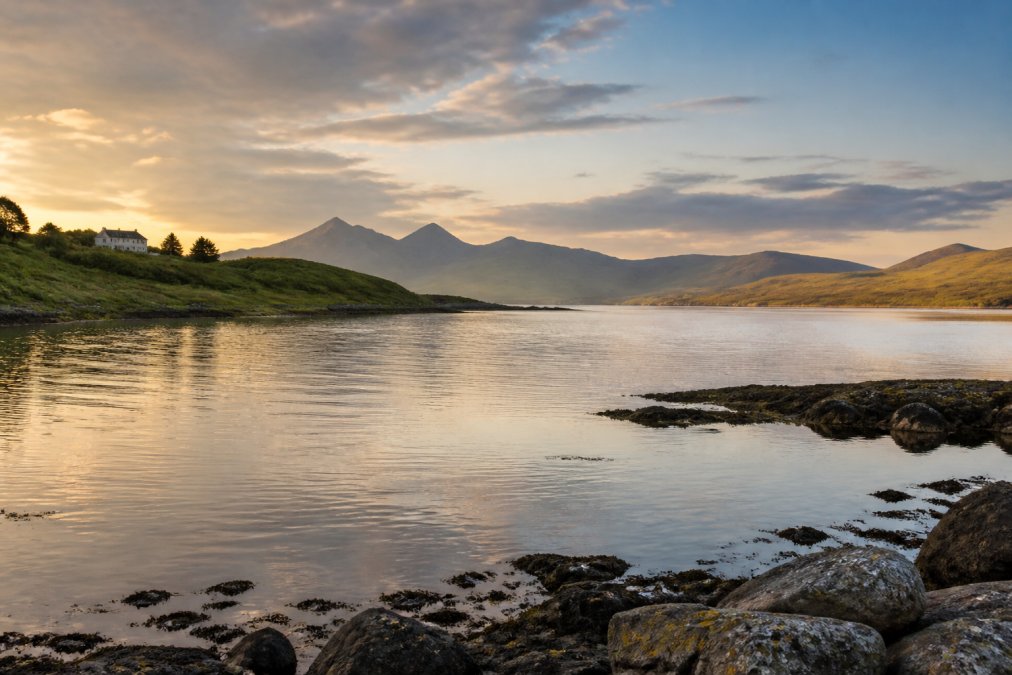
Your first day should be about arrival, not ambition. After the ferry crossing or drive from the mainland, check into your accommodation and let the pace slow. The westerly village of Dunvegan offers a gentle introduction, with its historic castle and loch-side setting providing the perfect first taste of Skye's heritage.
Spend the afternoon at Dunvegan Castle and Gardens, the island's most famous landmark and home to the MacLeod clan for centuries. The formal gardens and woodland walks reward a slow wander, and the seal trips from the jetty are a delight on a calm afternoon. Keep the evening simple: a short stroll along the shore before dinner gives you time to adjust to island time.
Day 2: The Northern Loop and Quiet Viewpoints
Day two is where your relaxing 3 night itinerary for Isle of Skye earns its keep. Head north from Dunvegan towards the Waternish and Duirinish peninsulas, where the crowds thin out and the landscapes become wilder. This is slow travel at its best: coastal cliffs, scattered crofts and a sense of solitude that the central tourist trail rarely offers.
Aim for Neist Point at the far western tip, one of Skye's most dramatic viewpoints. The walk to the lighthouse takes around an hour each way and rewards you with panoramic views over the Minch. Time your visit for late afternoon, when the golden hour light softens the cliffs and the tour buses have departed. On the return journey, stop at one of the peninsula's hidden coves or simply pull into a passing place and watch the light shift across the water.
Day 3: Coastal Cliffs and the Cuillin Mountains
Your final full day balances coastal drama with mountain grandeur. Begin with a morning drive towards the Cuillin range, the jagged peaks that dominate Skye's southern horizon. Even if you are not a climber, the views from the road and the short walks around Glenbrittle are unforgettable. The Fairy Pools, a series of crystal-clear waterfalls, offer an easy hike that rewards photographers and casual walkers alike.
Spend the afternoon on the coast at Talisker Bay or further south, where black sand and sea stacks create a moody, atmospheric scene. This is landscape photography at its finest, especially when the weather rolls in and the light turns dramatic. Keep the evening for a final dinner, perhaps booking a table at a local restaurant to toast your relaxed exploration of the island.
How to Get Around Isle of Skye: Navigating Single-Track Roads
Getting around Skye is less about driving skill and more about mindset. The island's road network is a patchwork of single-track roads with passing places, and the etiquette is straightforward once you know the unwritten rules. When two vehicles meet, the one nearest a passing place pulls in, even if that means reversing a short distance. On blind bends, slow to a crawl and hug your side. Locals will often give a quick wave of thanks; returning it is part of the island's charm.
The 20-minute rule is not a suggestion. Distances on Skye look deceptively short on a map. The drive from Dunvegan to Neist Point is roughly 12 miles, but allow a full hour each way. Between Dunvegan and the Fairy Pools, plan for 50 minutes despite the 25-mile distance. Tour coaches, tractors, and sheep create unpredictable delays, so build buffer time into every leg of your itinerary.
Parking is the real bottleneck. The Fairy Pools car park fills by 9:30 am in peak season and operates a one-in-one-out system when full (visitscotland.com). Neist Point's small lot holds perhaps 20 cars, and the Old Man of Storr's overflow parking is a 15-minute walk from the trailhead. For a relaxing trip, arrive at any popular trailhead before 9 am or after 4 pm, you will find space and solitude.
Renting a car is the only realistic option for a slow itinerary. Public buses serve the main villages but run infrequently and simply do not reach most viewpoints worth your time. If you do drive, choose a compact car, the smaller the vehicle, the easier the passing places. Book well in advance for summer; availability tightens from May onwards.
A note on electric vehicles. Charging points exist in Portree, Broadford, and Dunvegan, but they are few and occasionally occupied. If you are driving an EV, plan your charging around overnight stops rather than relying on rapid chargers mid-route.
The alternative: guided minibus tours. If driving feels like a chore rather than part of the experience, small-group tours from Portree remove the navigation stress entirely. The trade-off is losing the freedom to linger at an unexpected viewpoint, which is the very essence of slow travel. For most visitors seeking relaxation, having your own car wins, but only if you commit to the unhurried mindset this itinerary assumes.
Best Time to Visit Isle of Skye for a Peaceful Stay
The shoulder seasons of late spring and early autumn offer the best balance of decent weather and manageable crowds. May and September are the sweet spots: daylight stretches past 9 pm, the midges are less ferocious than in July, and the single-track roads feel less like a convoy. June brings the longest days, nearly 18 hours of light, but also the peak midge season and school-holiday crowds (mwis.org.uk). July and August are best avoided if peace is your priority; the Fairy Pools car park queues alone can test anyone's patience.
Weather expectations, month by month:
- May: Average highs of 13°C, frequent dry spells, and the first flush of wildflowers. The best month for photography.
- June: 15°C averages, but expect rain roughly every other day. Midges are active from dusk onwards, pack repellent.
- September: Similar to May, with 14°C highs and the heather in full purple bloom. The light turns golden earlier, perfect for late-afternoon photography.
- October: Quieter still, but expect 10°C highs and shorter days. Many restaurants reduce their opening hours after the October half-term.
The reality is that Skye's weather changes hourly. A forecast of rain does not mean a ruined day. The island's microclimates mean the west coast around Dunvegan can be dry while the Cuillin range is shrouded in cloud. Build flexibility into your itinerary: if the morning is wet, visit Dunvegan Castle's gardens (which are lovely in drizzle) and save the coastal walks for when the sky clears.
A rainy-day contingency plan is essential for a relaxing trip. When the horizontal rain sets in, these alternatives keep the day enjoyable:
- Dunvegan Castle and Gardens: The castle interiors, seal boat trips, and the water garden offer hours of shelter. The boat trips run in light rain but pause in high winds.
- The Oldest Pub on Skye at The Stein Inn: A 20-minute drive from Dunvegan, this 18th-century inn has a roaring fire, decent pub food, and windows overlooking Loch Dunvegan. Perfect for watching the weather roll through.
- Skye Museum of Island Life: Near Kilmuir, this cluster of thatched croft houses offers a fascinating glimpse into 19th-century island living. Small, dry, and quietly absorbing.
- A coastal drive on the Waternish Peninsula: The road itself is the attraction, with passing places that reveal sweeping views between rain showers. Stop at the coral beaches near Claigan for a bracing walk if the wind allows.
Winter (November to February) offers a different kind of peace. Daylight shrinks to seven hours, and many attractions close entirely, but the empty roads and dramatic, low-angle light reward the hardy traveller. If you visit in winter, confirm opening hours before travelling and carry a torch for early evening walks.
Booking windows matter more than the calendar. The island's best accommodation and restaurants fill up 3-6 months in advance for May and September. If you are reading this and planning a trip for next month, you still have options, but be prepared to compromise on specific properties or dining times. The Three Chimneys, near Dunvegan, opens bookings for the following season in January and is often fully reserved within weeks (thethreechimneys.co.uk).
Choosing Luxury Accommodation Isle of Skye for Your Base
A relaxing itinerary depends on where you rest your head, and choosing luxury accommodation Isle of Skye offers is the difference between a good trip and an exceptional one. Skye Lodge in Dunvegan provides a tranquil retreat on the westerly coastline, with loch views and easy access to the castle, Neist Point and the Cuillin mountains. The handmade beds ensure restful sleep, while the gourmet breakfast, prepared with locally sourced ingredients, sets you up for a day of exploration.
The lodge suits couples, small groups and exclusive bookings of up to ten people, with personalised hospitality from owners Claire and Douglas. They are happy to share local knowledge, from the best sunrise spots to which restaurants are worth booking. The Three Chimneys, the Oldest Pub on Skye at The Stein Inn, and Edinbane Lodge are all within fifteen minutes, but book ahead as they fill quickly.
Conclusion: Your Relaxing Skye Escape Awaits
Planning a relaxing trip to Skye comes down to three decisions: where you stay, how you pace your days, and what you are willing to leave for next time. A slow approach, based in one comfortable location with gentle daily loops, transforms the island from a rushed checklist into a genuine escape. Skye Lodge offers the sophisticated base you need, with handmade beds, gourmet breakfasts and hosts who know exactly where to send you for the best views and the quietest moments. Make a reservation and give yourself the gift of unhurried island time.
Frequently Asked Questions
Is 3 days enough for a relaxing trip to the Isle of Skye?
Yes, 3 nights is enough for a relaxing trip if you focus on a specific area rather than trying to see the whole island. This itinerary is designed around the Dunvegan area, allowing you to explore the northern loop, coastal cliffs, and the Cuillin viewpoints without rushing. The key is to add 20 minutes to every hour of travel on highland roads and to prioritise quality experiences over ticking off every landmark.
What is the best time of year to visit for a quiet experience?
For a peaceful visit, aim for late spring (May to June) or early autumn (September). These shoulder months offer longer daylight hours for exploring and a more relaxed atmosphere than the busy summer tourist season. You will also encounter fewer midges. The weather patterns are variable year-round, so packing waterproof clothing is essential regardless of when you book your luxury accommodation Isle of Skye.
How do I avoid crowds at popular attractions on Skye?
Start your days early, before tour buses arrive at popular spots like Neist Point or the Old Man of Storr. Alternatively, visit these landmarks in the late afternoon. Focus on the quieter corners of the island, such as the westerly coastline near Dunvegan, and ask your accommodation hosts for their favourite hidden gems. Booking restaurants in advance is also key to a stress-free evening.
What should I pack for a 3 night stay on the Isle of Skye?
The weather changes quickly, so layering is vital. Pack waterproof clothing and a warm mid-layer even in summer. Sturdy walking boots are essential for hiking trails, and midge repellent is a must during warmer months. For a relaxing stay, include a good book and a camera for landscape photography, especially to capture the golden hour from your accommodation.