 ultimate-guide
Travel to Isle of Skye: Routes, Tips & Trip Planning
Table of Contents
- Getting There: Driving, Ferry, Train and Coach Options at a Glance
- Driving to the Isle of Skye from Glasgow
- Isle of Skye Transport Without a Car: Train, Coach and Ferry
- How Many Days in Isle of Skye: Planning Your Itinerary
- Luggage, Accessibility and Multi-Modal Travel Logistics
- Seasonal Travel, Traffic and Real-Time Road Closures
- Conclusion
- Frequently Asked Questions
Last Updated: September 13, 2026
Getting There: Driving, Ferry, Train and Coach Options at a Glance
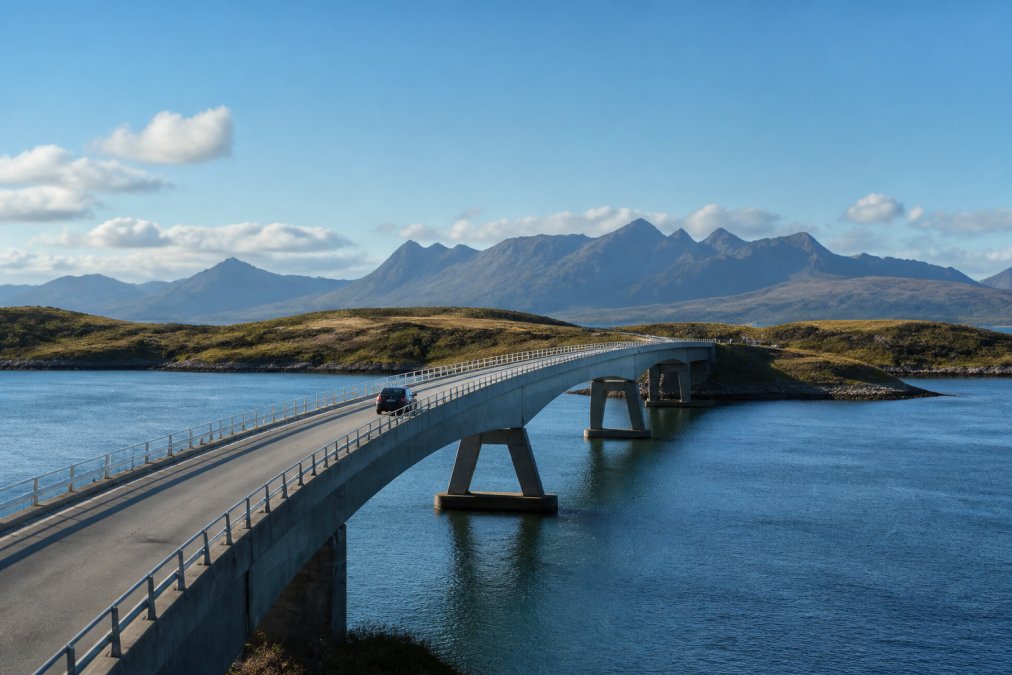
Planning travel to isle of skye starts with one decision: drive yourself or go by public transport. Skye is connected to the mainland by the toll-free Skye Bridge at Kyle of Lochalsh, with ferries and rail links offering strong alternatives. Highland roads reward patience.
The main options break down like this:
- Car: maximum flexibility, but single-track roads demand care
- Train and ferry: scenic, relaxing, and ideal if you would rather not drive
- Coach: the cheapest option, with connections from the central belt
Comparison Table: Travel Times, Costs and Best For
| Option | Typical Journey Time | Cost Profile | Best For |
|---|---|---|---|
| Car via Skye Bridge | 5-6 hours from Glasgow | Fuel plus car hire | Flexible itineraries |
| Train to Kyle, then bus | 6-7 hours from Glasgow | Moderate | Scenic, car-free travel |
| Train and ferry via Mallaig | 6-7 hours from Glasgow | Moderate | West Highland Line fans |
| Coach from Glasgow | 6-7 hours | Lowest | Budget-conscious travellers |
Journey times vary with traffic, weather and seasonal timetables, so always check current schedules before booking.
Driving to the Isle of Skye from Glasgow
Driving to the Isle of Skye from Glasgow takes roughly five to six hours in good conditions, following the A82 and A87 through some of the finest scenery in the Highlands (traffic.gov.scot). It is the most flexible way to travel, and the route itself is part of the experience.
The Route: A82, A87 and the Skye Bridge
Leave Glasgow on the A82 past Loch Lomond, continue through Glencoe and on to Fort William. From there, follow the A87 towards Kyle of Lochalsh and cross the toll-free Skye Bridge onto the island. Plan for stops: the drive is long, and the scenery deserves more than a glance through the windscreen.
Single-Track Roads and Driving Etiquette
Single-track roads with passing places are common on Skye. Pull into a passing place on your left to let oncoming traffic through, and never park in one. Add 20 minutes to every hour of travel on Highland roads. It sounds excessive until you meet a coach on a narrow bend.
Isle of Skye Transport Without a Car: Train, Coach and Ferry
Isle of Skye transport without a car is entirely workable, and many guests find it more relaxing than driving. The trade-off is planning: connections are limited, seasonal schedules change, and the difference between a smooth journey and a stressful one usually comes down to booking the right combination of train, coach and ferry in advance.
Rail: The West Highland Line and the Kyle Route
ScotRail operates the West Highland Line, one of the great scenic rail journeys in the country. From Glasgow Queen Street, trains run to Fort William and on to Mallaig, passing Rannoch Moor, Glenfinnan and the Glenfinnan Viaduct. A separate branch serves Kyle of Lochalsh, which sits at the mainland end of the Skye Bridge.
Two practical points matter here. First, the Mallaig and Kyle lines are different routes, not the same train, so decide which one suits your onward plan. Second, seats on the West Highland Line sell out in summer, particularly the morning departures from Glasgow and the afternoon returns. Reserve a seat when you book rather than turning up and hoping.
From Kyle of Lochalsh, local buses cross the Skye Bridge to Broadford and on to Portree. From Mallaig, the ferry to Armadale connects to the same bus network on the island's southern side.
Coach: Citylink and Stagecoach Connections
Scottish Citylink runs long-distance coach services from Glasgow and Inverness towards Skye, with the Glasgow route passing through Fort William and Kyle of Lochalsh. Stagecoach operates the local bus network on the island itself, linking Kyle, Broadford, Portree, Uig and the main settlements.
Coach is the cheapest way to reach the island, and it is also the most forgiving if you are carrying luggage, because your bag stays with you in the hold rather than being hauled between platforms. The trade-off is frequency: services are limited outside summer, and a missed connection can mean a long wait.
Ferry Crossings: Mallaig to Armadale and Seasonal Timetables
Caledonian MacBrayne (CalMac) operates the Mallaig to Armadale ferry, a crossing of around 30 minutes on the Sound of Sleat (calmac.co.uk). It pairs naturally with the West Highland Line for a car-free route onto the island, and foot passengers can simply walk on.
CalMac publishes seasonal timetables, with more sailings in summer and a reduced winter service. Book ahead in peak season if you are travelling with a vehicle; foot passengers have more flexibility but should still check the day's sailings. The alternative sea route is the Glenelg to Kylerhea turntable ferry, a small seasonal crossing that suits cars and offers a slower, more atmospheric approach.
Through-Ticketing and Integrated Itineraries
Most guides treat train, coach and ferry as separate decisions. Plan them as one journey. A common pattern is: ScotRail from Glasgow to Mallaig, CalMac ferry to Armadale, then Stagecoach bus north to Portree. Another is: ScotRail to Kyle of Lochalsh, then bus over the Skye Bridge. Both work without a car, and both reward booking the long legs first and filling in the local connections around them.
If you are mixing modes, allow at least an hour between connections in summer and two hours in winter. Highland transport is reliable but not immune to weather, and a tight connection is the most common way a car-free trip goes wrong.
How Many Days in Isle of Skye: Planning Your Itinerary
How many days in Isle of Skye you need depends on pace, not checklist ambition. A minimum of three nights gives two full days on the island, and five days allows you to slow down and see it properly. A rushed day trip from the central belt means six hours of driving for a few hours on Skye.
A workable three-night structure:
- Day one: arrive, settle in, and take a short local walk
- Day two: explore the Trotternish peninsula and its landmarks
- Day three: head west towards Dunvegan Castle and Neist Point
- Day four: a final morning before departure
Guests who stay longer tell us the quieter corners, not the famous viewpoints, become the highlight.
Luggage, Accessibility and Multi-Modal Travel Logistics
Luggage logistics matter, and they are a common source of friction on a car-free trip to Skye. Rural buses and trains have limited space, ferry terminals involve walking and waiting, and single-track roads make a taxi an expensive fallback. Planning around your bags is not fussiness; it is the difference between a relaxed arrival and a stressful one.
Luggage-Friendly Planning
A few habits make a real difference. Travel with one manageable case per person and keep a day bag separate, so you are never juggling three items on a platform. On ScotRail services, luggage racks fill quickly on summer departures from Glasgow, so board early if you can. On Citylink coaches, bags go in the hold, which is easier but means you cannot access them mid-journey. On CalMac ferries, foot passengers carry their own bags on and off, so pack for a short walk rather than a long one.
A luggage-friendly itinerary tends to look like this: one base on the island rather than several, a coach or train leg that does the heavy lifting, and local buses for day trips with only a day bag. If you are moving between bases, consider a taxi for the short hop rather than a bus connection, and ask your accommodation whether they can hold bags before check-in or after check-out.
Accessibility and Mobility Considerations
Accessibility on Skye varies by site, and the honest answer is that some of the most famous locations are the least accessible. Many attractions involve uneven ground, steep gradients or gravel paths, and step-free access is not universal.
On transport, CalMac ferries generally offer step-free access between the vehicle deck and passenger areas on the larger vessels, but smaller crossings and older boats vary. ScotRail can arrange assistance if you book in advance, and Citylink coaches can usually accommodate a folding wheelchair if you notify the operator when booking. Local Stagecoach buses on the island are a mixed picture, so check the specific service rather than assuming.
A slower itinerary with fewer stops usually works better than a packed one. Choose one or two accessible highlights per day, build in time for the terrain, and ask your accommodation for advice on which locations genuinely suit your needs. Local knowledge is valuable.
A Multi-Modal Itinerary That Actually Works
Here is an integrated pattern that handles both luggage and accessibility:
- Day one: ScotRail from Glasgow to Mallaig, with a reserved seat and bags in the rack. Overnight in Mallaig or continue by CalMac ferry to Armadale.
- Day two: Ferry to Armadale, then Stagecoach bus north to Broadford or Portree. Check in, leave bags, and take a short local walk.
- Day three: Local bus to a single accessible highlight, with a day bag only.
- Day four: Return leg via Kyle of Lochalsh and the Skye Bridge, or back through Mallaig, depending on your onward plan.
This structure keeps heavy luggage moving on the long legs and keeps day trips light. It also gives you a fallback if weather disrupts a ferry or a bus, because you are never more than one connection from your base.
Seasonal Travel, Traffic and Real-Time Road Closures
Summer brings the heaviest traffic, particularly around Portree and the popular peninsulas, and single-track roads slow to a crawl at peak times. Winter offers quiet roads but shorter daylight hours and a higher chance of weather disruption. Before setting out each day, check Traffic Scotland's live road conditions for closures and restrictions on Highland routes.
Two local habits make a real difference. First, plan a spot to watch sunrise or sunset; the light on the west coast is worth arranging your day around. Second, build slack into every leg of the journey. A relaxed schedule absorbs a closed road or a slow convoy without ruining the day.
Conclusion
Travel to isle of skye is straightforward once you match the route to your plans, whether that means the Skye Bridge, the West Highland Line, or a ferry crossing from Mallaig. What makes the trip memorable is what happens after you arrive: unhurried days, good food, and a base that feels like a retreat.
Travel to the Isle of Skye rewards those who slow down, and where you stay shapes how well you do it. Skye Lodge offers handmade beds, ensuite rooms and a gourmet breakfast built on locally sourced ingredients, with owners Claire and Douglas on hand with genuine local knowledge. Whether you are a couple seeking a quiet escape or a group of up to ten booking exclusively, the lodge sits minutes from Dunvegan Castle, Neist Point and the Cuillin. Make a reservation with Skye Lodge and give the island the time it deserves.
Frequently Asked Questions
How can I get to the Isle of Skye?
You can drive via the A82 and A87 over the Skye Bridge, take a train to Mallaig or Kyle of Lochalsh and then a ferry or bus, or use coach services from Glasgow and Edinburgh. Most visitors drive for flexibility, but public transport is reliable if planned ahead. Booking ferries and accommodation early is essential in peak season.
Can I go to the Isle of Skye without a car?
Yes. Isle of Skye transport without a car includes trains on the West Highland Line to Mallaig or Kyle of Lochalsh, connecting ferries from Mallaig to Armadale, and local buses. Services are limited, especially on Sundays, so check seasonal schedules and book ferry tickets in advance. Many attractions are reachable by bus or taxi from main hubs.
How long is the ferry crossing to Skye?
The Mallaig to Armadale ferry crossing takes around 30 minutes. It operates seasonally with more frequent sailings in summer. Booking in advance is recommended for vehicles, especially between May and September. Foot passengers can often turn up, but reserving a spot avoids disappointment during busy periods.
How many days should I spend on the Isle of Skye?
Three to five days allows you to explore beyond the famous landmarks like the Old Man of Storr and Neist Point. A 3-night stay gives a good balance, while 5 days lets you slow down and discover quieter corners. Many visitors try to see everything in a day or two, but the island rewards a more relaxed pace.