 how-to
What to Pack for a Slow Travel Trip to Scotland
Table of Contents
- Start With Layers: What to Wear in the Highlands
- Essential Gear for Highland Hiking and Walking
- Scottish Highlands Travel: Documents, Tech and Toiletries
- Building a Capsule Wardrobe for a Week of Slow Travel
- Season-by-Season Packing Adjustments
- Common Packing Mistakes to Avoid
- Frequently Asked Questions
Last Updated: September 16, 2026
Start With Layers: What to Wear in the Highlands
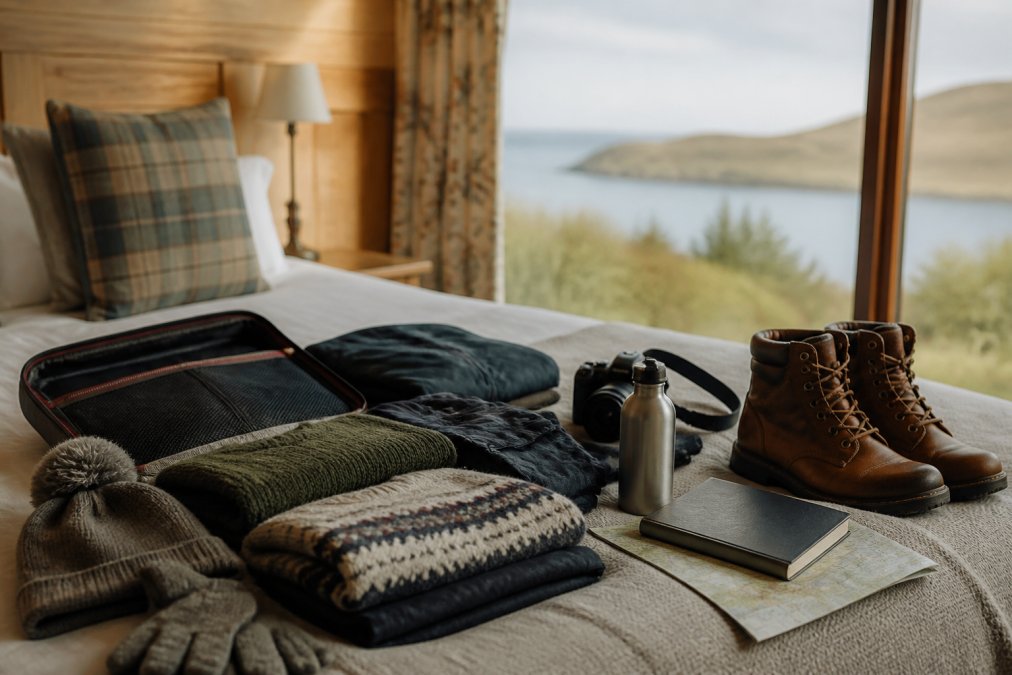
What to pack for a slow travel trip to Scotland starts with one principle: layers you can add and remove as the weather shifts. This guide from Skye Lodge covers exactly that, because Highland conditions can turn from still and sunny to horizontal rain within an hour, and a slow travel itinerary means you will be outdoors far longer than a quick coach tour allows.
The key insight is that you are not packing for a climate. You are packing for four climates in one day.
Base Layers That Breathe
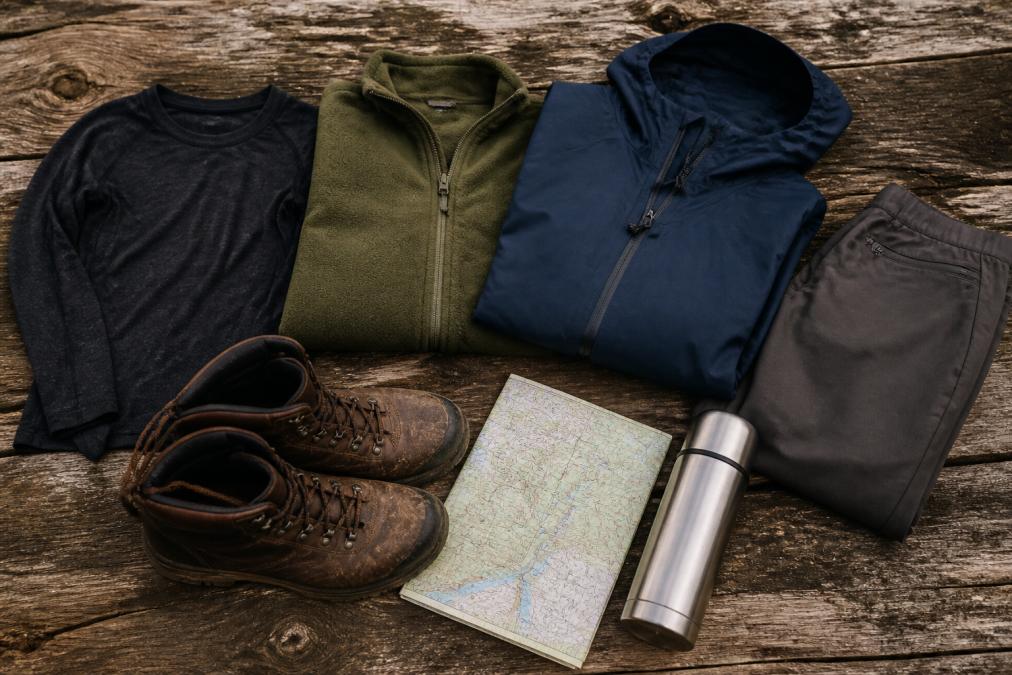
Merino wool beats cotton every time. Cotton holds moisture against your skin, and once it is wet in a Highland wind you will feel cold within minutes. Pack two or three merino base layers, short-sleeved for milder days and long-sleeved for spring and autumn.
Synthetics work as a backup and dry faster, but they hold odour. For a week of slow travel with limited laundry, merino is the practical choice.
Mid-Layers and Outer Shells
Your mid-layer provides warmth; your shell keeps the weather out. A fleece or light down jacket handles the first job. A waterproof, windproof shell with taped seams handles the second.
One honest limitation: no jacket is truly breathable in sustained rain. Accept that you will feel damp from the inside on a long walk, and prioritise drying speed over perfect comfort. For more on preparing for changeable conditions, see VisitScotland's advice on weather and clothing.
Essential Gear for Highland Hiking and Walking
Essential gear for highland hiking comes down to two things: footwear that grips wet rock, and a daypack that keeps your kit dry. Everything else is detail.
Footwear for Wet, Rocky Terrain
Waterproof walking boots with ankle support are non-negotiable on the Cuillin foothills and the path to Neist Point. Trail shoes suit gentler low-level walks but struggle on boggy ground.
A common mistake is buying boots the week before you travel. Break them in over several weeks, or you will spend your holiday managing blisters.
Daypack Essentials and Midge Protection
Your daypack should carry water, a spare layer, a packed lunch, a map and a compass. Midge protection matters more than most first-timers expect. Midges are at their worst on still, damp evenings from late spring through late summer, so pack a head net and repellent even if the daytime forecast looks clear.
Scottish Highlands Travel: Documents, Tech and Toiletries
Scottish Highlands travel packing for documents is straightforward for domestic visitors and more involved for international guests. Carry photo ID, your driving licence if you plan to hire a car, and any booking confirmations printed or saved offline, since mobile signal is patchy across much of the island.
Tech essentials: a power bank, a universal adaptor for overseas visitors, and a waterproof phone case. Download offline maps before you leave, because coverage disappears on the road to Neist Point.
Toiletries should be travel-sized and refillable. Pharmacies are limited on the island, so bring any prescription medication in its original packaging with a copy of your prescription. For guidance on travelling with medicines, check NHS advice on travelling with medicines.
Building a Capsule Wardrobe for a Week of Slow Travel
A capsule wardrobe for a week of slow travel is built around three colours that mix freely, so every top works with every bottom. This cuts your bag weight and means less time deciding what to wear.
| Category | What to Pack | Quantity |
|---|---|---|
| Base layers | Merino short and long sleeve | 3 |
| Mid-layers | Fleece, light down jacket | 2 |
| Outer shell | Waterproof jacket and trousers | 1 each |
| Footwear | Broken-in boots, comfy shoes | 1 pair each |
| Extras | Hat, gloves, buff, head net | 1 each |
Pack for one week regardless of trip length, and plan to wash base layers by hand. Most slow travellers find this far easier than hauling a heavy case.
Season-by-Season Packing Adjustments
Season shapes what you add to the core list rather than replacing it. The same layering system works year-round; only the weight and warmth change.
- Spring: Add a warmer mid-layer and gloves. Snow can linger on high ground into April.
- Summer: Lighter base layers, but keep the waterproof shell. Midges peak now.
- Autumn: Heavier fleece, hat and gloves return. Daylight shortens quickly.
- Winter: Insulated jacket, thermal base layers, and check daylight hours before planning walks.
At Skye Lodge, we suggest guests plan their day around sunrise and sunset hours, since the light on the west coast is the reason many people come. Our team is always happy to advise on what the current season demands.
Common Packing Mistakes to Avoid
The biggest packing mistakes on a slow travel trip come from underestimating distance and weather, not from forgetting items. Three stand out.
First, packing for one climate. Highland weather changes fast, and a single jacket will not cover a full day outdoors. Second, overpacking formal clothing. Slow travel here is relaxed, and you will rarely need more than one smarter outfit for dining out. Third, leaving restaurant bookings until you arrive. Local restaurants are excellent but small, so book ahead, and ask your accommodation for recommendations and backup options.
Packing well for a slow travel trip is really about trusting the weather to change and preparing for it calmly. If you would rather spend your time exploring than managing your kit, Skye Lodge offers handmade beds, ensuite rooms and a gourmet breakfast made with locally sourced ingredients, all within easy reach of Dunvegan Castle, Neist Point and the Cuillin mountains. With bespoke hospitality from owners Claire and Douglas and a peaceful base for groups of four to ten, it is built for exactly this kind of unhurried travel. Make a reservation with Skye Lodge and let the island set your pace.
Frequently Asked Questions
What is the best way to dress for unpredictable weather in the Highlands?
Pack in three layers you can add or remove quickly. A moisture-wicking base layer sits against your skin, a fleece or wool mid-layer traps warmth, and a waterproof, windproof outer shell handles rain and gusts. Temperatures can shift several degrees within an hour, so having all three layers accessible in your daypack matters more than any single item. Avoid cotton next to your skin; it stays damp and chills you once you stop moving.
Do I need specific footwear for walking near the Cuillin mountains?
Yes. Waterproof hiking boots with ankle support and deep tread are essential for the Cuillin terrain, which mixes loose scree, boggy ground and slick rock. Trainers do not grip well enough on wet basalt and offer no ankle protection on uneven paths. Break boots in before you travel. Pack two pairs of wool or synthetic hiking socks so you always have a dry pair, and consider gaiters for boggy sections after rain.
How do I pack light for a luxury lodge stay?
Choose a capsule wardrobe built around two or three colours so everything mixes. Most lodges provide hairdryers and quality toiletries, so leave those at home. Bring one smart-casual outfit for dining and one set of comfortable layers for exploring. Laundry facilities or hand-washing in a basin handle mid-trip refresh. A soft holdall or medium suitcase fits lodge rooms better than a large hard-shell case.
What should I include in a capsule wardrobe for a week-long slow travel trip?
Aim for five tops, two pairs of trousers, one fleece, one waterproof shell, one smart-casual outfit, and enough underwear and socks for four days with a mid-trip wash. Add a warm hat, gloves and a scarf from October to April. Neutral colours like navy, grey and olive work across every setting from a coastal walk to dinner. This approach fits in a carry-on and leaves room for locally made textiles or crafts you may want to bring home.