 how-to
How to Coordinate a Private Chef for Large Groups
Table of Contents
- Understanding Private Chef Services for Large Groups
- Step 1: Define Your Event and Guest Count
- Step 2: Answer Key Private Chef Booking Questions
- Step 3: Plan Your Group Dinner Menu
- Step 4: Communicate Private Chef Dietary Requirements
- Step 5: Use a Private Chef Event Checklist
- Step 6: Confirm Kitchen Readiness and Service Logistics
- Frequently Asked Questions
Last Updated: October 15, 2026
Understanding Private Chef Services for Large Groups
Learning how to coordinate a private chef for large groups transforms how you host memorable celebrations and gatherings. A private chef brings professional meal preparation directly to your chosen venue, handling everything from menu design to plated service. This service works well for milestone celebrations, family reunions, corporate events, and intimate dinner parties where you want restaurant-quality food without leaving your location.
The appeal is clear: your guests enjoy gourmet dining while you focus on hosting. The private chef manages kitchen logistics, food safety, and service timing. This approach eliminates the stress of cooking for crowds and ensures every guest feels welcomed with thoughtfully prepared meals.
At Skye Lodge, we understand the coordination required to make private dining memorable. Whether you're planning an intimate gathering of eight or a larger celebration, the fundamentals remain consistent: clear communication, advance planning, and attention to detail.
Step 1: Define Your Event and Guest Count
Your first decision shapes everything that follows. Start by answering these core questions about your private dining experience:
What type of occasion are you hosting?
- Milestone celebrations (anniversaries, birthdays, retirements)
- Family reunions or small group gatherings
- Corporate team-building events
- Social events with close friends
How many guests will attend? Guest count directly affects menu choices, service style, and kitchen requirements. Understanding how to coordinate a private chef for large groups means knowing they typically handle 8 to 30+ people, though coordination methods shift at different thresholds. Groups of 8-12 work well with plated service. Larger groups often benefit from buffet-style or family-style service, which simplifies logistics.
When and where will you dine? Lock in your date and location early. Your venue's kitchen facilities and dining space shape what the private chef can deliver. A home with a full kitchen offers different options than a lodge with basic equipment or an outdoor setting requiring portable solutions.
Step 2: Answer Key Private Chef Booking Questions
Before you reach out to potential chefs, clarify what you need. These private chef booking questions simplify the conversation and help you find the right match.
What is your budget range? Pricing depends on guest count, menu complexity, dietary needs, and location. Rather than guessing, research local private chefs and ask for quotes based on your specific event.
Do you need the chef to provide equipment or ingredients? Some private chefs bring portable equipment for outdoor events. Others work exclusively in established kitchens.
Will the chef handle service and cleanup? Some private chefs cook only and depart after plating. Others stay to oversee service, refill glasses, and manage cleanup.
How experienced is the chef with large groups? Ask about their experience with events your size. A chef comfortable with intimate dinners for six may feel overwhelmed managing a celebration for twenty. Request references from similar events.
What's the cancellation or change policy? Understand what happens if your guest count shifts or you need to reschedule. Clear policies prevent misunderstandings later.
| Question | Why It Matters | What to Ask |
|---|---|---|
| Budget range | Determines menu complexity and service level | "What does pricing include?" |
| Equipment needs | Affects kitchen readiness and logistics | "What equipment do you require?" |
| Service scope | Clarifies chef responsibilities | "Do you handle service and cleanup?" |
| Group experience | Ensures capability for your event size | "How many people have you cooked for?" |
| Cancellation terms | Protects both parties | "What's your change/cancellation policy?" |
Step 3: Plan Your Group Dinner Menu
A strong menu balances flavour, dietary variety, and kitchen feasibility. The private chef typically leads this conversation, but your input shapes the final result.
Consider your guests' preferences and dietary needs. Ask guests about allergies, dietary restrictions, and strong dislikes before finalising the menu. This prevents last-minute surprises and ensures everyone enjoys the meal.
Choose a menu format suited to your group size.
For groups of 8-12, plated service works beautifully. Each course arrives individually, creating a restaurant-like experience. The chef controls timing and presentation.
For larger groups, buffet-style or family-style service simplifies logistics. Guests serve themselves or share dishes passed around the table. This format works well for casual celebrations and reduces the number of courses the chef must coordinate simultaneously.
Select dishes that cook ahead when possible. Soups, sauces, and braised dishes improve with time. Dishes prepared in advance reduce kitchen stress on the day itself. Ask your chef which menu items can be prepped early.
Balance complexity with feasibility. A menu with five courses and six components per course strains even experienced chefs. Simpler menus executed well impress more than ambitious ones rushed to completion.
Step 4: Communicate Private Chef Dietary Requirements
Dietary needs require clear, detailed communication. Vague requests like "vegetarian" or "no nuts" leave room for error. Provide specifics.
Gather complete dietary information from each guest. Create a simple form asking about:
- Allergies (severity and reaction type)
- Dietary restrictions (vegetarian, vegan, kosher, halal)
- Disliked foods or ingredients
- Medical conditions affecting diet
Share this information with the chef in writing. Don't rely on verbal communication alone. Provide a written list with guest names and specific requirements. The chef can then plan menu adaptations and verify ingredient sourcing.
Discuss how dietary needs shape the menu. Some chefs design a single menu that accommodates all restrictions. Others create multiple versions. Clarify the approach before finalising dishes.
Confirm ingredient sourcing and preparation. Ask whether the chef sources from specific suppliers for allergen-free or specialty ingredients. Understand how they prevent cross-contamination in the kitchen.
Verify labelling and communication on the day. Ensure the chef clearly identifies which dishes suit which dietary needs. This prevents guests from accidentally consuming unsuitable foods.
Step 5: Use a Private Chef Event Checklist
A structured checklist keeps coordination on track and prevents overlooked details. The timeline below reflects a common pattern for large-group bookings: most private chefs need four to six weeks' notice, and popular dates in peak season can be held for several weeks earlier. Adapt the lead times to your chef's availability and your venue's booking terms.
8-10 weeks before:
- Confirm date, location, and provisional guest count
- Research and contact potential private chefs, asking about large-group experience
- Request quotes and check availability for your date
- Check your venue's booking and cancellation terms before committing
6-8 weeks before:
- Book your preferred chef and pay any deposit to secure the date
- Send guests a dietary requirements form (allergies, restrictions, dislikes)
- Confirm kitchen facilities, equipment, and access arrangements with the venue
- Agree the service style (plated, family-style, buffet, or stations) based on group size
4-6 weeks before:
- Finalise the menu with the chef, including adaptations for dietary needs
- Confirm whether the chef supplies equipment, ingredients, or both
- Arrange additional staffing (servers, kitchen assistants, bartenders) if required
- Agree a final headcount deadline, typically 7-10 days before the event
2-4 weeks before:
- Confirm the final guest count and pass it to the chef in writing
- Verify dietary accommodations and cross-contamination controls
- Arrange table setup, seating plan, and décor
- Plan parking, guest arrival, and unloading access for the chef's vehicle
1 week before:
- Confirm arrival time, setup window, and course timings with the chef
- Brief any additional staff on their responsibilities and the service sequence
- Arrange final ingredient deliveries or collection if the chef is not sourcing everything
- Confirm contingency plans for late guests, cancellations, or allergic reactions
Day before:
- Deep clean the kitchen and dining areas
- Set the table and arrange décor
- Test all equipment, oven, hob, refrigeration, and power sockets
- Chill drinks and confirm refrigeration space for prepared components
Day of event:
- Greet the chef on arrival and walk through the setup together
- Confirm the service sequence and any last-minute dietary notes
- Stay available for questions but let the chef lead the kitchen
- Enjoy the event, the coordination is done
Step 6: Confirm Kitchen Readiness and Service Logistics
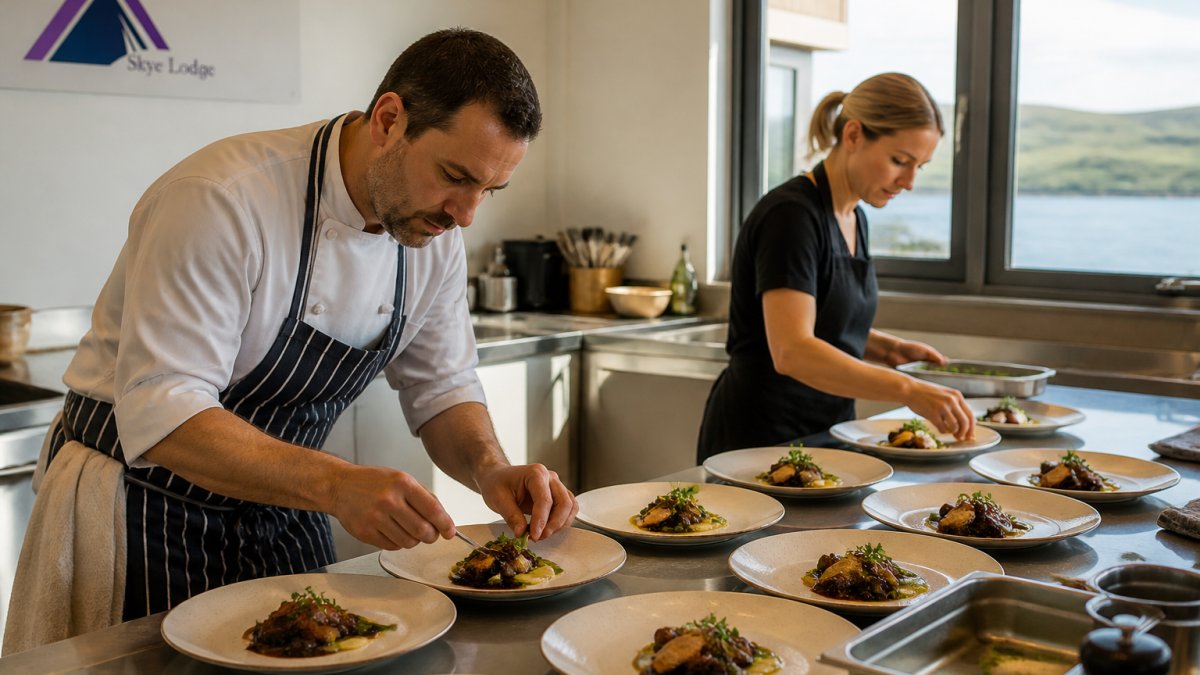
Your venue's kitchen and dining space must support the private chef's needs. Walk through the logistics with the chef at least two weeks before the event, using the checklist below.
Equipment and workspace checklist:
- Cooking capacity: Confirm the number of hobs, oven size, and whether a second oven or portable induction hob is needed for larger groups
- Counter space: Allow at least one metre of clear prep space per chef or assistant working simultaneously
- Refrigeration: Check available fridge and freezer space for raw ingredients, prepared components, and chilled dishes, large-group menus often need more than a domestic fridge provides
- Power: Verify socket locations and total load; commercial equipment may require dedicated circuits, and extension leads should not be relied on for high-draw appliances
- Water and drainage: Confirm a working sink for food prep and cleaning, with hot water available
- Waste: Arrange bins for food waste and recycling, and agree who clears them during and after service
- Small equipment: Ask whether the chef needs specific pans, trays, blenders, or serving platters that your venue may not stock
Access and unloading: Confirm the chef can park close to the kitchen entrance and unload ingredients and equipment without a long carry. Provide clear directions, gate codes, and any parking restrictions.
Off-site and temporary kitchen arrangements: If your venue lacks a full kitchen, a marquee, village hall, or outdoor setting, discuss off-site preparation.
Service flow and staffing: Plan the path dishes travel from kitchen to dining area.
Timing and course pacing: Clarify when the chef arrives, when cooking begins, and when each course is served.
Contingency planning: Discuss what happens if a guest arrives late, if someone has an allergic reaction, or if a dish does not turn out as planned.
Frequently Asked Questions
How far in advance should you book a private chef for a large group?
Book your private chef 4-8 weeks ahead for groups of 10 or more. This allows time to discuss your occasion, dietary needs, and menu preferences. For smaller groups or flexible dates, 2-3 weeks may suffice. Booking early also ensures your preferred chef and dining date are available, and gives the chef time to source quality local ingredients for your group dinner menu.
What information should you give a private chef before an event?
Provide your guest count, date, time, venue location, and any kitchen limitations. Share your occasion (celebration, social event, intimate gathering), preferred dining style (plated service, family-style, or buffet), and any dietary requirements or food allergies. Clarify whether you want a custom menu or chef-designed options. Mention if guests have specific preferences, and confirm whether the chef will handle setup, service, and cleanup.
How do you plan a menu for a group with different dietary requirements?
Collect dietary information from all guests early, allergies, vegetarian, vegan, gluten-free, or other restrictions. Share this list with your private chef at least 3 weeks before the event. Ask the chef to design a cohesive menu where adaptable dishes work for everyone, rather than separate meals. For example, a plated main course with vegetable and protein options, or a family-style spread with clearly labelled components. Confirm all substitutions and preparation methods to ensure food safety.
What should you check in a kitchen before hiring a private chef?
Inspect oven capacity, hob functionality, refrigerator and freezer space, and essential equipment like pans, knives, and utensils. Ensure adequate counter space for prep and plating. Check water pressure, gas supply, and electrical outlets. Confirm waste disposal and cleaning facilities. If your venue is limited, discuss what the chef can bring or arrange. Many private chefs work around modest kitchens, but clarity upfront prevents service delays and ensures your large group experience runs smoothly.