 Listicle
Eco-Friendly Accommodation on Skye: A Thoughtful Guide to Greener Stays
Last Updated: November 12, 2026
Quick Summary
Eco-friendly accommodation on Skye ranges from small hosted B&Bs to self-catering cabins, bell tents and eco houses, each reducing impact through named measures such as locally sourced breakfasts, recycling and compost toilets, wood heating or a self-catering kitchen that cuts car trips. We judged every stay on what it actually does, not what it calls itself, and flagged what you should confirm with the owner before booking.
- We scored each property on named measures, location logic, honest scale, guest feedback and questions worth asking owners.
- Skye Lodge hosts individuals or exclusive groups of 4 to 10 near Dunvegan, with handmade beds and en-suite rooms.
- Skye Eco Bells offers bell tents with recycling and compost toilets for waste-conscious glampers.
- Add 20 minutes to every hour of Highland driving to burn less fuel and less stress.
- Ferry and bus timetables for car-free trips are seasonal, so check the operator's own timetable for your dates.
Table of Contents
- Why Eco-Friendly Accommodation on Skye Matters
- How We Assessed These Eco-Friendly Places to Stay on the Isle of Skye
- 1. Skye Lodge: A Small, Eco-Friendly B&B on Skye
- 2. Skye Eco Bells Glamping: Waste-Conscious Bell Tents
- 3. Selkie: A Remote, Eco-Conscious Self-Catering Cabin
- 4. Skye Cottage - Vegan and Eco: A Holiday Home in Bernisdale
- 5. The Lookout Skye: An Eco House with a Wood-Burning Stove
- Responsible Travel Tips for Skye: Reducing Your Impact on the Island
- Frequently Asked Questions
Why Eco-Friendly Accommodation on Skye Matters
Eco-friendly accommodation is lodging that reduces its environmental impact through how it handles energy, waste, water and food, while still giving guests a comfortable stay. On Skye, that matters more than most visitors realise. The island's landscapes draw people here, and the way we host them shapes whether those landscapes stay worth visiting.
The island's visitor numbers have grown while its single-track roads, fragile moorland and shoreline stay the same size. That tension is the heart of this guide. Greener choices are not about deprivation. They are about keeping the Skye experience intact for the next guest.
If you are weighing up different styles of stay, our piece on whether self-catering is more sustainable than hotel stays digs into the environmental trade-offs in more detail.
How We Assessed These Eco-Friendly Places to Stay on the Isle of Skye
We judged every eco-friendly place to stay on the Isle of Skye against four practical criteria: what the property actually does (not just what it calls itself), how independently a guest can verify those claims, how well the stay fits a lower-carbon trip, and whether the hospitality is genuinely warm. A label alone earns nothing.
Most guides list green features without saying how they checked them. We do the opposite: here is the method, so you can repeat it yourself before you book.
What we checked, and where. For each stay we reviewed the property's own website and booking page, its listing text, and recent guest reviews on Google, Freetobook and TripAdvisor. We looked for named measures rather than adjectives: a stated heating source, a named waste or water system, a published local-sourcing policy, or a self-catering kitchen that reduces car trips. Where a listing used a general phrase such as "eco-conscious" without naming a measure, we treated it as unverified and said so in the entry.
How we scored each stay. Each property was rated against five questions:
- Named measures: does the listing name a specific practice, recycling, compost toilets, wood heating, or self-catering that cuts food waste and car trips, rather than a vague claim?
- Location logic: can you reach walks, dining and sights without long drives, and is there a realistic car-free or low-mileage option?
- Honest scale: small properties generally use less energy per guest than large ones, so we noted capacity and whether the stay is hosted or self-contained.
- Guest feedback: do reviews on Google, Freetobook and TripAdvisor mention care, cleanliness and comfort, and do they corroborate the green claims?
- Ask directly: owners will tell you what they do if you ask before booking, so we flagged the questions worth putting to each property.
What we could not verify. Several listings do not publish rates, availability or the specific measures behind their eco description. We have not invented those details. Instead, each entry tells you what is missing and what to ask the owner, so you can close the gap yourself before you commit.
When this was checked. The assessments in this guide reflect the listings and reviews available as of November 2026. Eco claims and facilities change, so treat the date as a prompt to re-check the property's own page before booking, particularly for measures that matter most to you.
The table below summarises the stays covered in this guide.
| Stay | Style | Standout eco feature | Best for |
|---|---|---|---|
| Skye Lodge | Small B&B | Locally sourced breakfasts, small scale | Couples and small groups wanting hosted comfort |
| Skye Eco Bells | Bell tents | Recycling and compost toilets | Waste-conscious glampers |
| Selkie | Self-catering cabin | Eco-conscious build, remote setting | Independent, low-trip stays |
| Skye Cottage - Vegan and Eco | Holiday home | Vegan and eco ethos, garden | Small parties, one bedroom |
| The Lookout Skye | Eco house | Wood-burning stove | Cosy off-grid-style breaks |
A note on what this guide is not. It is not a certification scheme, and we have not audited any property's energy or waste data. It is a practical filter: it separates stays that name real measures from those that rely on a green adjective, and it tells you what to confirm before you book. That is more useful than a badge, because it puts the decision, and the questions, in your hands.
1. Skye Lodge: A Small, Eco-Friendly B&B on Skye
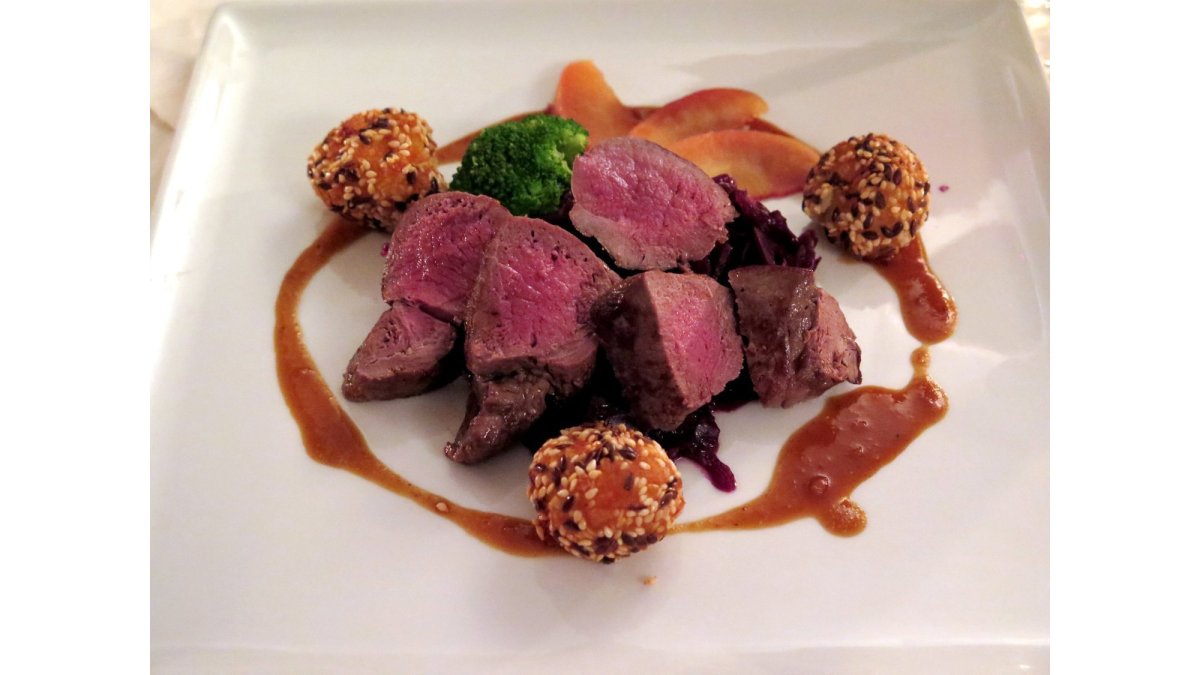
Our own lodge sits on the westerly coastline near Dunvegan. Every room has a handmade bed and an en-suite, and breakfast is freshly prepared from locally sourced ingredients.
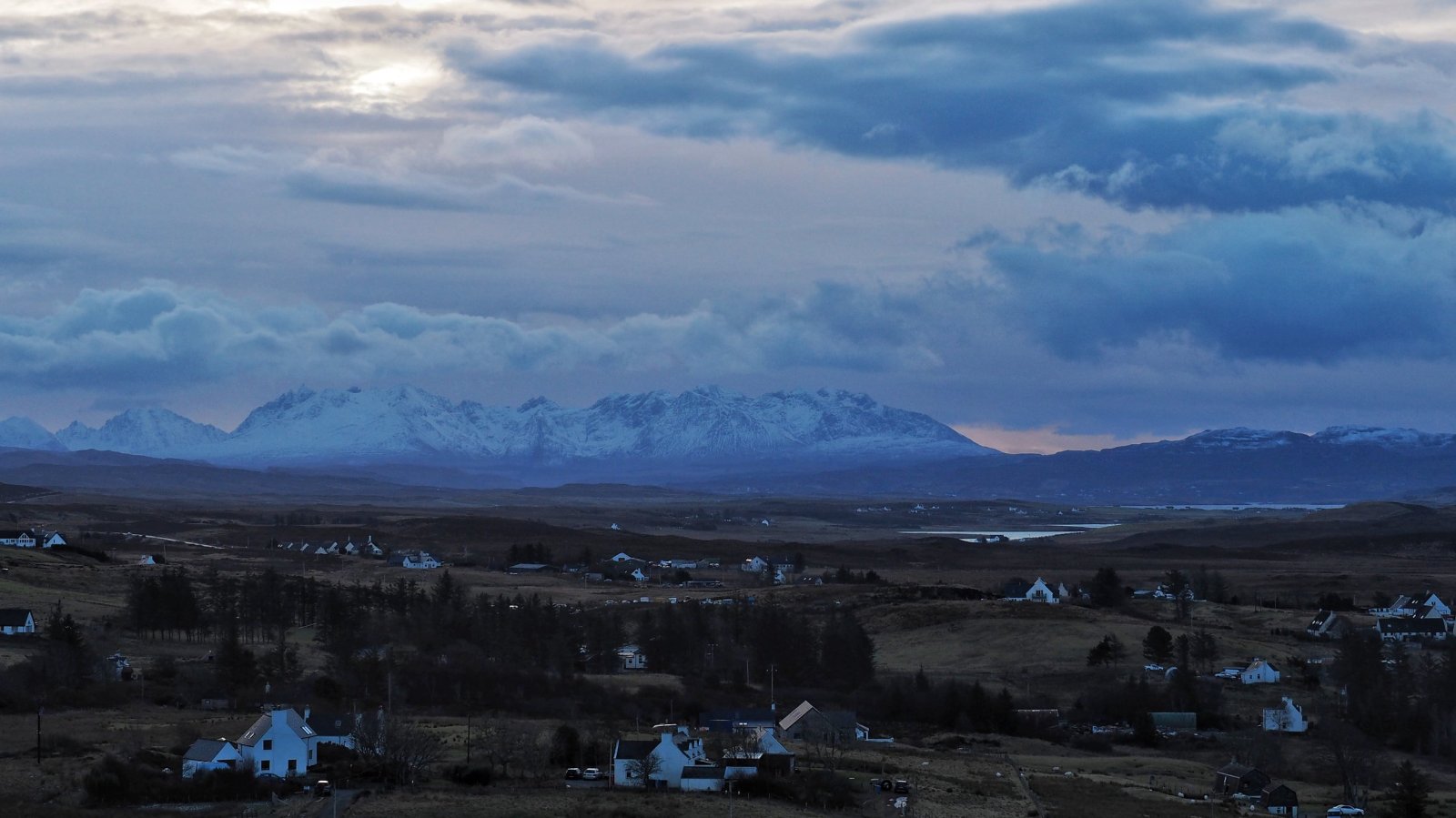
We host individuals or exclusive groups of 4 to 10. Owners Claire and Douglas offer personalised hospitality, including help with planning your stay.
Best for: couples and small groups who want a hosted, low-impact base near Dunvegan Castle and the Cuillin. Skip if: you want a large resort with extensive on-site facilities.
2. Skye Eco Bells Glamping: Waste-Conscious Bell Tents
Best for: waste-conscious glampers who want a back-to-nature night. Skip if: you need en-suite facilities or year-round warmth.
3. Selkie: A Remote, Eco-Conscious Self-Catering Cabin
Best for: independent travellers who want solitude and their own kitchen. Skip if: you would rather have breakfast cooked for you and company on tap.
4. Skye Cottage - Vegan and Eco: A Holiday Home in Bernisdale
Best for: a couple or small party wanting a self-contained base with outdoor space. Skip if: you need multiple bedrooms or a hosted stay.
5. The Lookout Skye: An Eco House with a Wood-Burning Stove
Best for: guests who want a warm, quiet house with a fire and a view. Skip if: you want hotel-style service or verified eco certification.
Responsible Travel Tips for Skye: Reducing Your Impact on the Island
How you get around is one of the biggest environmental decisions on any Skye trip. A car-free or low-mileage itinerary can make a real difference. Our guide to travelling to Skye by public transport shows how to reach the island and move around without a car.
Getting here without a car. Skye is reachable by train to Kyle of Lochalsh and then bus over the bridge, or by coach and ferry via Armadale. The trade-off is real: public transport on the island is limited, timetables are thin outside summer, and some of the best walks and viewpoints are not served at all. Plan around the routes that exist rather than assuming you can improvise.
Moving around once here. If you are driving, fewer, longer journeys tend to be better than many short ones. Basing yourself in one area can reduce how much you drive each day. Our guide to whether Dunvegan is a good base for hiking explains which walks start close to the village.
Once here, these responsible travel tips for Skye make a real difference:
-
Slow down. Add 20 minutes to every hour of Highland driving, as we advise our own guests, and you will burn less fuel and less stress. Our guide to single-track road driving techniques covers the passing-place etiquette that keeps traffic flowing.
-
Book restaurants ahead. A planned meal near your base avoids a wasted cross-island drive, and our guide to lunch and dining options near Dunvegan keeps the choice local.
-
Photograph responsibly. Our responsible photography rules for the Isle of Skye cover how to capture the landscape without damaging it.
-
Stay longer. A longer stay gives you more time to explore without rushing between places.
Watch out: the ferry and bus timetables that make a car-free trip possible are seasonal, and a route that works in July may not run in November. Check the operator's own timetable for your dates before you build an itinerary around it.
Frequently Asked Questions
What makes accommodation eco-friendly?
Eco-friendly accommodation reduces its environmental impact through practical measures such as recycling, composting, energy-efficient heating, and sourcing food locally. At a small guest house, owners who know the local area can help guests plan their travel. When booking, ask providers directly what they do in practice rather than relying on a label alone.
Where can you find eco-friendly accommodation on Skye?
Eco-friendly accommodation on Skye is spread across the island. Glamping sites with compost toilets and recycling facilities tend to sit in quieter rural spots, while self-catering cabins and eco houses offer independence for longer stays. Small guest houses and B&Bs, such as Skye Lodge near Dunvegan, combine a lower-impact scale with home-cooked, locally sourced breakfasts. Look for properties that describe specific measures rather than vague green claims.
Are there eco-friendly places to stay near Dunvegan?
Dunvegan and the surrounding westerly coastline are a good area to look for small guest houses and self-catering cottages. Staying near Dunvegan also shortens drives to landmarks such as Dunvegan Castle and Neist Point, which cuts fuel use compared with touring from a distant base. Ask each property what they recycle, how they heat the building, and whether they source food locally before you book.
How can I reduce my environmental impact while staying on Skye?
Plan fewer, longer stays rather than hopping between bases, which reduces driving. Add 20 minutes to every hour of travel on highland roads so you are not rushed into unnecessary journeys. Carry a refillable bottle, use recycling points where provided, and book restaurants in advance to avoid wasted trips. Choosing a small guest house with locally sourced breakfasts also keeps more spending within the island economy.
Is a small guest house a more sustainable choice than a large hotel?
A small guest house often uses less energy per stay because there are fewer rooms to heat and light, and owners can adjust to actual occupancy. Breakfasts made with local ingredients reduce food miles, and personal recommendations can help guests plan efficient routes. That said, the scale of the property is only one factor. Ask about heating, recycling, and food sourcing to judge how genuinely eco-friendly a stay is.