 How-to
9 Responsible Photography Rules for the Isle of Skye
Last Updated: November 5, 2026
Quick Summary
Responsible photography isle of skye means keeping your distance from wildlife, staying on marked paths at viewpoints like the Old Man of Storr and Quiraing, parking only in designated car parks, and respecting private land and crofts. If an animal changes its behaviour because of you, you are too close, so back away and use a longer lens.
- Arrive early at the Old Man of Storr and keep to the marked trail to protect the hillside.
- Set up well back from loose cliff edges at Neist Point and Elgol, especially in wind.
- Never bait, call or chase wildlife, and never fly a drone near a nesting colony.
- Use single-track passing places only to let traffic by, never as parking spaces.
- Check current Civil Aviation Authority drone rules and ask landowners before flying over working land.
Table of Contents
- What Responsible Photography on the Isle of Skye Actually Means
- Responsible Landscape Photography at Skye's Famous Viewpoints
- Wildlife Photography Ethics: Keeping Your Distance
- The Best Time for Photography on Skye
- Photography Weather Preparation for Changing Highland Conditions
- Parking, Access and Considerate Use of Single-Track Roads
- Drone Use, Land Access and Local Permissions
- Planning Your Photography Days from Skye Lodge
- Frequently Asked Questions
What Responsible Photography on the Isle of Skye Actually Means
Responsible photography isle of skye is the practice of capturing the island's landscapes and wildlife without harming the places, animals or communities that make those images possible. It comes down to four habits: keep your distance, park with care, respect private land, and leave every viewpoint exactly as you found it.
The island's reputation draws crowds to a handful of fragile places. A single thoughtless step can damage ground that takes time to recover. The right approach also tends to produce better photographs, as patience and care show in the frame.
Below, we walk through each rule, the famous viewpoints where it matters most, and how to plan a photography day around the weather and the light. If you are new to the camera altogether, our guide on how beginners can photograph the Isle of Skye is a good place to build confidence first.
Responsible Landscape Photography at Skye's Famous Viewpoints
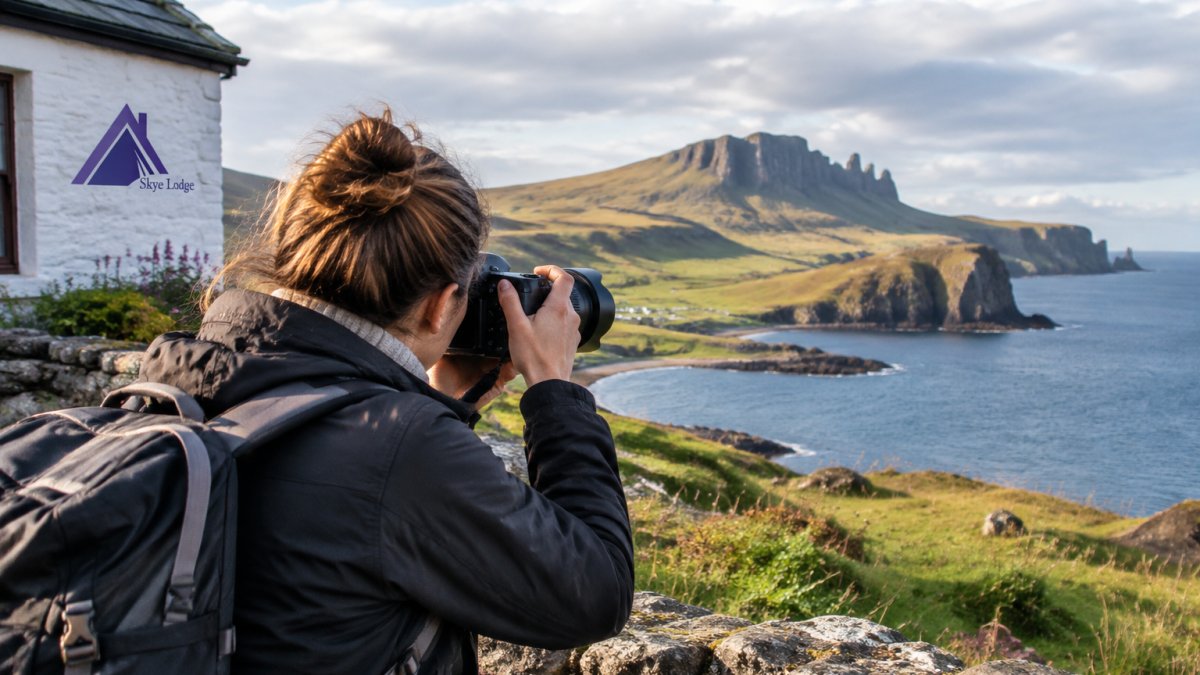
Responsible landscape photography means treating each viewpoint as a place someone lives and works, not a set. The Old Man of Storr, the Quiraing, Neist Point and Elgol are all popular viewpoints on the island. Stay on paths, keep groups small, and never move stones to build a foreground.
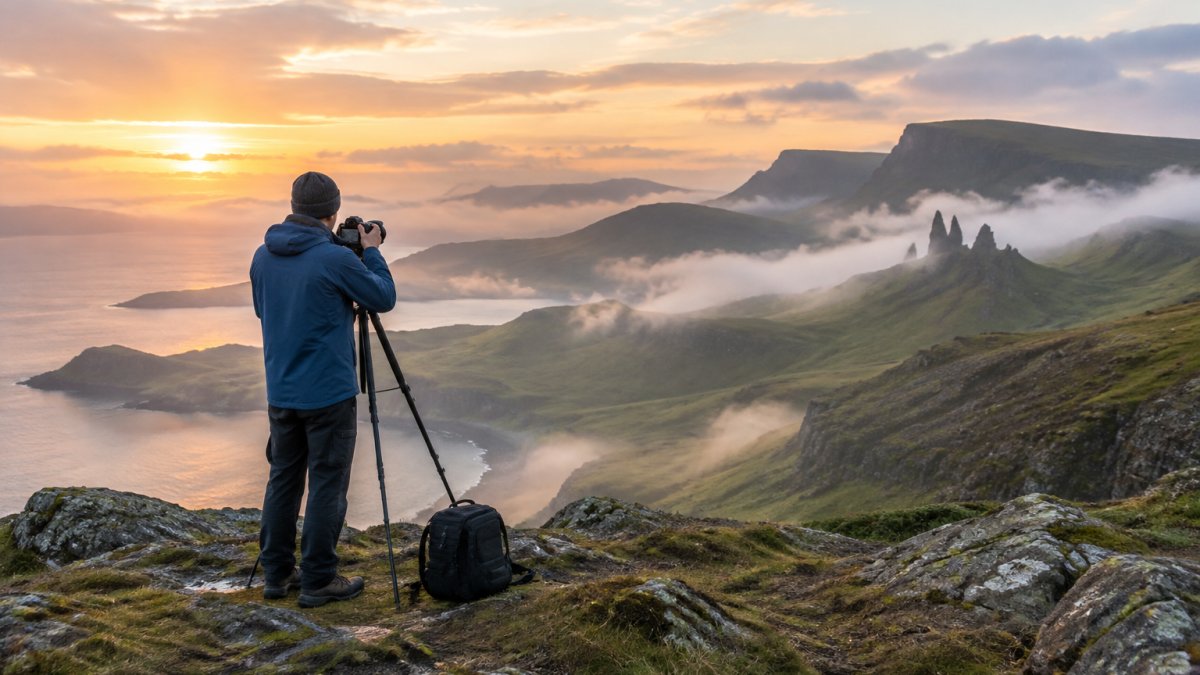
Old Man of Storr, Quiraing and the Trotternish Ridge
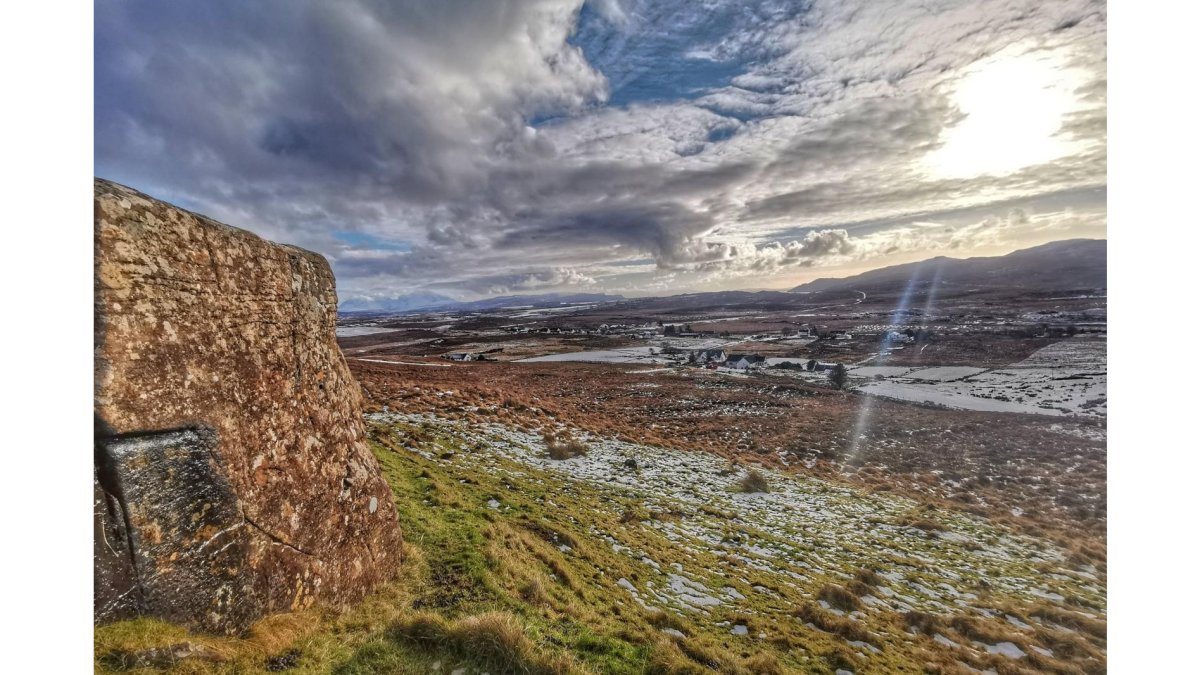
The Trotternish Ridge holds some of the island's most photographed shapes. At the Old Man of Storr, arriving early and keeping to the marked trail helps protect the hillside. For the Quiraing, going at first light and giving way to walkers coming the other way are sensible habits.
The Old Man of Storr trail map and hiking guide sets out the route and timing so you can plan an unhurried visit.
Neist Point, Elgol and the Coastal Edge
Neist Point and Elgol reward patience, but the cliff edges are loose and the ground is uneven. Set up well back from the lip, especially in wind. Never stand on the wrong side of a fence to get a cleaner composition. Our notes on how long to spend at Neist Point for photography help you plan a considerate visit.
For more locations to build an itinerary around, see our list of the best scenic photography spots on the Isle of Skye.
Wildlife Photography Ethics: Keeping Your Distance
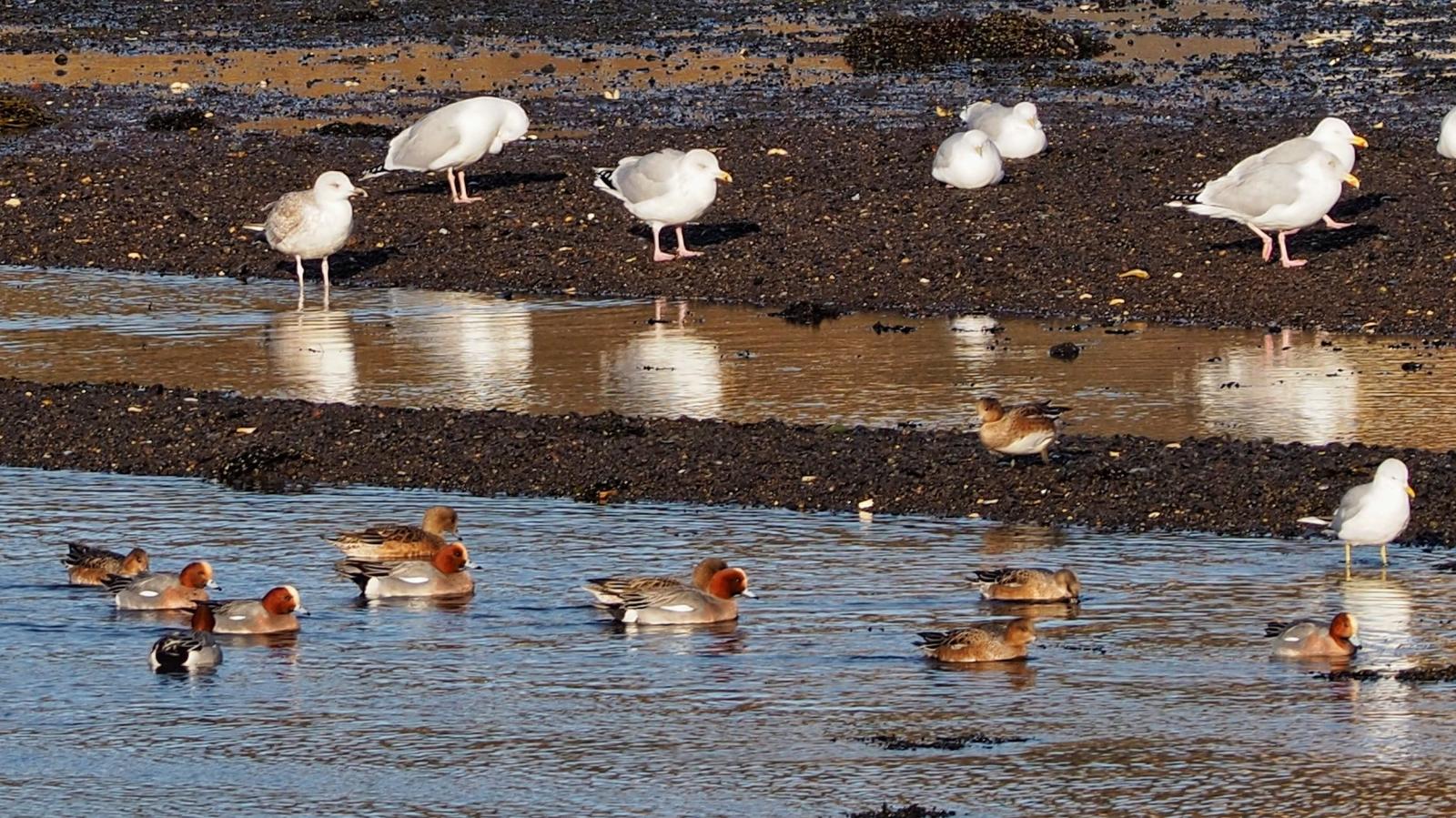
Wildlife photography ethics begin with one rule: the animal's behaviour matters more than your image. If a bird takes flight, a seal lifts its head, or a deer stops feeding, you are too close. Back away slowly and use a longer lens instead. The responsibility sits with the photographer to read the signs of disturbance.
Reading the signs of disturbance
A relaxed animal carries on feeding, grooming or resting. A disturbed one changes what it is doing because of you. Watch for a raised head, a stiffened posture, a bird shifting on the nest, or a seal sliding into the water. Those are your cues to stop, back off and reconsider the shot.
Nesting seasons and the law
In practice this means keeping to paths on cliff tops, not lingering above nesting ledges, and not flying a drone anywhere near a colony. If a bird is alarm-calling or dive-bombing, you are already too close, move away.
Never bait, never call, never chase
Baiting animals with food to draw them into frame, playing recordings to provoke a response, or chasing a subject for a better angle all cause stress and can change behaviour over time. They are not shortcuts to a better photograph; they are the opposite of responsible practice. The same applies to drones: never fly near wildlife, and never use a drone to push an animal into a more photogenic position.
Dogs and photography
If you are shooting with a dog, keep it on a lead around livestock and wildlife, and never let it swim towards seals or otters. A dog off the lead on a nesting beach can clear a colony in seconds.
The Best Time for Photography on Skye
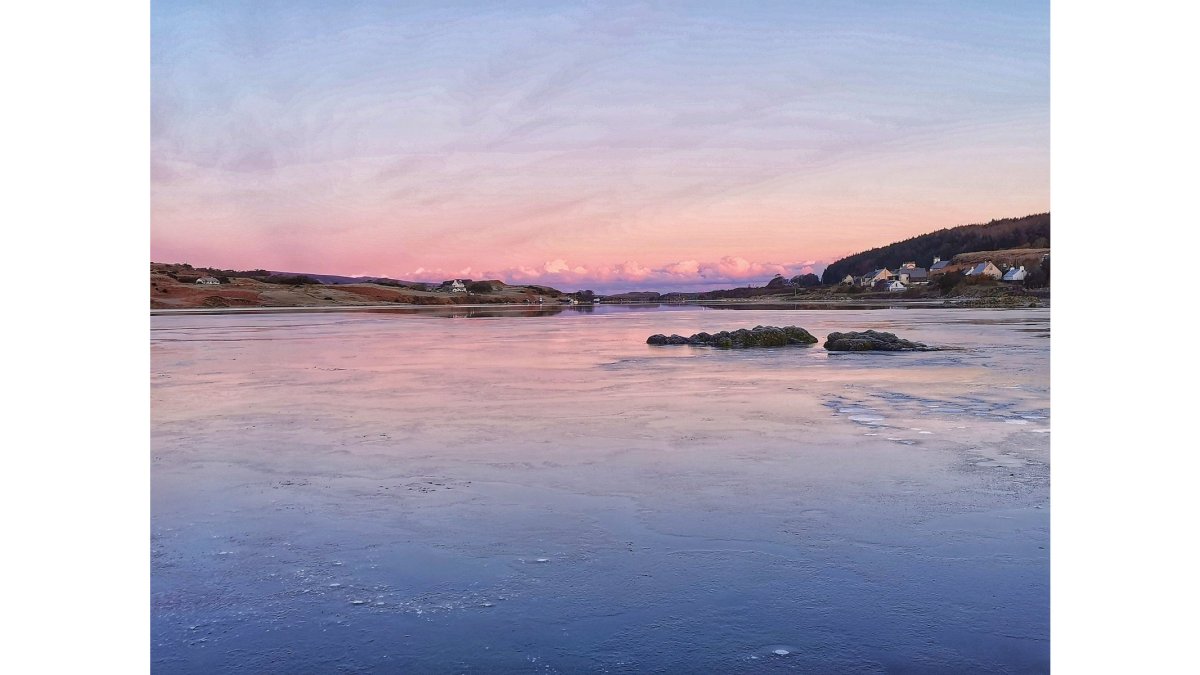
The best time for photography isle of skye offers is the hour around sunrise and the hour around sunset, when low light softens the hills and the sea. Midday light is harsh and flat. Plan your day around golden hour and blue hour, and allow for Highland weather changing the schedule.
- Before sunrise: empty car parks and still water
- Golden hour: warm light on the Quiraing and Trotternish
- Blue hour: long exposures at Neist Point and Elgol
- Storm days: dramatic cloud and fast-changing conditions
We always suggest guests pick one location for sunrise and one for sunset, then enjoy the hours between at a gentler pace.
Plan your shooting day around these light windows and conditions.
| Time or condition | What it offers |
|---|---|
| Before sunrise | Empty car parks and still water |
| Golden hour | Warm light on the Quiraing and Trotternish |
| Blue hour | Long exposures at Neist Point and Elgol |
| Storm days | Dramatic cloud and fast-changing conditions |
| Midday | Harsh and flat light |
Photography Weather Preparation for Changing Highland Conditions
Photography weather preparation on Skye means packing for four seasons in one day. Conditions change fast on the ridge and the coast. Waterproof layers, a rain cover for your bag, and a cloth for the lens are essential. Wind is the real challenge: a sturdy tripod and a low stance keep your camera steady.
Check the mountain weather forecast before you set out. Tell someone your route. In winter, daylight is short and paths can ice over. If the cloud comes down, turn back. The island will still be here tomorrow.
Parking, Access and Considerate Use of Single-Track Roads
Parking and access cause more friction on Skye than almost anything else. Single-track roads have passing places, and those passing places are not parking spaces. Pull fully into a designated car park, never block a gate, and never stop in the road for a photograph.
- Use passing places only to let traffic by
- Never park on verges or in field entrances
- Arrive early to secure a legal space at popular sites
- Add time to every journey for slow traffic and photo stops
Our guide to navigating the roads of the Isle of Skye covers single-track driving in more detail. It is worth reading before you set off.
Drone Use, Land Access and Local Permissions
Drone use on Skye is restricted, and land access depends on the good will of landowners and crofters. Fly only where you have permission, keep well away from people, wildlife and buildings, and follow the rules set by the UK Civil Aviation Authority. Never launch from a crowded viewpoint, and never assume that a quiet corner of moorland is fair game.
Drone rules to check before you pack
Drone rules in the United Kingdom are set by the Civil Aviation Authority and change from time to time, so check the current rules before you travel (Regulator calls on new and existing drone users to learn new rules before taking off).
Beyond the legal minimum, there are local considerations. Many landowners and crofters do not welcome drones over working land, and some popular sites have their own guidance. Privacy matters too: a drone over a garden, a holiday cottage or a working farm is intrusive even when it is legal. If you would not be comfortable with the same aircraft over your own home, do not fly it over someone else's.
- Check the current Civil Aviation Authority rules before you fly
- Never launch from a crowded viewpoint or car park
- Keep well clear of wildlife, livestock, people and buildings
- Ask the landowner or crofter before flying over working land
- Respect privacy around homes, cottages and farms
Land access and the right to roam
Access rights let you cross open land on foot, but they do not cover drones, vehicles or commercial shoots.
Crofts, livestock and working landscapes
Keep to paths and tracks, do not climb fences or walls, and give livestock a wide berth. Close gates behind you unless they are clearly meant to stay open, and never move stones or cut vegetation to build a foreground. If in doubt, ask. A polite request to a landowner goes a long way, and a refusal is final.
Commercial shoots and permissions
If you are shooting for a client, a publication or a stock library, commercial photography may need permission from the landowner. Plan ahead, ask early, and be prepared to be told no.
Watch out: a refusal from a landowner is final, and ignoring it can close access for everyone who follows.
Planning Your Photography Days from Skye Lodge
Planning your photography days from a comfortable base makes all the difference. At Skye Lodge, we help guests shape a realistic plan around the light, the weather and the driving times. Add twenty minutes to every hour on Highland roads, and book your evening table in advance.
Our own advice is simple: slow down. Two well-chosen locations in a day beat six rushed ones. After an early start, return for a gourmet breakfast and a rest before the evening light. The handmade beds and quiet loch views make early starts easier. Ask us about routes, tides and the best dining nearby, and we are happy to share local knowledge.
Frequently Asked Questions
How can I photograph the Isle of Skye responsibly?
Start by planning around the light rather than the crowds: arrive early, leave no trace, and stay on established paths even when a foreground rock looks tempting. Keep a respectful distance from wildlife, never block a passing place or viewpoint, and check access and drone rules before you set out. Photography on the Isle of Skye works best when you treat each location as somewhere people live and work, not just a backdrop.
What should photographers know about access and parking on Skye?
Most parking near the big viewpoints is limited, so arrive before mid-morning or come back in the evening. Use marked car parks and passing places only for passing, never for parking. Single-track roads need care: pull in to let oncoming traffic through and allow extra time for every journey. If a car park is full, move on rather than parking on verges, which damages ground and blocks access for residents and emergency vehicles.
What is the best time for photography on Skye?
The best time for photography on Skye is the hour either side of sunrise and sunset, when the light is soft and the clouds often lift. Summer brings very long days, so a 4am start can be worth it for empty viewpoints. Winter offers short days but dramatic low light. Check a tide table for coastal spots like Elgol and Neist Point, and build in extra travel time because Highland roads take longer than the map suggests.
How should I prepare for changing weather when photographing Skye?
Photography weather preparation on Skye means layers, waterproofs and a rain cover for your bag, plus a microfibre cloth for the lens. Conditions change fast, so check a mountain forecast before you leave and be ready to turn back. Wind is the usual problem at exposed viewpoints, so weight your tripod and avoid standing on wet rock. If cloud closes in, use it: mist and moving light often make stronger images than clear skies.
The difference between a good photography trip and a great one is often the planning behind it. Let Skye Lodge take care of the rest: handmade beds for proper rest, en-suite rooms, and a gourmet breakfast before your dawn start. Get started with Skye Lodge and build a photography trip that respects the island and rewards your patience.